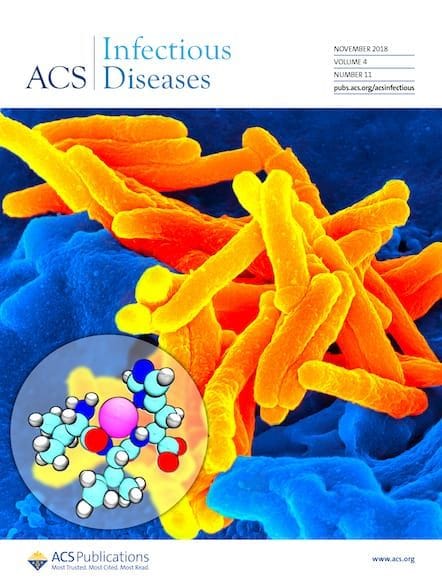
Learn more about each of the winners and gain insight into what inspires their research in these exclusive interviews.

The 2023 ACS Infectious Diseases Young Investigator Award recognizes three outstanding early career investigators conducting infectious disease research. The award honors the recipients’ contributions to the field of infectious disease research at an early stage in their careers.
We are pleased to announce the winners of the 2023 ACS Infectious Diseases Young Investigator Award:
Dylan Dodd, Stanford University School of Medicine, USA
Stavroula Hatzios, Yale University, USA
Laura-Isobel McCall, University of Oklahoma, USA
The awards will be presented at ACS Fall 2023 taking place in August in San Francisco, where the winners are invited to speak as part of the BIOL session. Learn more about each of the 2023 winners below.
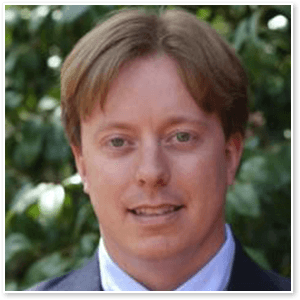
Meet Dylan Dodd
What inspired you to pursue your particular area of research?
I began my research career as a rumen microbiologist. The rumen of the cow is home to a large population of microbes that, through their metabolism, generate small molecules that serve as the primary energy source for the cow. When completing my residency, I worked in the clinical biochemical genetics lab, using metabolomics to study chemicals in humans. Surprisingly, I found that many of the most abundant molecules in human urine are actually microbial in origin. Biochemical geneticists have known about these microbial metabolites for decades, but they have largely been disregarded as unimportant for human biology. This inspired me to understand how microbial metabolism influences human physiology with the ultimate goal of developing new therapeutics.
What advances has your lab made in the past five years?
Our lab has uncovered the molecular mechanisms of how gut bacteria produce drug-like small molecules that enter circulation and influence human physiology. We have also recently found that microbial metabolism of uric acid in the gut compensates for the loss of uricase in humans. This has opened a new window into the pathophysiology of diseases such as hypertension and gout and has important therapeutic implications.
What’s next for your research?
Our lab is excited to translate our basic science discoveries into new safe therapies that harness microbial metabolism to control human biochemistry.
What advice would you give to students who aspire to be where you are now?
I have two pieces of advice: The first is to follow your passions and try to carve out a career that emphasizes your interests. That will lead to a much more satisfying work life. The second is to actively seek out mentorship and to foster those relationships. I have found that great mentors can have a tremendous impact on your life both in and outside of science.
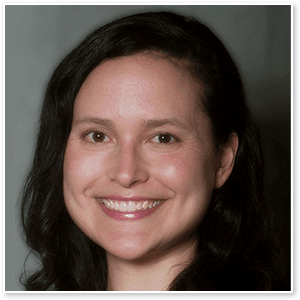
Meet Stavroula Hatzios
What inspired you to pursue your particular area of research?
Much of our research centers on the gastric bacterium Helicobacter pylori, a fascinating microbe found in half of the global population that is best known for its ability to cause peptic ulcers and gastric cancer. However, only a small percentage of people infected with H. pylori develop cancer; the majority of infected individuals remain asymptomatic, and there are indications that early exposure to H. pylori may even be beneficial to the host. This paradox is emblematic of the complex relationships that exist between the host and many other members of the gastrointestinal microbiota. Our ability to predict and control these interactions requires an understanding of the genetic and environmental factors that mediate symbiosis. Chemical biology provides unique opportunities to investigate how such factors shape host–microbe interactions at the molecular level.
What advances has your lab made in the past five years?
A major focus of my research program is understanding how bacterial and host cells adapt to oxidative stress during infection. Infection-induced oxidative stress contributes to numerous diseases including several cancers, but our knowledge of the oxidation events that shape disease development at the molecular level remains limited. My lab has developed chemical proteomic strategies to identify specific sites of protein oxidation in infected cells. In recent work, we identified an infection-induced oxidation site on a host protein that can regulate tumor growth. These findings support the novel hypothesis that protein oxidation is a significant yet underexplored component of host–microbe interactions that contributes to cancer pathogenesis. We have also developed reactivity-guided metabolomic approaches to identify metabolites that support microbial redox regulation. Through studies of H. pylori, we identified a widely conserved microbial transporter of the human dietary antioxidant ergothioneine that supports microbial redox homeostasis in the host.
What’s next for your research?
We are currently applying our tools to study molecular mechanisms of adaption to oxidative stress in vivo. We are also developing new methods and animal models to measure microbial import and metabolism of redox-active metabolites in the host and to study how these processes influence host physiology. Our long-term goal is to uncover redox-regulated pathways that could be targeted to improve the detection and treatment of diseases associated with infection-induced oxidative stress, such as gastric and colorectal cancers.
What advice would you give to students who aspire to be where you are now?
Surround yourself with people who challenge and inspire you. Also, carve out some time to pursue interests beyond the sciences that will broaden your perspective and foster creativity at the bench.
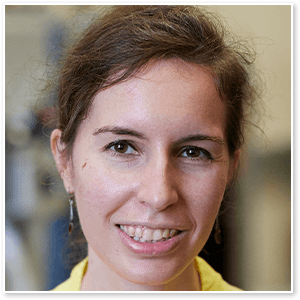
Meet Laura-Isobel McCall
What inspired you to pursue your particular area of research?
I’ve always been interested in the relationship between location and disease. If you look at all my research, a common thread is understanding why disease symptoms develop where they do, from a microbiological and chemical perspective. I also strongly believe in the power of academic research to make a tangible difference in our world. For me, this translates in a strong emphasis of my research group on understanding neglected tropical diseases. These are diseases that affect over a billion people worldwide, and yet are under-studied, with often few treatment options. By combining fundamental research into the pathogenesis of these diseases with translational research on drug and diagnostic test development, I hope that my group’s research findings will lead to real-world impact on how these conditions are diagnosed and treated. Lastly, I wouldn’t be where I am and able to ask these questions if it weren’t for mentors who have been so generous with their time, tools and techniques when I was an undergraduate, grad student and postdoc, and who continue to inspire me.
What advances has your lab made in the past five years?
My lab has focused on applying spatial metabolomics techniques (which I call “chemical cartography”) to understand the small molecule factors regulating the location of disease symptoms. This has mainly focused on Trypanosoma cruzi parasite infection, the causative agent of a neglected tropical disease caused Chagas disease. There are millions of people worldwide infected with T. cruzi. When they develop symptoms, these are highly localized to the heart (especially the heart apex), the oesophagus, and the colon. Understanding why symptoms develop in these locations is fundamental to define how Chagas disease develops and progresses, and to find new ways to diagnose and treat this condition. However, prior to my work, the factors that determined Chagas disease symptom location were not well understood. Using chemical cartography, I demonstrated that sites of Chagas disease present with worsening metabolic trajectories compared to uninfected samples, even as parasites get cleared away. In contrast, metabolism improves in sites that are not associated with Chagas disease symptoms, like the small intestine. By identifying the specific metabolic pathways affected by infection in these tissues, I identified carnitine as a new treatment for acute T. cruzi infection. Strikingly, it had a very unusual effect, preventing mortality in mouse models without reducing parasite load. Overall, this was a critical proof of the utility of chemical cartography to understand infectious disease localization and to help guide the development of new treatments for these conditions.
What’s next for your research?
Most of my lab’s “chemical cartography” work has focused on infection by Trypanosoma cruzi, a parasite that causes Chagas disease. I want to continue this emphasis on T. cruzi, but also broaden to other parasitic, viral and bacterial infections, to demonstrate the broader utility of chemical cartography in infectious diseases. I’m especially interested in using these tools to understand the metabolic drivers of post-infectious conditions and of clinical treatment failure (independent of drug resistance). I’m very excited about the great collaborations coming up to help us address these questions!
What advice would you give to students who aspire to be where you are now?
Try to find the joy in small successes in the lab. Persevere, and celebrate victories both great and small – that’ll keep you going in the hard times. Engage in team science and be a good collaborator. Be open to new opportunities.