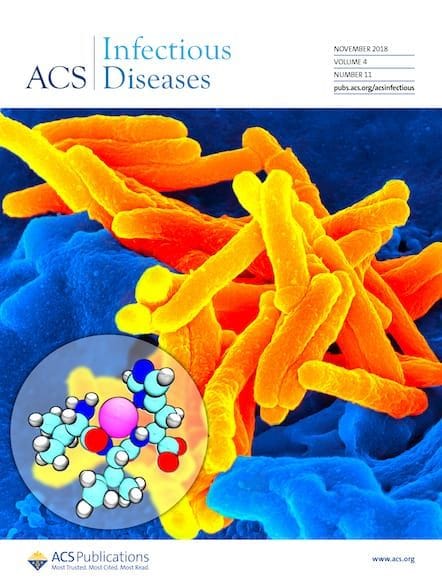
Learn about each of the newly appointed Early Career Board members and what they hope to bring to the journal.

ACS Infectious Diseases is excited to announce its inaugural Early Career Board (ECB). This group of 32 young researchers from across the globe represents a wide breadth of expertise in the field of infectious diseases.
The group as a whole will work closely with the Editor-in-Chief, Jayanta Haldar, and its Associate Editors to contribute to the vision of maintaining its position as an esteemed and highly regarded journal in the field and appealing to a diverse authorship and readership. Take some time to learn more about each of members of the ACS Infectious Diseases Early Career Board.
Victoria Lucia Alonso
Describe your current area of research (or areas of interest).
I am interested in how tubulin posttranslational modification affects the dynamic of the cytoskeleton in Trypanosoma cruzi to deeper the understanding of this parasite replication and differentiation and to identify potential drug targets using omics approaches and high-resolution microscopy.
What do you hope to bring to the journal with your experiences?
To highlight research findings in neglected tropical diseases from across the globe, especially in underrepresented countries and from minorities.
Matthew G. Blango

Describe your current area of research (or areas of interest).
My research laboratory investigates the host pathogenesis of human fungal pathogens through the lens of RNA biology.
What do you hope to bring to the journal with your experiences?
I am looking forward to bringing my experiences with RNA and pathogenic microbes to the ACS Infectious Diseases community, with the hope of particularly highlighting the dangers of human fungal pathogens.
Eszter Boros
Describe your current area of research (or areas of interest).
My group develops coordination complexes for diagnostic and therapeutic applications in medicine, specifically for cancer and infectious diseases.
What do you hope to bring to the journal with your experiences?
My training and research program are highly cross-disciplinary, ranging from fundamental coordination chemistry to chemical biology and small animal models of disease. As a bioinorganic chemist, I am especially excited about the prospect of ACS Infectious Diseases becoming a venue for work that decodes the role of metal ions in bacteria and how we can utilize metal ions and coordination complexes to combat infectious disease.
Marlon Henrique Cardoso

Describe your current area of research (or areas of interest).
I am a Research Assistant at S-Inova Biotech – Universidade Católica Dom Bosco (UCDB), Brazil, with a research interest in drug discovery, peptide-based drugs, structural biology, and microbiology. My leading research involves the functional and structural characterization of peptide-based drug candidates generated through computational/experimental biophysical methods, including the structure-guided design of antimicrobial, antibiofilm and anti-infective peptides, and peptidomimetics.
What do you hope to bring to the journal with your experiences?
I am confident I meet all the essential criteria for the role as an Early Career Board member for ACS Infectious Diseases and feel I can make an effective and progressive contribution to the journal in drug design, peptide science, biomolecular characterization, and translational science as a researcher with continuous learning interest and the motivation to take on challenging and high-impact work.
Stephen A. Cochrane

Describe your current area of research (or areas of interest).
My group focuses on the study and synthesis of novel antimicrobial peptides that target Gram-negative bacteria, as well as the development of polyprenyl-based chemical probes to study the mechanisms of membrane-targeting antibiotics.
What do you hope to bring to the journal with your experiences?
Expertise in membrane-targeting antibiotics and Irish wit.
Angela Corona

Biomedical Section, Laboratory of Molecular Virology, Italy
Describe your current area of research (or areas of interest).
I am a molecular virologist with a pharmaceutical chemistry background whose research activity has different topics related to the identification and characterization of the mechanism of action of antiviral molecules with different targets. I started antiviral research activity working on the ribonuclease-H function associated with the HIV-1 reverse transcriptase. I also investigate the pathological roles of viral proteins to validate novel targets for drug development. In particular, I focused on Ebola virus proteins involved in the inhibition of innate immune response (VP35 and VP24 proteins) and, more recently, on helicases of Coronaviruses and Flaviviruses. My expertise in biochemical assays is coupled with expertise in the evaluation of antiviral activity in cell-based assays for Class 2 and Class 3 viral agents.
What do you hope to bring to the journal with your experiences?
I hope to contribute to the journal mission with an input on the research on innovative targets on the antiviral field.
Cesar de la Fuente-Nunez
Describe your current area of research (or areas of interest).
My lab uses the power of machines to accelerate discoveries in biology and medicine.
What do you hope to bring to the journal with your experiences?
I hope to bring to the board the perspective of using computational and experimental approaches to combat antimicrobial resistance.
Shun Duan
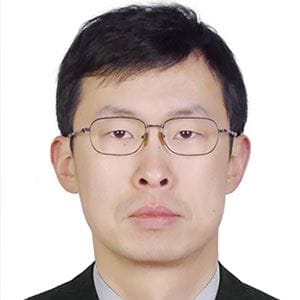
Describe your current area of research (or areas of interest).
My research interests focus on natural macromolecule-based antimicrobial materials.
What do you hope to bring to the journal with your experiences?
I hope to provide novel views to fight against infectious diseases by antimicrobial materials.
Gregor Fuhrmann

Describe your current area of research (or areas of interest).
I am interested to develop new treatment strategies against bacterial infections based on novel natural product-based drugs.
What do you hope to bring to the journal with your experiences?
To increase the awareness for the urgent need to develop new therapeutic avenues to counterbalance antimicrobial resistance.
Sandhya Ganesan

Describe your current area of research (or areas of interest).
Our research interests lie in understanding host defense mechanisms against intracellular bacterial pathogens, bacterial adaptation strategies and using pathogens as tools to understand fundamental cell biology and their dysregulation in diseased states.
What do you hope to bring to the journal with your experiences?
I hope to bring to the journal my extensive training in host-pathogen interactions and hope to learn and grow with the journal on investigation of infectious diseases through multidisciplinary perspectives.
Stavroula K. Hatzios
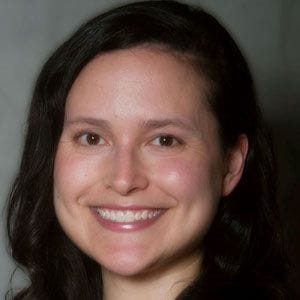
Describe your current area of research (or areas of interest)
My lab studies host–microbe interactions in the gastrointestinal tract by using chemical tools to discover proteins, post-translational modifications, and metabolites that shape cell signaling at the molecular level.
What do you hope to bring to the journal with your experiences?
I hope that my expertise designing chemical approaches to study host–pathogen interactions in vivo will bring a useful perspective to the journal. I am excited to work with ACS Infectious Diseases to highlight content that enhances the accessibility of chemical tools to non-chemists working in the field of infectious disease research.
Sonia Troeira Henriques
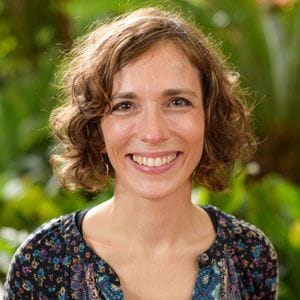
Describe your current area of research (or areas of interest).
I research cell membranes as therapeutic targets, and design novel anti-cancer and anti-infective therapeutic leads by reengineering host defense peptides. I am focused on developing therapeutic leads less likely to acquire drug resistance.
What do you hope to bring to the journal with your experiences?
As an Early Career Board member of this journal, I will bring my multidisciplinary scientific experience (e.g. molecular biophysics, biochemistry, infectious diseases, antimicrobials, membrane biology, drug delivery, peptide design), my leadership experience in mentoring early career researcher, and my passion to support equity, diversity, and inclusion. In my role as peer reviewer, I give constructive feedback to improve scientific rigor and the quality of multidisciplinary research manuscripts.
Brandon Lyon Jutras

Describe your current area of research (or areas of interest).
I use peptidoglycans to understand the biology and pathogenesis of spirochetes.
What do you hope to bring to the journal with your experiences?
I hope to facilitate rapid and rigorous review of studies focused on biochemical approaches to understand host-pathogen interactions.
Tania J. Lupoli
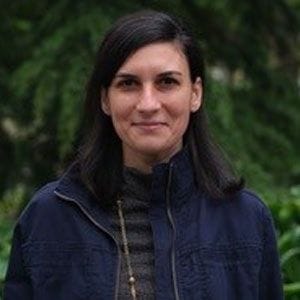
Describe your current area of research (or areas of interest)
My lab uses tools from chemical biology to study bacterial protein and glycan pathways that are important for survival in the environment and during host infection.
What do you hope to bring to the journal with your experiences?
I’d like to highlight research that focuses on promoting mechanistic understandings of antibiotics and other small molecules that can be used to combat infectious diseases.
Peijun Ma

Describe your current area of research (or areas of interest).
My research aims to investigate bacterial heterogeneity and its impact on the evolution of antibiotic resistance and persistence.
What do you hope to bring to the journal with your experiences?
I hope my research experience can bring a multifaceted expertise to the journal. First, I am committed to promoting research that harnesses innovative approaches to advance drug discovery and development, with a particular focus on addressing the urgent challenge of antibiotic resistance. My research experience includes a range of disciplines, including bacterial genomics, genetics, and single-cell transcriptomics, enabling me to contribute unique insights and methodologies to the field. With this experience, I hope I can facilitate collaborations across diverse scientific domains, fostering a comprehensive and integrated approach to studying infectious diseases and developing effective interventions. By bridging gaps between disciplines and promoting innovative research, I aim to contribute to the journal's mission of advancing the therapeutic strategies of infectious diseases.
Nishad Matange

Describe your current area of research (or areas of interest).
I am interested in understanding evolutionary strategies used by bacteria to adapt to antibiotics.
What do you hope to bring to the journal with your experiences?
ACS Infectious Diseases sits on the edge of biology and chemistry. As we enter an era of doing science outside silos, I hope to bring fresh energy to the journal so that its scope, readership, and engagements can cross traditional boundaries of subject, nationality and privilege. My experience as a researcher trained and working in India, but doing science at a globally relevant level puts me in a position to be able to make researchers in the Global South part of the conversation.
Chetan D. Meshram
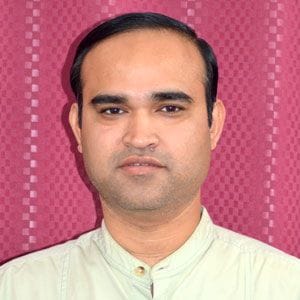
Describe your current area of research (or areas of interest).
I am deeply interested in antiviral drug discovery and other interventions against major human viral pathogens.
What do you hope to bring to the journal with your experiences?
With my prior and current research in studying host-pathogen interactions, antiviral drug discovery, and vaccine development against human viruses of major importance, I want to bring my expertise to exploring newer dimensions in drug discovery, vaccines, diagnostics, and evolving technologies against major human pathogens.
Stefan H. Oehlers

Describe your current area of research (or areas of interest).
Zebrafish models of infection biology and therapy.
What do you hope to bring to the journal with your experiences?
Promoting the use of non-traditional model organisms and chemical biology approaches to the study of infectious diseases.
David Olagnier
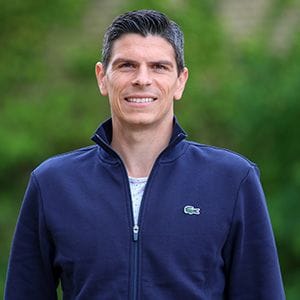
Describe your current area of research (or areas of interest).
My research interests focus on exploring oncolytic viruses for cancer treatment, investigating host-pathogen interactions in viral emerging diseases, and delving into molecular mechanisms in immunology related to virus infections and cancer.
What do you hope to bring to the journal with your experiences?
As an Early Career Board Member with expertise in host-pathogen interactions in viral diseases, and molecular mechanisms in immunology, I will bring a fresh perspective and specialized knowledge to the journal, enhancing the depth and breadth of coverage in these critical and timely areas of research.
Rajesh Narhari Patkar

Describe your current area of research (or areas of interest).
Understanding molecular communication at the interface of fungal pathogens and their plant/animal hosts.
What do you hope to bring to the journal with your experiences?
Looking at biological systems with multi-disciplinary approaches including analytical chemistry, cell-based assays, genetics, and high-end microscopic imaging.
Manuel A. Saldivia
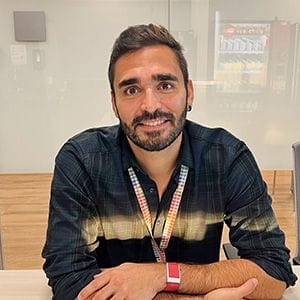
Describe your current area of research (or areas of interest).
Fantastic drug targets and where to find them.
What do you hope to bring to the journal with your experiences?
I hope my academic and industry experience can help those looking to transition to the sector.
Rebecca S. Shapiro
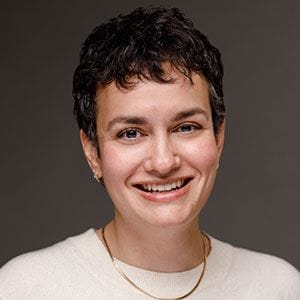
Describe your current area of research (or areas of interest).
The Shapiro lab develops and applies functional genomic techniques to understand the fundamental genetic mechanisms governing virulence of fungal pathogens, and antifungal drug resistance.
What do you hope to bring to the journal with your experiences?
I hope to bring my experience in fungal genetics and pathogenesis to ACS Infectious Diseases.
Jonathan M. Stokes

Describe your current area of research (or areas of interest).
The Stokes lab develops and applies leading-edge artificial intelligence methods for new antibiotic discovery.
What do you hope to bring to the journal with your experiences?
I aim to help promote the adoption of AI technologies to accelerate the discovery of novel anti-infective therapeutics.
Karthik Subramanian

Describe your current area of research (or areas of interest).
The focus of my laboratory is to study the molecular pathogenesis of the human respiratory pathogen, Streptococcus pneumoniae and the mechanisms underlying bacterial interaction with the host immune cells. Specifically, we are investigating the extracellular vesicles released by host cells during infection and their role in pathogenesis using in vitro and mouse models. In the future, we aim to engineer exosomes for developing serotype-independent vaccines. Besides, we are also trying to develop inhibitors against key bacterial virulence factors from large chemical libraries using computational approaches and drug screening assays.
What do you hope to bring to the journal with your experiences?
I look forward to network with fellow scientists, editors about the cutting-edge developments in the field of infectious diseases. I hope to use my expertise in bacterial pathogenesis and immunology to help the editors to identify new thematic issues of emerging research in infectious disease biology and communicate exciting research to the community.
Atsushi Taguchi
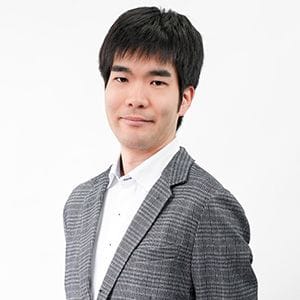
Describe your current area of research (or areas of interest).
I am interested in elucidating the roles of membrane transporters in Gram-positive bacteria and antimicrobial resistance mechanisms in Streptococcus species.
What do you hope to bring to the journal with your experiences?
I am looking forward to using my experiences in microbial genetics, biochemistry, and chemical biology to highlight quality research that paves the way towards developing effective treatment strategies against infectious diseases caused by drug-resistant pathogens.
Shashank Tripathi
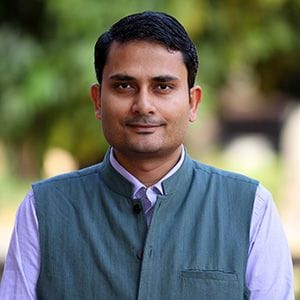
Describe your current area of research (or areas of interest).
Virus-host interactions, antivirals, and vaccines against Human RNA viruses.
What do you hope to bring to the journal with your experiences?
Expertise in virus-host interactions, antivirals, and vaccines against human RNA Viruses (respiratory & vector borne).
Kamalakannan Vijayan

Describe your current area of research (or areas of interest).
My group focuses on understanding how intracellular pathogens rewire the host signaling network and assume control.
What do you hope to bring to the journal with your experiences?
I am excited to be a part of the ACS Infectious Diseases Early Career Board. I believe my expertise along with the other board members will help to identify the areas for special issues and highlight the research findings in the field of host-parasite interactions.
Marthe T.C. Walvoort
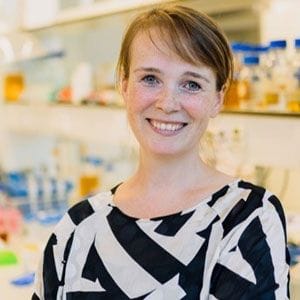
Describe your current area of research (or areas of interest).
With a background in the (bio)chemistry of carbohydrates, the research in my group is centered around understanding the biological roles of specific glycans, glycoproteins and polysaccharides in health and (infectious) disease.
What do you hope to bring to the journal with your experiences?
I am excited to part of ACS Infectious Diseases Early Career Board and look forward to act as a sounding board for the journal’s editorial team to increase the involvement of my peers with the journal. I strongly believe that creating a platform for a diverse group of researchers to highlight their work will benefit the journal and the infectious diseases community at large.
Kathryn Jean Wicht
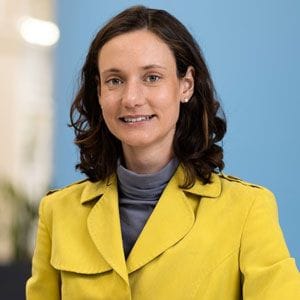
Describe your current area of research (or areas of interest).
Antimalarial drug development and the use of chemical biology/genomic tools to study mechanisms of drug action and resistance in infectious organisms such as malaria parasites.
What do you hope to bring to the journal with your experiences?
The perspective of an African-based researcher working on a disease that predominantly affects African patients, as well as a well-rounded, holistic approach to infectious disease research centered on interdisciplinary sciences including medicinal chemistry and pathogen biology.
Megan Wright
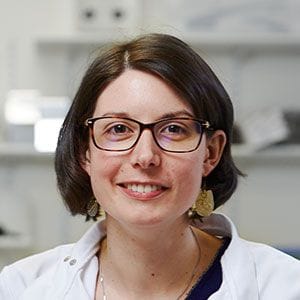
Describe your current area of research (or areas of interest).
My lab develops chemical proteomic approaches to understand biological mechanisms and the mode of action of bioactive molecules in living cells.
What do you hope to bring to the journal with your experiences?
I hope to bring my experience of having navigated the tenure track at the chemistry-biology interface, while balancing family life. I have benefitted from great mentors throughout my career and would like to help promote excellent, supportive research environments. I will bring my experiences of advocating for early career researchers within my institution. Having collaborated with scientists from other disciplines since before my PhD studies, I am keen to promote interdisciplinarity and team science.
Venkateswarlu Yarlagadda

Describe your current area of research (or areas of interest).
The ever-increasing antimicrobial resistance coupled with the diminishing antibiotic pipeline demands constant efforts for the discovery and development of durable antibiotic therapeutics. Our group applies various complementary research strategies to address the problem of antibiotic resistance. The first is the rational chemical modification of existing obsolete antibiotics to impart additional modes of action thereby enhancing their bioactivities. Targeted natural product drug discovery driven by resistance-guided genomic mining/screening is another strategy that we focus on for the identification of novel antibiotic scaffolds.
What do you hope to bring to the journal with your experiences?
I am really excited to join the ACS Infectious Diseases Early Career Board! As a trained antibiotic medicinal chemist in Ph.D. who transitioned to synthetic biologist, microbial chemical biologist later in my Postdoc, and now establishing an independent lab with a focus on the discovery of durable antimicrobial therapeutics; I hope to offer an early-career perspective on the most intriguing challenges in infectious disease research at the chemistry interface. ACS Infectious Diseases enables both biologists and chemists to translate their discoveries for a broader audience. Having a broad understanding of antimicrobial drug discovery would let me contribute to embracing new research. Further, I am committed to assisting the journal in broadening its scope to scientifically related topics, as well as diversifying its reach among key stakeholders, to better serve the community of infectious diseases researchers and medicinal chemists.
Qi Tony Zhou

Describe your current area of research (or areas of interest),
Drug delivery for treatment of respiratory infections.
What do you hope to bring to the journal with your experiences?
I will bring the journal on how drug delivery systems can improve the treatment of respiratory infections.