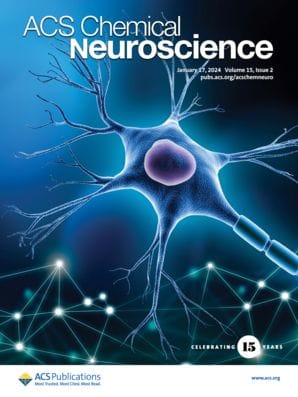
In tobacco and e-cigarette products, menthol is typically thought of as a flavor additive. New research in male rats shows it also changes the intensity and duration of nicotine’s physiological effects.

Menthol is a common additive in tobacco products and a popular flavor in e-cigarettes, valued partly for the cooling sensation it provides. Beyond taste, there is growing evidence that menthol interacts with nicotine at pharmacological and behavioral levels, potentially shaping how the brain responds to nicotine in ways relevant to dependence. But some findings have been inconsistent, and the method of delivery appears to matter considerably. Related work has looked at how the combination affects pulmonary surfactant function in the lungs and brain-region-specific receptor changes, though some of that research used systemic or in vitro methods rather than inhalation.
To investigate this further, researchers used an inhalation-based rat model that captures the sensory and pulmonary dynamics of e-cigarette use, rather than relying on injection-based routes that bypass these pathways. Published in ACS Chemical Neuroscience, the study examines how inhaled menthol aerosol affects nicotine-induced changes in core body temperature, behavioral responses to nicotine’s internal drug cues, and concentrations of nicotine and its metabolites in plasma.
A Longer, Stronger Response
Inhaled nicotine reduced core body temperature, a recognized pharmacological marker in rodent studies and a useful proxy for how the drug is acting in the body. At the test dose, that drop lasted about 90 minutes. Menthol alone had no effect. But when rats inhaled menthol together with nicotine, the temperature drop persisted for up to three hours.
A similar pattern emerged in behavioral tests. Rats were trained to press one lever after receiving nicotine and a different one after receiving saline, effectively learning to recognize nicotine’s internal signal. When menthol was added, roughly half the concentration of nicotine was needed to produce a full nicotine-like response, and the response was still robust at 60 minutes post-exposure, where nicotine alone had already faded.
Both effects shrank when rats were pretreated with a compound that selectively blocks the α4β2* subtype of nicotinic acetylcholine receptor (nAChR) in the brain. These receptors are centrally involved in nicotine’s rewarding and reinforcing effects, and their apparent role here points to a receptor-level mechanism behind menthol’s influence, though the authors note other subtypes may also contribute.
Blood measurements added another piece to the picture. The total amount of nicotine in the bloodstream wasn’t significantly changed by menthol coinhalation, but levels of a downstream nicotine breakdown product (3'-OH-cotinine) were elevated, suggesting menthol alters how the body processes nicotine after it’s absorbed.
More Than a Matter of Taste
The findings suggest that by extending and amplifying nicotine’s physiological and interoceptive effects, menthol may heighten the salience of nicotine-related cues during inhalation. “Menthol should not be viewed merely as a passive flavor additive,” said corresponding author Seong Shoon Yoon in a recent ACS press release. The authors are careful to note that causal mechanisms remain to be established and that the findings apply to male rats only — whether sex differences exist in these interactions is an open question that future work will need to address, alongside direct investigation of the brain signaling pathways involved.
Browse Related Articles in ACS Journals
Thermal Degradation of Nicotine in E-Cigarettes: Increased Cotinine and Myosmine in Vaped E-Cigarette Aerosols and Investigation of Their Synergistic Toxicity
Mohana Sengupta; Taylor Jefferis; Arianna C. Fitzsimons; Ann N. Bui; Christie M. Sayes; Robert M. Strongin
DOI: 10.1021/acsesttox.6c00016
Differential Mutagenic Response of Rat Liver and Lung to Nicotine-Derived Nitrosamine Ketone (NNK)
Yifan Wang; Xinyi Dai; Lulu Zhao; Lu Qian; Panke Zhang; Shuo Huang; Kefan Wang
DOI: 10.1021/acs.analchem.6c04163
Ligands Targeting α9-Containing Nicotinic Acetylcholine Receptors: Structure−Activity Relationships and Therapeutic Potential in Neuropathic Pain
Megan J. Jurek; Christian J. Peters; Andrew P. Riley
DOI: 10.1021/acs.jmedchem.6c01450
Get e-Alerts
Stay Connected With ACS Chemical Neuroscience
Never miss an issue again! Sign up now for email updates on future calls for papers, the latest articles, and other content from ACS Chemical Neuroscience.