Tests in university classes show that simple, low-cost systems can remove airborne particles with little disruption from fan noise.
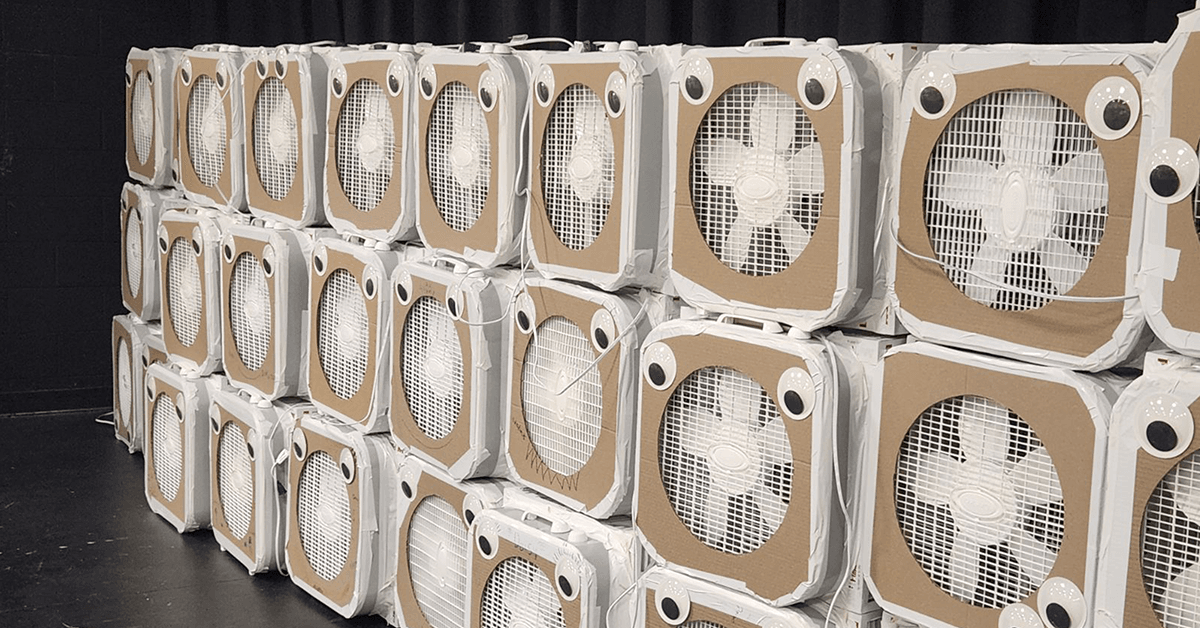
As students return to school and cold and flu season begins, researchers are studying ways to improve indoor air quality and reduce the risk of airborne disease transmission. A study in ACS ES&T Air reports test results of do-it-yourself (DIY) air filters, known as Corsi-Rosenthal Boxes, in university class sessions. The units reduced particulate matter across the occupied classroom by 61%, produced minimal noise, and were more affordable than commercial portable air purifiers.
Read the article
Performance and Practical Considerations of Deploying Do-It-Yourself (DIY) Air Purifiers in Occupied Classrooms
Sharmin Akter; Misti Levy Zamora*; William Gasparrini; Lixing Counsilman; Liam Curtin; Katelyn Honegger; Fayekah Assanah; Doug Brugge; Marina A. Creed; Jessica P. Hollenbach; Sarah Laskowski; Angela Starkweather; Daniel Volovski; Kristina Wagstrom
DOI: 10.1021/acsestair.6c00143
DOI: 10.1021/acsestair.6c00143
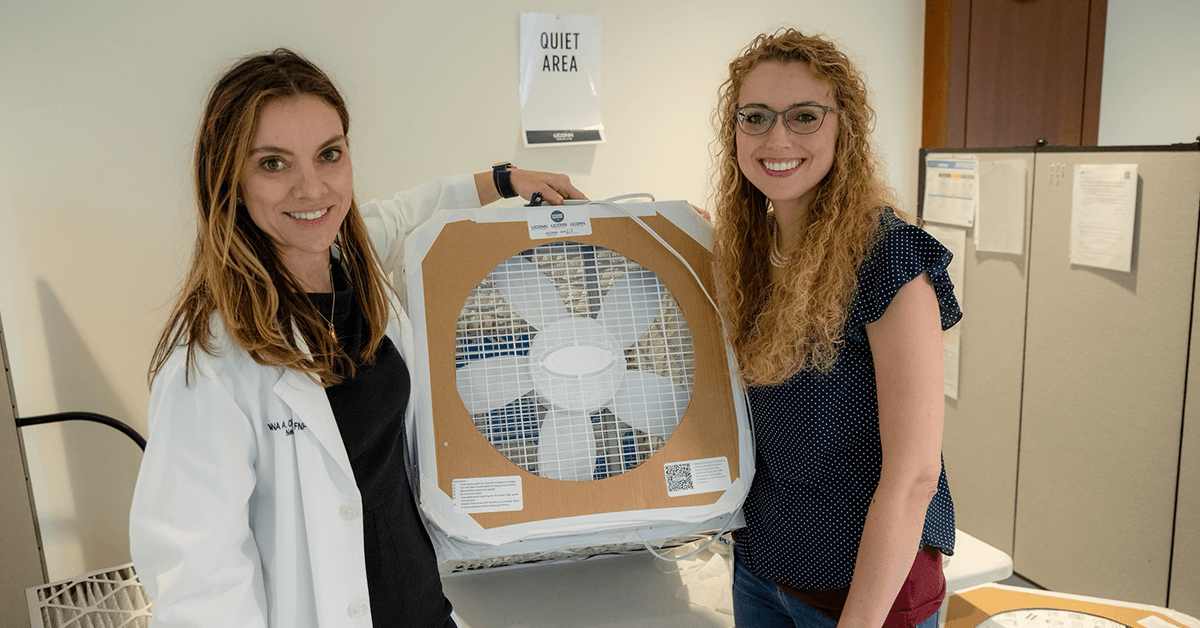
The study is part of a broader effort led by the University of Connecticut's Indoor Air Quality Initiative. Founded in 2021 by Marina Creed, a neuroimmunology nurse practitioner at UConn Health, the initiative brings together researchers, clinicians, educators, and engineers to better understand how indoor air quality affects infectious disease transmission and health. The collaborative effort explores how practical interventions can be implemented in real-world settings.
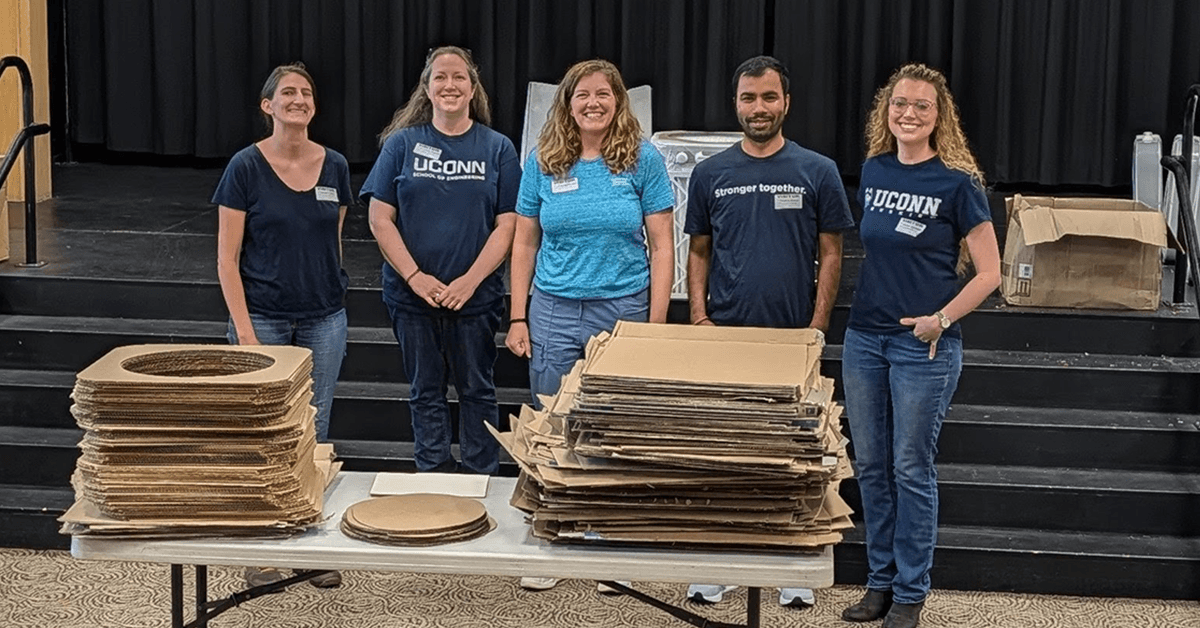
Over the past several years, the initiative has expanded beyond a single classroom study. Researchers have examined educator perceptions of Corsi-Rosenthal Boxes, evaluated their effectiveness in Connecticut K-12 schools, explored their use during wildfire smoke events, and engaged more than 1,200 engineering students in efforts to build and distribute air purifiers to classrooms. Along the way, the team's work connected scientific research with community action, policy discussions, and educational outreach.
From the beginning, the team's focus has been putting research into practice. The latest study adds new evidence about how DIY filtration systems perform in occupied classrooms and whether they can offer schools an affordable approach to improving indoor air quality.
A Q&A with the study’s corresponding author, Misti Levy Zamora, explains why the research team wanted to study this important topic.
Q: Why is improving indoor air quality important?
Zamora: Indoor air quality in educational settings is a critical factor affecting educator and student well-being as well as academic performance because children and school staff spend a large portion of their day inside classrooms. The air inside a child's classroom can keep them healthy or make them sick. When schools lack good ventilation, harmful particles like infectious respiratory aerosols, dust, mold spores, and pollen can build up, creating an unhealthy environment. Breathing in this polluted air can make it harder for students to focus, increase sick days, and ultimately hurt long-term academic success.
Q: What sparked your interest in testing the Corsi-Rosenthal Boxes in university classrooms?
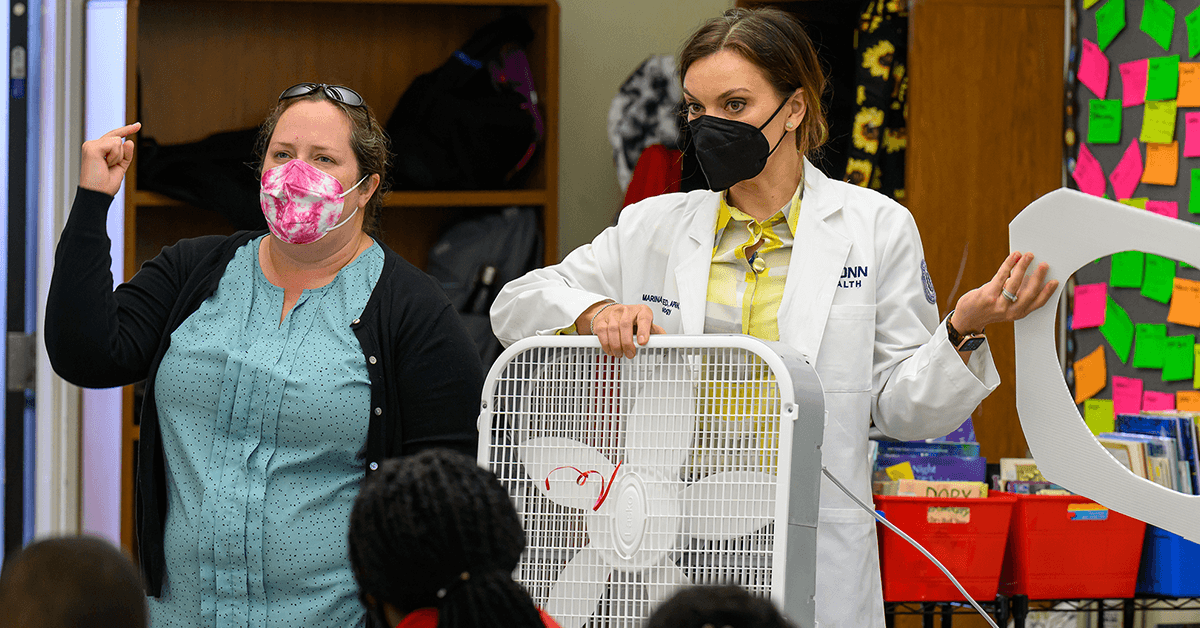
Zamora: While commercial air purifiers typically work well, their high price tags put them out of reach for many school districts. To address this, Marina Creed, a nurse practitioner at UConn Health’s Neurology department specializing in multiple sclerosis, founded the UConn Indoor Air Quality Initiative after seeing DIY air purifiers on social media in 2021. She thought these Corsi-Rosenthal Boxes could be a low-cost, highly effective tool to improve indoor air quality in schools and directly remove COVID from the air before occupants breathe it in. However, she realized there was no evidence yet to prove they could handle the daily wear-and-tear, noise constraints, and safety requirements of real, active classrooms. She then partnered with Dr. Kirstina Wagstrom's team to do this research so we could confidently tell Connecticut schools exactly how well these units work.
Q: Why do you think this research will resonate with a general audience?
Zamora: Commercial units can cost five to ten times more than these DIY air filters to provide the same amount of clean air. This research proves that communities don't need to choose between clean air and their school budgets. Also, aging school facilities without modern mechanical ventilation can still achieve profound improvements in air quality while waiting for much needed HVAC systems.
Q: Do you plan to pursue follow-up studies or test the DIY boxes in other settings?
Zamora: Yes, Dr. Wagstrom has already expanded our research to test these air purifiers under a wide variety of real-world conditions. While this current study highlights their success in a single occupied classroom, we know that room layouts, ventilation systems, and student activities can vary drastically from one school to the next. Our goal is to demonstrate that these accessible devices provide reliable protection across a much broader range of everyday scenarios, and we are working quickly to get those upcoming publications out to the public.
Q: What is the main takeaway that you want a teacher, professor, parent, or school administrator to have from this study?
Zamora: Corsi-Rosenthal Boxes are a safe, highly effective tool for improving indoor air quality without disrupting the learning environment. We showed that the clean air circulated around the entire room, meaning every student receives the protective health benefits regardless of where they sit. Also, don't be put off by their DIY appearance! These air purifiers work better than many commercial air purifiers, at a cheaper price, and they have the added benefit of allowing students to build the air purifiers themselves.
The study’s authors are part of the UConn Indoor Air Quality Initiative, which provides resources for schools and videos on how to build a DIY air purifier.
Dr. Zamora and Marina Creed are also co-investigators on a 3-year NIH-funded R34 clinical trial feasibility studying health markers in residential settings with and without CR Boxes/DIY Air Purifiers — DACRA: Democratizing Access to Clean Residential Air — along with PI Dr. Doug Brugge.
Discover Related Content from ACS and ACS Publications
Watch and Listen
To learn more about the Corsi-Rosenthal Boxes, watch co-inventor Richard Corsi put one together in a short video and listen to an interview with Corsi on the Chain Reaction podcast episode, “The Air We (Want to) Breathe: The Chemistry of Pollution.”
Browse Related Collections and Articles in ACS Journals
Special Issue: Indoor Air Chemistry in the Context of a Changing Climate
Special Issue: The 2025 Los Angeles Fires
Health Benefits of Air Purification: A Systematic Review
Xiaowei Xue; Yixuan Jiang; Weijie Qian; Renjie Chen; Haidong Kan
DOI: 10.1021/envhealth.5c00836
Short-Term Impact of a Portable Air Cleaner on Cognitive Performance
M. Rafsan Nahian; Bowen Du; Alexander Y. Mendell; Zoe Hoskin; Reza Daneshazarian; Melisa Gumus; Athanasios Bourganos; Michael Mack; Jeffrey A. Siegel
DOI: 10.1021/acsestair.6c00209
Field Evaluation of Do-It-Yourself Air Filtration Solutions for Evaporative Coolers to Reduce Ambient Particle Infiltration in Homes in Wildfire-Affected Communities
Mingyu Wang; Aditya Singh; David Chang; Isabella Kaser; Jeff Wagner; Zhong-Min Wang; Brett C. Singer; Shelly L. Miller; Nayamin Martinez; Ruben Rodriguez; Stephanie Jarmul; McKenna Thompson; Peggy Reynolds; Julie Von Behren; John R. Balmes; Mohammad Heidarinejad; Brent Stephens; Gina Solomon
DOI: 10.1021/acsestair.5c00488
Reducing Indoor Particulate Air Pollution Improves Student Test Scores: A Randomized Double-Blind Crossover Study
Jia Xu; Hong Zhao; Yujuan Zhang; Wen Yang; Xinhua Wang; Chunmei Geng; Yan Li; Yun Guo; Bin Han; Zhipeng Bai; Sverre Vedal; Julian D. Marshall
DOI: 10.1021/acs.est.3c10372
Modular Multi-Scale Digital Twin Framework for Sustainable Design of Hybrid Air-Purifying Facepiece
Kyeongeun Lee; Yewon Choi; Jooyoun Kim
10.1021/acsaenm.6c00616