
Frozen blood depends on additives that can damage the cells they protect. A peptide derived from tardigrades, paired with a sugar, was tested as a glycerol-free alternative in mouse cells.
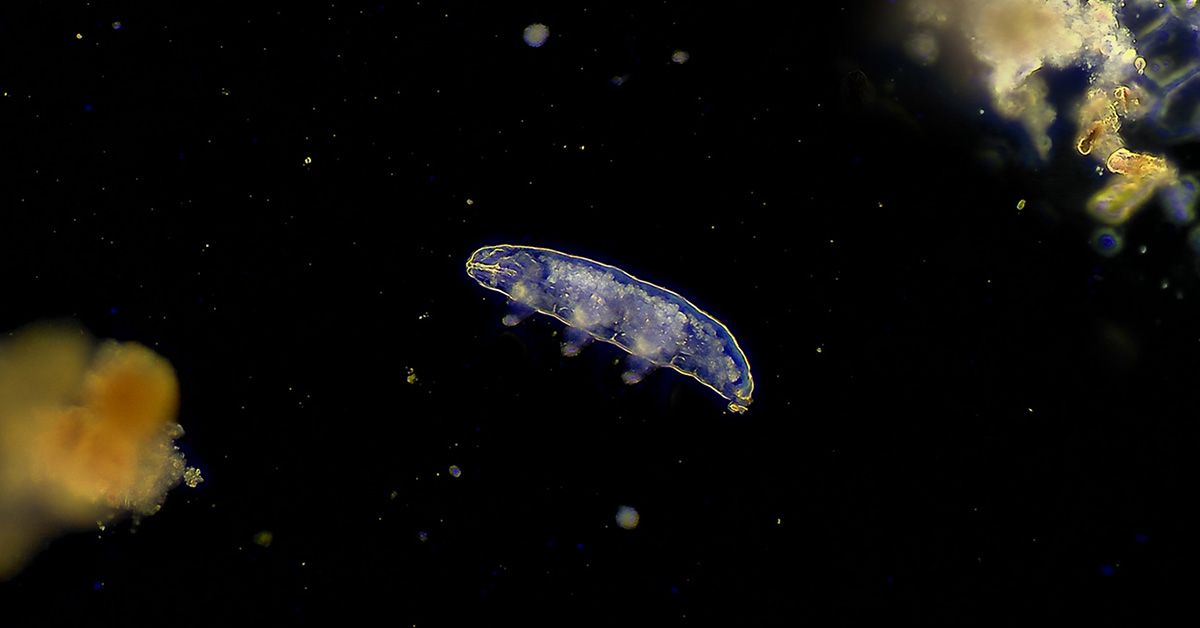
About 120 million units of blood are donated worldwide each year, yet many patients who need a transfusion still lack timely access to safe blood. Freezing red blood cells (RBCs) allows blood banks to store rare types for long periods, but ice crystals can tear cell membranes. Cryoprotectants such as glycerol and dimethyl sulfoxide are widely used to prevent that damage, and glycerol is the clinical standard for RBCs. Removing it after thawing takes time and causes hemolysis in about 15% of cells. Trehalose, a sugar, is gentler but crosses the RBC membrane poorly, and the usual workaround, loading it at 37 °C, harms the cells. For a glycerol-free alternative, researchers in China took inspiration from the tardigrade, an animal that survives extreme drying.
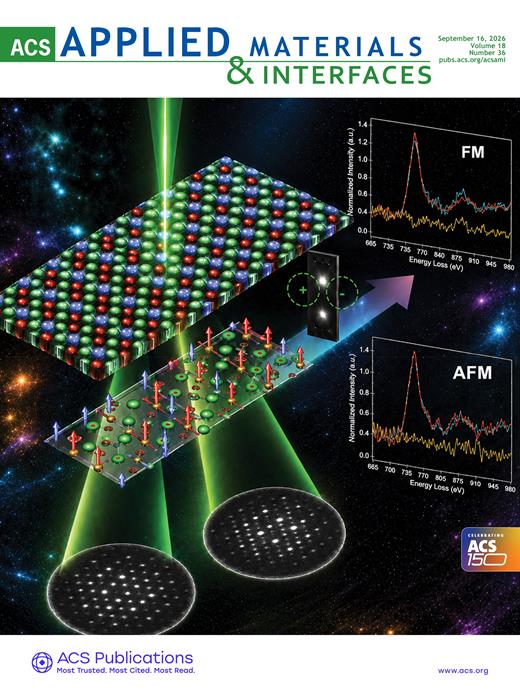
A Tardigrade-Derived CAHS-Motif Enables Glycerol-Free Red Blood Cell Cryopreservation with Enhanced Low-Temperature Trehalose Loading and Synergistic Suppression of Ice Damage
Tianwen Xi; Yiyi Ding; Ruichen Wang; Yujuan Ren; Xuanlin Qu; Meilian Chen; Mingli Chu; Yijia Chen; Hui Yang; Leming Sun
DOI: 10.1021/acsami.6c12445
How Do Tardigrades Survive Drying Out?
Tardigrades, also known as water bears, survive extreme drying by entering a dormant state called cryptobiosis, pulling in their head and limbs to form a ball called a tun. As tardigrade cells dry out, cytosolic abundant heat-soluble (CAHS) proteins assemble into filaments and, at high concentrations, gels whose cavities protect other molecules from damage. The paper, published in ACS Applied Materials & Interfaces, also notes that CAHS proteins interact synergistically with trehalose during dehydration, an effect not seen with other sugars.
Putting the Peptide to the Test
The team tested whether a piece of CAHS could help trehalose protect RBCs. Instead of a full-length protein, they screened the CAHS family for conserved repeats and chose a 19-residue sequence from a CAHS protein in Hypsibius exemplaris, which they used as a synthetic peptide called the CAHS-motif.
Incubating mouse RBCs with the peptide and trehalose at 4 °C raised intracellular trehalose to about 93 mM, compared with 74 mM for trehalose alone, with low hemolysis before freezing. Membrane fluidity increased, although the authors state this does not show how trehalose enters the cell. In a cell-free test, the combination changed how ice formed and melted, consistent with reduced ice damage.
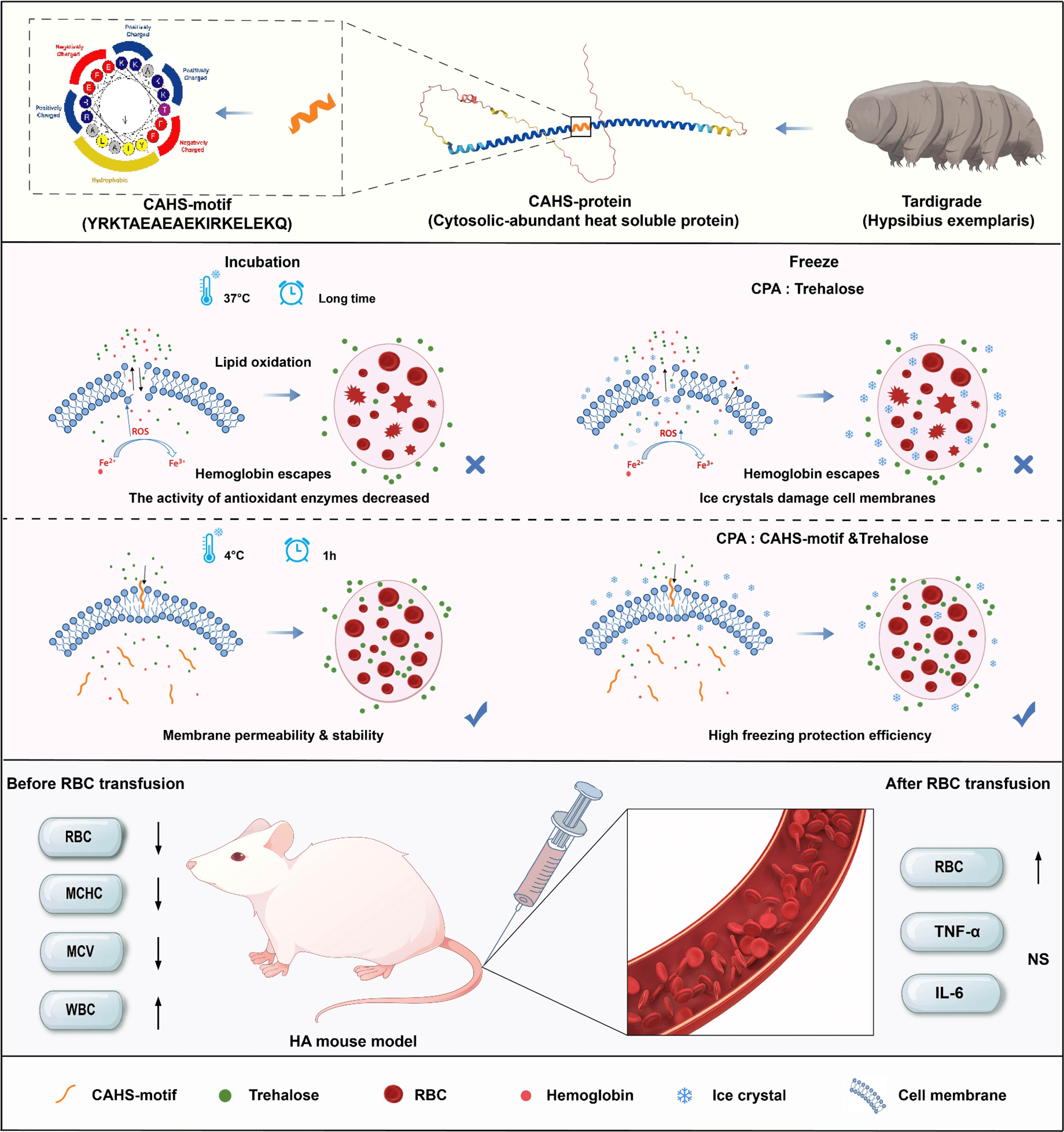
With the peptide and trehalose, 89.0% of cells were recovered after freezing and thawing, versus 82.4% for 20% glycerol and 66% for trehalose alone. The gap widened after a single wash: 66% of peptide-treated cells remained, compared with 22% for glycerol. Every group got just one wash, not the stepwise removal used clinically for glycerol, and the authors say the test gauges handling simplicity rather than replacing standard glycerol testing. Thawed cells matched controls in average volume and in Na+/K+-ATPase and catalase activity, though hemoglobin per volume of packed cells dropped.
The team then transfused thawed cells into mice with chemically induced hemolytic anemia. Twenty-four hours after transfusion, mice that received the peptide-and-trehalose cells had higher RBC counts and hemoglobin than mice given cells frozen in saline alone, and levels comparable to mice given cells frozen in 40% glycerol. Cell volume stayed closer to normal than in the glycerol group. Injected alone, the peptide caused no detectable rise in the inflammatory markers TNF-α and IL-6.
Beyond the Mouse Model
Leming Sun, a corresponding author, describes the study as a “first attempt.” The cells came from mice, and the animal groups were small. Safety was assessed only in the short term, and human blood was not tested. Even so, he describes the possible benefits: “If further developed, it could make the process simpler after thawing, reduce concerns associated with residual glycerol, and help preserve the quality of stored cells,” he said in a press release. The authors suggest the approach could be relevant to storing rare blood types and to emergency transfusion.
Browse Related Articles in ACS Journals
Tardigrade-Derived Strategy for Low-Cost Storage of Cell-Free Expression Lysates
Marten Meckelburg; Imre Banlaki; Aukse Gaizauskaite; Henrike Niederholtmeyer*
DOI: 10.1021/acssynbio.6c00281
Inulin Can Improve Red Blood Cell Cryopreservation by Promoting Vitrification, Stabilizing Cell Membranes, and Inhibiting Ice Recrystallization
Yuying Hu; Xiangjian Liu; Wenqian Zhang; Jiangming Chen; Xiaoxiao Chen; Songwen Tan*
DOI: 10.1021/acsbiomaterials.3c01463
Surface Acoustic Wave-Based Assessment of Red Blood Cell Viability Following Cryopreservation
Xi Chen; Zhaojiang Chen; Shiqing Liu; Kang Chen; Gang Zhao*
DOI: 10.1021/acs.analchem.5c05693
Cryopreservation of Red-Blood-Cell-Derived Extracellular Vesicles
Kinga Ilyés; Tasvilla Sonallya; Judith Mihály; Anikó Gaál; Zoltán Varga*
DOI: 10.1021/acsomega.5c10099
Patterning on Living Tardigrades
Zhirong Yang; Shan Wu; Kang Zhao; Ding Zhao*; Min Qiu*
DOI: 10.1021/acs.nanolett.5c00378
Related blog post: Tardigrades Get Tattooed
Cold-Responsive Nanoparticle Enables Intracellular Delivery and Rapid Release of Trehalose for Organic-Solvent-Free Cryopreservation
Yuntian Zhang; Hai Wang; Samantha Stewart; Bin Jiang; Wenquan Ou; Gang Zhao*; Xiaoming He*
DOI: 10.1021/acs.nanolett.9b04109

Get e-Alerts
Stay Connected With ACS Applied Materials & Interfaces
Never miss an issue again! Sign up now for email updates on future calls for papers, the latest articles, and other content from ACS Applied Materials & Interfaces.
