
This Special Issue will explore the state of the art in the design, synthesis, characterization, advanced functionality, and application of smart hydrogels. Submit your manuscript by June 1, 2027.
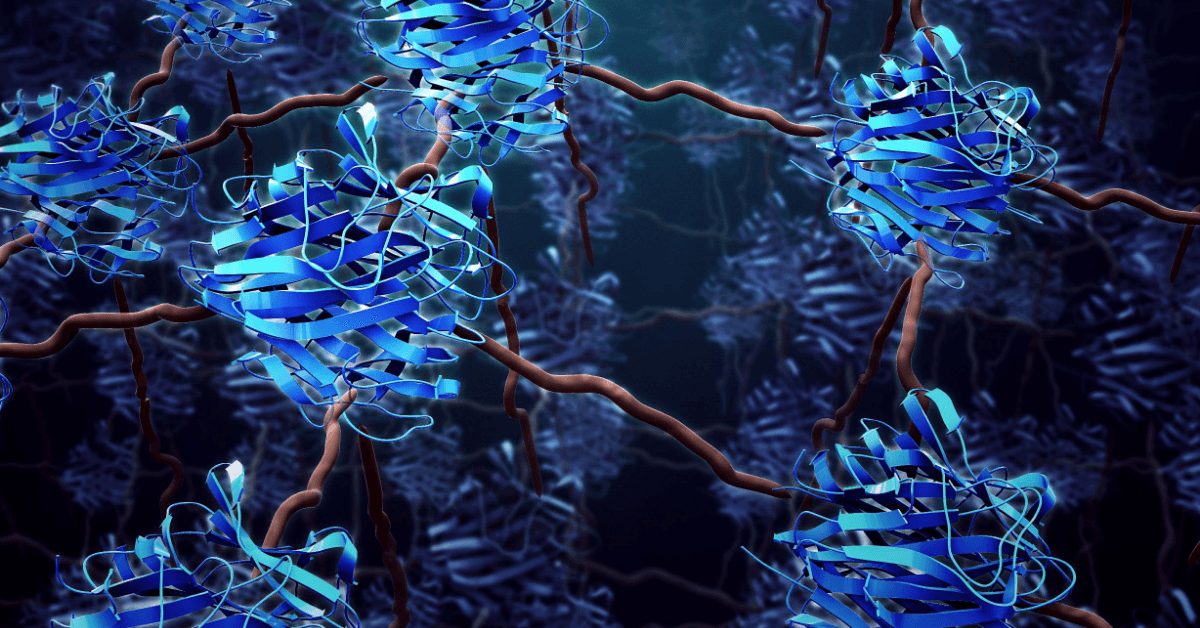
Smart hydrogels are soft materials capable of responding dynamically to external stimuli such as temperature, pH, light, electric and magnetic fields, mechanical stress, and biochemical signals. By combining the high water content and biocompatibility of conventional hydrogels with programmable responsiveness, these materials have opened new opportunities across biomedicine, tissue engineering, drug delivery, soft robotics, wearable electronics, environmental remediation, and sustainable manufacturing.
This Special Issue in Chemistry of Materials will explore the state of the art in the design, synthesis, characterization, advanced functionality, and application of smart hydrogels.
Topics of Interest
Topics include, but are not limited to:
Materials Design and Synthesis
- Stimuli-responsive hydrogels (pH, temperature, light, electric and magnetic fields)
- Multi-responsive and programmable hydrogels
- Supramolecular and dynamic covalent hydrogels
- Self-healing and shape-memory hydrogels
- Nanocomposite and hybrid hydrogel systems
Advanced Functionalities
- Injectable and in situ-forming hydrogels
- Adhesive and bioinspired hydrogels
- Conductive and electroactive hydrogels
- Tough, stretchable, and mechanically adaptive hydrogels
- Living and cell-laden hydrogels
Biomedicine
- Controlled and targeted drug delivery
- Tissue engineering and regenerative medicine
- Wound healing and antimicrobial hydrogels
- Cancer therapy and theranostics
- Biosensing and diagnostic platforms
Manufacturing and Engineering
- 3D/4D printing of smart hydrogels
- Microfabrication and hydrogel-based microfluidics
- Hydrogel bioinks for bioprinting
Soft Devices and Robotics
- Soft actuators and artificial muscles
- Hydrogel-based wearable electronics
- Flexible sensors and electronic skins
- Smart hydrogels for soft robotics
Environment and Energy
- Water purification and pollutant removal
- Environmental sensing and monitoring
- Sustainable and biodegradable hydrogel technologies
- Hydrogel-based energy storage and harvesting systems
Organizing Editors
Prof. Julien Nicolas, Associate Editor, Chemistry of Materials
Université Paris-Saclay, France
Prof. Baolin Guo, Guest Editor
Xi’an Jiaotong University, China
Prof. Tina Vermonden, Guest Editor
Utrecht University, The Netherlands
Submission Information
We welcome submissions for this Special Issue through June 1, 2027. For more information on submission requirements, please visit the journal’s Author Guidelines page.
Accepted manuscripts for consideration in this Special Issue will include research Articles, Methods/Protocols, Perspectives, and Reviews. Papers accepted for publication in this Special Issue will be available ASAP (as soon as publishable) online. After all submissions have been published, they will be compiled online on a dedicated landing page to form the Special Issue. Manuscripts submitted for consideration will undergo the full rigorous peer review process expected from ACS journals.
How to Submit
- Log in to the ACS Publishing Center.
- Select your manuscript type; upload your manuscript and related files.
- Review the title and abstract fields to ensure any pre-populated information has uploaded correctly.
- Under “Special Issue Selection,” select Smart Hydrogels.
- Confirm all other information has uploaded correctly.
- Submit your article.
If you have any general questions regarding submission to this Special Issue, please contact Prof. Julien Nicolas (nicolas-office@cm.acs.org).

Get e-Alerts
Stay Connected With Chemistry of Materials
Never miss an issue again! Sign up now for email updates on future calls for papers, the latest articles, and other content from Chemistry of Materials.
