
A stretchable patch that activates with gentle heat offers a new way to target melanoma, using copper ions to disrupt tumor cells in early tests.
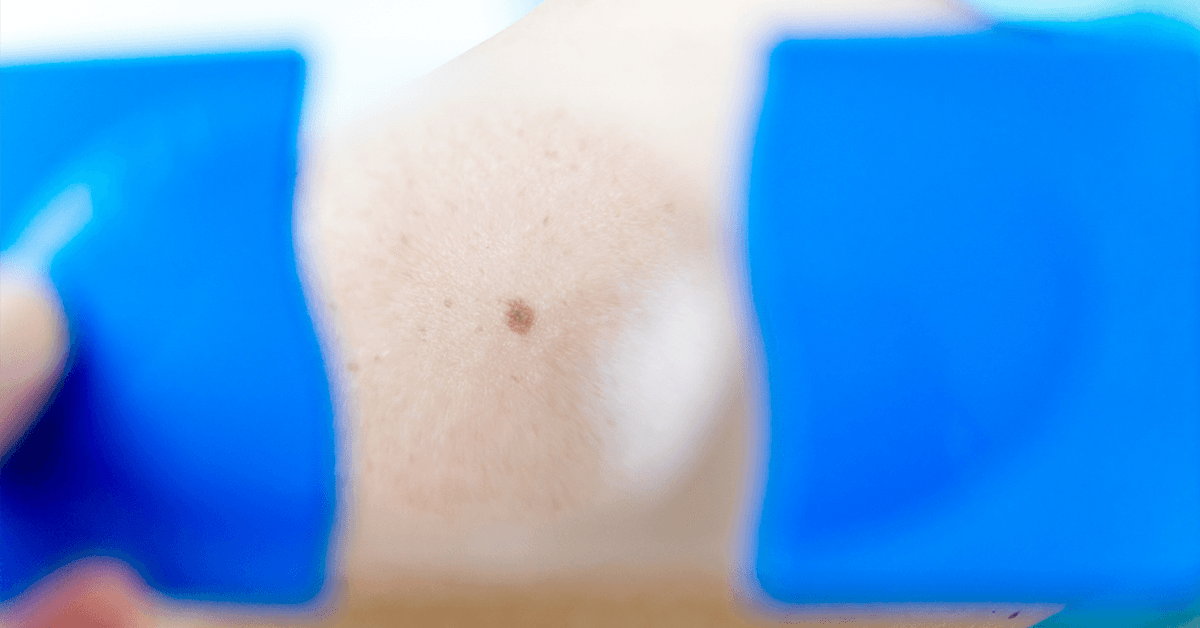
Over 6 million people every year are diagnosed with skin cancer. The majority of cases are classified as non-melanoma, but melanoma is an aggressive subtype, responsible for about 80% of skin cancer-related deaths. Global cases of melanoma are predicted to approach half a million by 2040. Surgical excision remains the standard treatment, but it comes with challenges including recovery time, risk of infection, and recurrence. Next-generation approaches are therefore focusing on noninvasive, biocompatible strategies.
At a Glance: Chemistry at the Forefront of Skin Cancer Care
Researchers are exploring a range of materials-based strategies to improve how therapies reach and affect melanoma in the skin:
- Microneedles that deliver therapeutics directly into the dermal layer, increasing local drug concentration
- Hydrogels that enable controlled and sustained release of anticancer agents
- Smart patches that use external triggers to induce localized tumor cell damage
- Graphene-based systems that generate heat or electrical stimulation to disrupt cancer cells
A shared challenge across these approaches is achieving precise tumor targeting while avoiding damage to surrounding healthy tissue and limiting unwanted inflammation.
A stretchable, transparent, photothermally stimulated patch
A recent study published in ACS Nano describes a soft, stretchable patch built from laser-induced graphene embedded with copper oxide, supported by a flexible polydimethylsiloxane (PDMS) matrix. The copper component is central to the design because it can trigger cuproptosis, a regulated form of cell death linked to copper accumulation in mitochondria.
The resulting patch is chemically inert, breathable, and transparent, allowing light to pass through for activation. When exposed to mild photothermal heating, it releases copper ions into the tissue beneath it. These ions promote the formation of reactive oxygen species, which disrupt cellular function and drive cancer cell death through several pathways, including apoptosis and ferroptosis. Working together, these effects increase oxidative stress within tumor cells and limit their ability to survive and spread.
In a mouse model, two one-hour treatment sessions reduced tumor growth substantially within 10 days. In contrast, patches that were not photothermally activated showed little effect on tumor progression. The researchers also observed reduced indicators of tumor migration and signals consistent with activation of antitumor immune responses. The patch is also reusable and maintains stable performance across multiple treatment cycles, suggesting practical advantages for repeated use. Read the related press release.

Read the Full Article
A Stretchable, Transparent, Photothermally Stimulated Laser-Induced Graphene Patch for Noninvasive Skin Tumor Treatment
Xiaoyu Xu, Le Cheng, Baoping Li, Xinyu Wang, Siyu Chen, Zihao Li, Li Zhou, Tengyue Liu, Yidan Zhou, Zhiqiang Li, Xin Li*, Shi Chen*, Meijia Gu*, and Ruquan Ye*
DOI: 10.1021/acsnano.5c21102
DOI: 10.1021/acsnano.5c21102
Other advances in patch-based therapies
There is more work ongoing in this space, including a 3D-printed microneedle patch for melanoma that combines chemotherapy with photothermal therapy. In this system, graphene oxide quantum dots generate heat under near-infrared light, while an embedded drug provides a chemotherapeutic effect. The patch reduces cancer cell viability and demonstrates mechanical properties suitable for penetration and controlled release.
Another approach uses a wearable bioelectronic patch that generates hypochlorous acid to stimulate immune activity at tumor sites. This system uses electrocatalysis and controlled delivery mechanisms to influence tumor behavior and immune signaling.
Related designs are also exploring integrated sensing and treatment systems that can detect melanoma-associated markers and trigger drug release in response. Early results suggest these platforms can inhibit tumor growth while minimizing side effects.
Together, these advances point toward a growing interest in minimally invasive, patch-based strategies for melanoma treatment. While still at an early stage, they highlight how materials chemistry could help address longstanding challenges in targeting tumors more precisely while preserving healthy tissue.
Treating melanoma: explore related articles in ACS journals
Microneedle Patches Loaded with cRGD-Modified pH-Sensitive Hydroxycamptothecin Liposomes for Melanoma Therapy
Xiaoju Zhou*, Chenyuan Wang, Haojie Ke, Rui Zhang, Xiaoya Yu, Wei Li*, Shi Chen*, and Lianrong Wang*
DOI: 10.1021/acs.molpharmaceut.5c00721
Advancement of Self-Reporting Polymer Nanoparticles for Melanoma Therapy and Biosensing
Dilara Yeniterzi, Irem Beyza Calla, Sevki Can Cevher, Gulcihan Gulseren*, and Saniye Soylemez*
DOI: 10.1021/acsapm.5c00706
Copper-Based Metal-Polyphenol Network Encapsulated Mesoporous Silica for Targeted Cuproptosis Induction and Immunotherapy in Melanoma
Mingyang Li, Xinwen Zhang, Wenting Li, Yipeng Zhang, Bing Yuan, Heran Tian, Dongsheng Zhang*, Zhenxing Liu*, and Xiao Fu*
DOI: 10.1021/acsami.5c25538
In Situ Needle-Free Injection of Multiretention Micelles for Melanoma Therapy with Multiomics Insights into Tumor Targeting and Immune Modulation
Kaichao Song, Yumei Hao, Peng Lei, Yige Yang, Yuxin Zhang, Suning Chen, Jiandong Jiang*, Wensheng Zheng*, and Lulu Wang*
DOI: 10.1021/acsnano.6c01481
Mitochondria-Targeted Dual-Ion Perturbator Amplifies Cuproptosis for Enhanced Melanoma Immunotherapy and Accelerated Postoperative Wound Healing
Han Du, Zhe Li, Shao-Tian Fu, Chang-Jie Yang, Yan-Ze Yin, Zhimin Chen, Chang-Qing Zhao*, Han Qiao*, and Ding-Kun Ji*
DOI: 10.1021/acsnano.5c05965
Get e-Alerts
Stay Connected With ACS Nano
Never miss an issue again! Sign up now for email updates on future calls for papers, the latest articles, and other content from ACS Nano.