
This Special Issue will highlight cutting-edge research at the interface of physical principles and molecular science, spanning both organic and inorganic systems. Submit your manuscript by April 30, 2027.
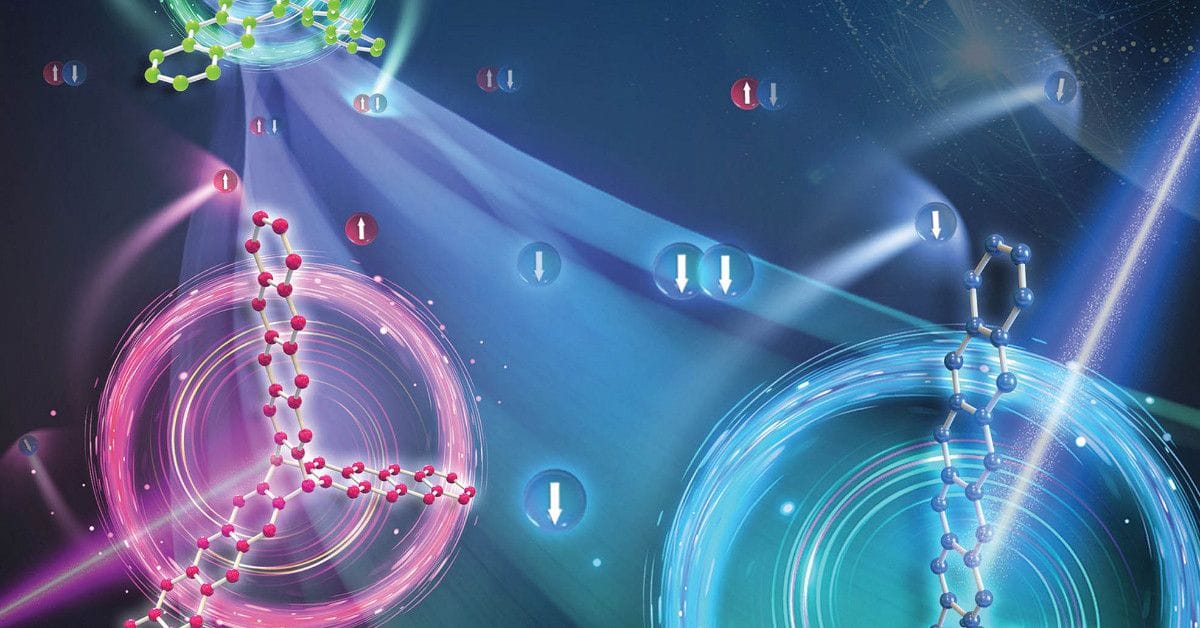
Modern chemical research increasingly relies on physical insight to unravel the fundamental principles governing structure, bonding, and reactivity across both organic and inorganic systems. This Special Issue, “Physical Organic & Inorganic Chemistry,” hosted by ACS Organic & Inorganic Au, will highlight how advances in mechanistic understanding, spectroscopy, and theory enable the rational design and control of chemical transformations.
We invite submissions of original research articles, letters, perspectives, reviews, and tutorials that leverage physical principles to elucidate and predict chemical behavior. The issue aims to showcase work that connects detailed mechanistic and electronic insights with broader applications in catalysis, synthesis, and functional systems.
Topics of interest include, but are not limited to:
- Reaction mechanisms and kinetic studies in organic and inorganic chemistry
- Structure–reactivity relationships and quantitative physical organic approaches
- Experimental and computational studies of reactive intermediates and transition states
- Advanced spectroscopic methods (e.g., X-ray, optical, magnetic resonance) to probe electronic structure and reactivity
- Electronic structure and bonding analysis, particularly in transition metal and main-group systems
- Catalysis from a mechanistic and physical perspective, including Lewis/Brønsted acid catalysis and small-molecule activation
- Bioinorganic and enzymatic systems, including mechanistic insights into metalloenzymes
- Ultrafast dynamics and time-resolved studies of chemical transformations
- Integration of theoretical and experimental approaches to understand complex reactivity
- Physical insights enabling selective, efficient, and sustainable chemical processes
We particularly encourage contributions that provide quantitative mechanistic or spectroscopic insight, integrate complementary experimental and theoretical tools, or advance fundamental understanding in ways that inform catalyst development, reactivity design, or electronic structure interpretation.
Organizing Editors
Dr. Sami Lakhdar, Guest Editor
Université Paul Sabatier Toulouse, France
Prof. Serena DeBeer, Guest Editor
Max Planck Institute for Chemical Energy Conversion, Germany
Prof. Geraldine Masson, Deputy Editor, ACS Organic & Inorganic Au
Université de Paris-Saclay, France
Submission Information
We welcome submissions for this Special Issue through April 30, 2027. For more information on submission requirements, please review the journal’s Author Guidelines.
Manuscripts for consideration in this Special Issue can be submitted in several forms: Article (full research papers), Letter, Perspective, Review, or Tutorial.
Manuscripts accepted for publication in this Special Issue will be available online ASAP (as soon as publishable). After all submissions have been published, they will then be compiled online on a dedicated landing page to form the Special Issue and highlighted as a significant contribution to the field. All articles will be peer reviewed prior to acceptance, to ensure they fit the scope of the Special Issue and meet the high scientific publishing standards of ACS Organic & Inorganic Au.
ACS Organic & Inorganic Au is a fully open access journal, and therefore your paper will be available to anyone, at anytime, anywhere in the world. Please see our website for more information on Open Access Pricing, our ACS Country Discount & Waiver Policy, and ACS Read and Publish agreements.
How to Submit
- Log in to the ACS Publishing Center.
- Select your manuscript type; upload your manuscript and related files.
- Review the title and abstract fields to confirm any pre-populated information has transferred correctly.
- Under “Special Issue Selection,” select Physical Organic & Inorganic Chemistry.
- Confirm all other information is correct.
- Submit your article.
If you have any general questions regarding submission to this Special Issue, please contact the editorial office of the journal (masson-office@orginorgau.acs.org).
Get e-Alerts
Stay Connected With ACS Organic & Inorganic Au
Never miss an issue again! Sign up now for email updates on future calls for papers, the latest articles, and other content from ACS Organic & Inorganic Au.