
This Special Issue provides a premier platform for collaboration across polymer science, medicine, and biotechnology to advance next-generation RNA delivery technologies. Submit your manuscript by March 31, 2027.
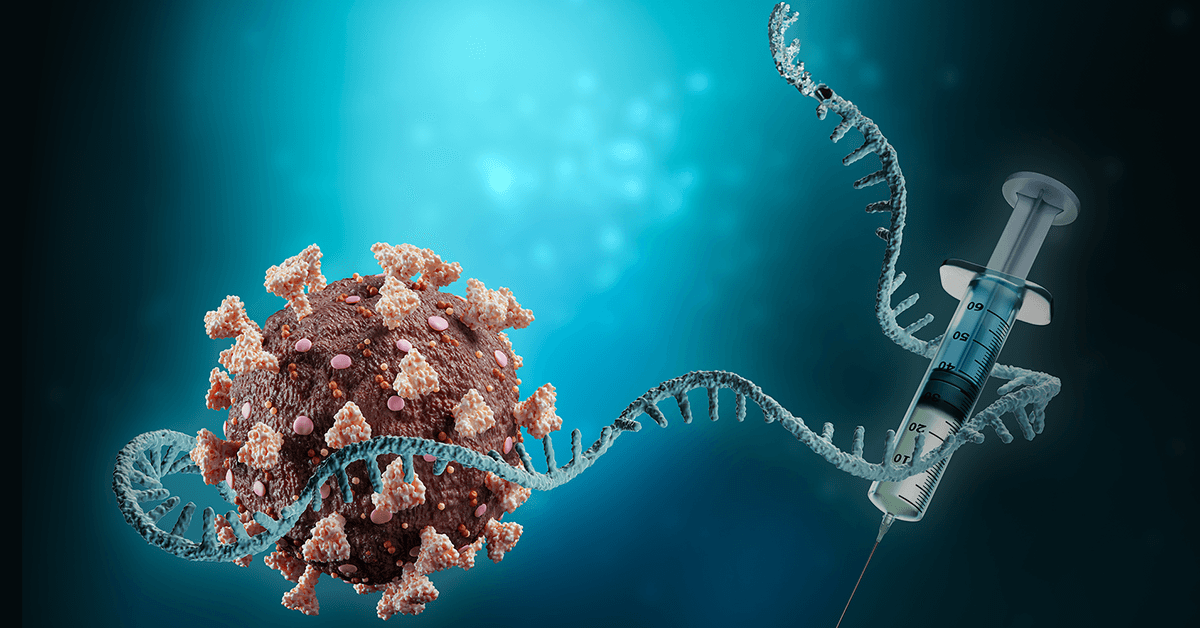
Messenger RNA (mRNA) therapeutics have revolutionized modern medicine, demonstrating unprecedented clinical success in vaccines, cancer immunotherapy, protein replacement, gene editing, regenerative medicine, and treatment of rare diseases. Although lipid nanoparticles (LNPs) have enabled the first generation of approved mRNA medicines, next-generation delivery platforms are urgently needed to achieve enhanced tissue specificity, improved intracellular delivery, reduced toxicity, prolonged expression, and scalable manufacturing.
Polymer-engineered delivery systems are emerging as one of the most promising alternatives and complements to LNPs. Advances in polymer chemistry enable the rational design of biodegradable, ionizable, stimuli-responsive, and multifunctional materials with controlled molecular architectures and physicochemical properties. These innovations provide opportunities to regulate nanoparticle assembly, mRNA encapsulation, endosomal escape, intracellular trafficking, controlled release, and tissue-specific targeting. Emerging technologies such as polymer-lipid hybrid nanoparticles, nanogels, hydrogels, dendrimers, microfluidic manufacturing, high-throughput materials discovery, and artificial intelligence-guided polymer design, are accelerating the development of next-generation mRNA delivery systems.
This Special Issue of Polymer Science & Technology will bring together leading researchers from academia and industry to showcase the latest advances in polymer-engineered platforms for mRNA therapeutics, spanning fundamental polymer design, mechanistic understanding, advanced manufacturing, translational studies, and clinical perspectives.
Topics include, but are not limited to:
- Rational molecular design of polymers for mRNA delivery;
- Ionizable, biodegradable, and stimuli-responsive polymeric carriers;
- Polymer-lipid hybrid nanoparticles and multifunctional nanocarriers;
- Nanogels, hydrogels, dendrimers, and injectable polymer systems;
- Precision control of intracellular delivery, endosomal escape, and organ-specific targeting;
- Polymer-based delivery of mRNA, circular RNA, and self-amplifying RNA;
- AI-guided polymer discovery and high-throughput screening platforms;
- Microfluidic and scalable manufacturing technologies for polymeric RNA nanomedicines;
- Polymer-enabled delivery for cancer immunotherapy, vaccines, regenerative medicine, and gene editing;
- Clinical translation, industrial perspectives, and commercialization of polymer-based RNA therapeutics.
Organizing Editors
Prof. Chunxia Zhao, Guest Editor
School of Chemical Engineering, University of Adelaide, Australia
Prof. Jiali (Maggie) Zhai, Guest Editor
School of Science, RMIT University, Australia
Prof. Ruirui Qiao, Topic Editor, Polymer Science & Technology
Australian Institute for Bioengineering and Nanotechnology, The University of Queensland, Australia
Submission Information
Submissions are welcome through March 31, 2027. The peer review process for all papers will be managed by the journal editors to ensure rigor is maintained. If accepted, publications will go online as soon as possible and be published in the next available issue. Publications on this topic will be gathered into a virtual issue and widely promoted as significant contributions to this research area.
Polymer Science & Technology is a fully open access journal; thus, your paper will be available to anyone, at anytime, anywhere in the world.
How to Submit
- Log in to the ACS Publishing Center.
- Select your manuscript type; upload your manuscript and related files.
- Review the title and abstract fields to ensure any pre-populated information has uploaded correctly.
- Under "Special Issue Selection," select Polymer-Engineered Delivery Systems for mRNA Therapeutics.
- Confirm all other information has uploaded correctly.
- Submit your article.
Please see our Author Guidelines for more information on submission requirements. The deadline for submissions is March 31, 2027.
Get e-Alerts Stay Connected With Polymer Science & Technology
Stay Connected With Polymer Science & Technology
Never miss an issue again! Sign up now for email updates on future calls for papers, the latest articles, and other content from Polymer Science & Technology.