
Eight studies in ACS journals reveal the scientific impact of cinnamon, ginger, nutmeg, and clove across food, medicine, and sustainability.

'Tis the season of spiced coffee, gingerbread houses, simmer pots, and clove-studded pomanders—aromas that evoke comfort, warmth, and tradition. But beyond their festive flavors, these spices are at the center of innovative research with practical applications in food preservation, medicine, and sustainability. This roundup spotlights recent ACS journal articles that reveal how cinnamon, ginger, nutmeg, and clove are making a difference far beyond the holiday table.
Cinnamon
Cinnamon Essential Oil Extends Berry Shelf Life
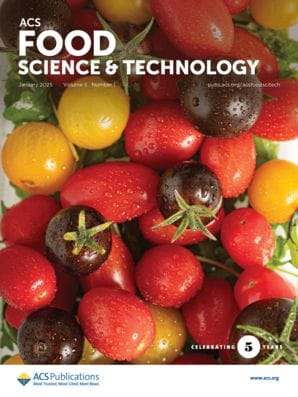
Postharvest spoilage is a major hurdle for soft fruits like raspberries and blackberries—and no one likes finding unwelcome fuzzy surprises in their newly purchased berry cartons. To address this, researchers used alginate beads loaded with cinnamon essential oil. The beads significantly reduced mold growth during storage, offering a natural and effective method for extending berry shelf life without synthetic fungicides.
Read the full article
Postharvest Mold Growth Control in Raspberries and Blackberries Using Cinnamon Essential Oil-Loaded Alginate Beads
Maria J. Paris, Emma Mani-López, Nelly Ramírez-Corona, and Aurelio López-Malo*
DOI: 10.1021/acsfoodscitech.4c00649
DOI: 10.1021/acsfoodscitech.4c00649
Nanoencapsulated Cinnamon Oil Targets Crop Fungi
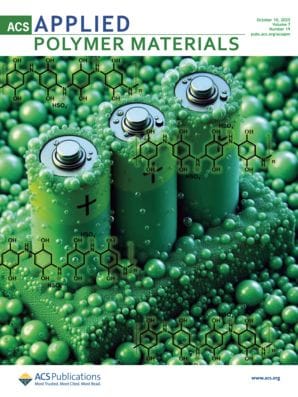
A team in Brazil have developed zein-based nanocarriers to deliver cinnamon essential oil directly to bean leaves, reducing fungal infection severity and forming a protective film. The formulation proved safe for plants and aquatic life, pointing to eco-friendly crop protection.
Read the full article
Nanoencapsulation of Cinnamon Essential Oil in Zein: Physicochemical Properties, In Vitro Release, and Antifungal Activity
José Marcelo Honório Ferreira Barros, Alessandro Antônio dos Santos, Ana Carolina Felipe da Silva, Antony Luiz Valentim Chamberlain, Helena C Silva de Assis, Anna Maria Siebel, Marciel João Stadnik, and Cristiane da Costa*
DOI: 10.1021/acsapm.5c02214
DOI: 10.1021/acsapm.5c02214
Ginger
Ginger-Derived Exosomes Show Promise Against Brain Cancer
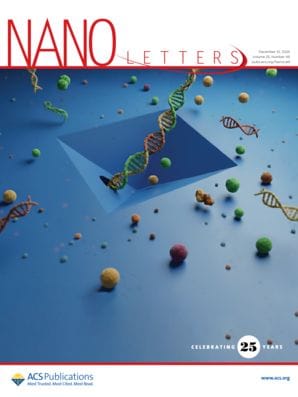
Researchers have developed a treatment for glioblastoma using exosomes derived from ginger, which are natural, easily accessible nanoparticles. These ginger exosomes cross the blood-brain barrier and accumulate in tumor tissue, where they both trigger cancer cell death and stimulate the immune system to recognize and attack the tumor. In mouse models, this approach significantly extended survival without toxicity, highlighting its promise as a safe and effective strategy for tackling this challenging brain cancer.
Read the full article
Natural Ginger-Derived Exosomes as Effective Therapeutics for Glioblastoma
Shiyu Wang, Dongya Zhang, Meng Zheng, Yan Zou*, and Bingyang Shi*
DOI: 10.1021/acs.nanolett.5c04780
DOI: 10.1021/acs.nanolett.5c04780
Innovative Spray-Drying Maximizes Ginger Aroma
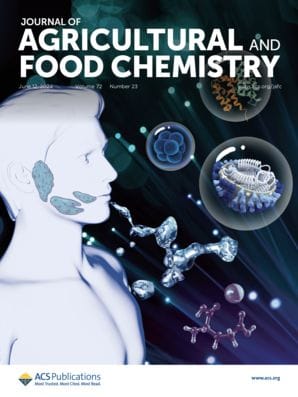
Freeze-dried ginger is great, but it’s pricey. To address this, a team developed a cost-effective spray-drying method for ginger powder by reintegrating natural ginger fibers as a carrier, avoiding the need for added materials. This process reduced stickiness during drying and boosted the concentration of key aroma compounds, resulting in a ginger powder with richer scent than frozen ginger and nearly double the total odorant concentration.
Read the full article
Characterization of the Aroma Profile of Ginger Powder Produced by a Split-Stream Spray-Drying Process
Jiaqi Liang, Julia Heimbach, Youfeng Zhang, Marina Rigling, Can Xiang, Dan Qin, Lin Zhu, Shivani Bipul Kumar Das, Reinhard Kohlus*, and Yanyan Zhang*
DOI: 10.1021/acs.jafc.4c00991
DOI: 10.1021/acs.jafc.4c00991
Nutmeg
Nutmeg’s Neuroprotective Power
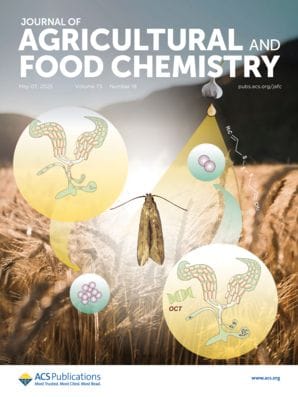
Beyond adding warmth and flavor to many a holiday bake, nutmeg may also help fight neuroinflammation. Researchers have discovered new compounds in the spice, including one that protects brain cells and reduces inflammation by targeting key signaling pathways. It even improved movement in a worm model, hinting at future nutraceutical potential.
Read the full article
Furan Acids from Nutmeg and Their Neuroprotective and Anti-neuroinflammatory Activities
Tam Thi Le, Son Hung Tran, Sohyun Lee, Suk Woo Kang, Ji Hoon Kim, Keunwan Park, Chung Sub Kim, Myungsuk Kim, Kyungsu Kang*, and Sang Hoon Jung*
DOI: 10.1021/acs.jafc.5c02528
DOI: 10.1021/acs.jafc.5c02528
Nutmeg (the Dataset): Smarter Simulations for Small Molecules
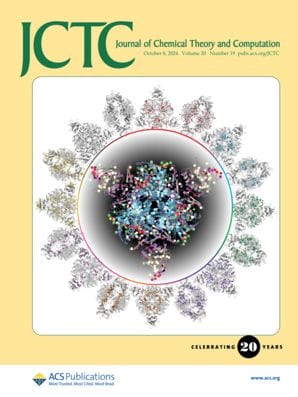
This next article isn't about nutmeg in the literal sense, but it’s too clever not to mention. Scientists have released version 2 of the SPICE dataset, a massive collection of quantum chemistry calculations designed to train machine learning models. They used this data to build a set of energy functions called Nutmeg, which can accurately predict how molecules behave, even for tricky charged or polar compounds. Thanks to a new way of handling charge information, Nutmeg models are fast, reliable, and ready for routine simulations in drug discovery and molecular research.
Read the full article
Nutmeg and SPICE: Models and Data for Biomolecular Machine Learning
Peter Eastman*, Benjamin P. Pritchard, John D. Chodera, and Thomas E. Markland
DOI: 10.1021/acs.jctc.4c00794
DOI: 10.1021/acs.jctc.4c00794
Clove
Clove Oil: A Natural Solution for Peanut Safety
Peanut farmers in Georgia face big losses every year from toxic mold, thanks to Aspergillus flavus and its carcinogenic aflatoxin B1. This study put clove essential oil to the test as a safer, plant-based alternative to chemical fungicides. Results showed a dramatically reduced aflatoxin levels in infected organic peanuts, even at low concentrations. Clove oil could offer growers a practical, eco-friendly way to protect crops and keep food safer for everyone.

Read the full article
The Efficacy of Clove Oil Against Aspergillus flavus and the Production of Aflatoxin B1 in Organic Peanuts in Georgia
Ari J. Schwartz, Md Ackas Ali, Mohammad A. Halim, and Premila N. Achar*
DOI: 10.1021/acsomega.5c06467
DOI: 10.1021/acsomega.5c06467
Natural Preservatives for Better Buttermilk
Scientists looked into clove and thyme essential oils as natural ways to keep buttermilk fresh and flavorful. In tests, clove oil packed a punch with strong antioxidant and antibacterial properties, while thyme oil stood out for boosting aroma and taste. Both oils helped preserve beneficial bacteria in buttermilk and kept it safe over several days of storage. By combining lab tests with molecular modeling, the study shows how these plant-based oils can replace synthetic preservatives, delivering shelf life, safety, and flavor.
Read the full article
Clove and Thyme Essential Oils: From Molecular Docking to Food Application─A Study of Their Preservative Properties in Buttermilk
Mohamed Raafat Atteya, Ramy M Romeilah, Khaled M. A. Ramadan, Hossam S. El-Beltagi*, Ahmed Maher Gaber, Sallah A. Al Hashedi, Nada Ali AboZaid, Mohamed A. A. Mahmoud*, Rania Youssef, Rasha A. Mohamed, and Eslam S.A. Bendary
DOI: 10.1021/acsomega.4c11538
DOI: 10.1021/acsomega.4c11538