There is growing demand for foods with added nutritional benefits. Researchers are now exploring whether a familiar condiment could deliver extra protein with the help of microalgae.
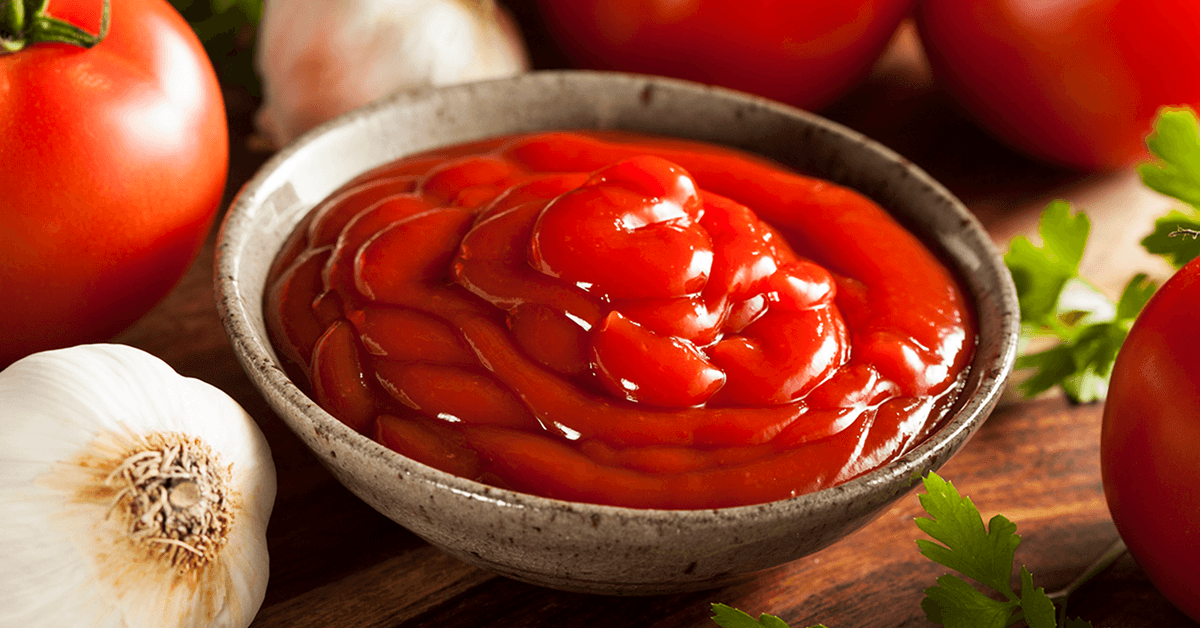
Many foods now come with extra protein, from cereals and snack bars to pasta and beverages. In a new study published in ACS Food Science & Technology, researchers set out to explore whether tomato ketchup could join that list of protein-boosted products — with a little help from a guest ingredient the average condiment consumer may not expect.
Why add protein to ketchup?
Condiments aren't typically where most people look for significant nutrition. Tomato ketchup is widely consumed and shelf-stable, but it generally contains little protein and relatively high levels of sugar and salt. For food chemists, however, those same characteristics make ketchup an appealing vehicle for functional ingredients.
The researchers wanted to determine whether a protein-enriched ketchup could offer additional nutritional value without compromising the qualities consumers expect from the popular condiment. To do this, they evaluated the nutritional, functional, microbial, and sensory effects of fortifying ketchup with protein isolates from Chlorella vulgaris, a protein-rich green microalga. Rather than adding whole algal biomass, the team extracted and isolated the proteins before incorporating them into ketchup recipes containing between 1% and 13% algal protein. They then assessed the products' nutritional content, antioxidant activity, microbial safety, and sensory qualities.
In the highest-protein formulation, protein content rose from 1.6% to 6.3%, nearly a fourfold increase, along with higher levels of several essential amino acids. The added algal protein also increased antioxidant activity and boosted levels of several minerals, including iron, magnesium, calcium, and potassium. The researchers found that microbial counts remained within safe limits across the formulations.
Finding the right balance between nutrition and taste
The biggest challenge was maintaining the familiar qualities that ketchup users expect. A sensory panel of 15 student volunteers evaluated the samples and found that formulations containing about 3% to 5% algal protein maintained acceptable color, flavor, and texture. At higher concentrations, the algal taste and greenish color became more noticeable, making the products less appealing despite the additional nutritional benefits.
The results suggest that moderate amounts of microalgae-derived protein could enhance the nutritional profile of ketchup without noticeably changing the condiment's sensory characteristics. The authors note that larger consumer studies, shelf-life testing, and commercial-scale development will be needed before protein-fortified ketchup could reach store shelves.
Browse related articles in ACS journals
Algae Processing: Harnessing a Sustainable Protein Source to Combat Food Insecurity
Choon Hui Tan, Ching Lik Hii, Ahmad Ibrahim, Serene En Hui Tung, Apurav Krishna Koyande, Kalvin Meng Jun Chuo, Mrudula Guggilla, Pascal Degraeve
DOI: 10.1021/acsfoodscitech.5c00443
Comprehensive Analysis of Chlorella vulgaris and Arthrospira platensis: Algae for Food Well-Being and Sustainable Agriculture
Natália Čmiková; Milena D. Vukić; Nenad L. Vukovic; Jaroslav Havlík; Luis Noguera-Artiaga; Ángel A. Carbonell-Barrachina; Ivona Jančo; Vittorio Vinciguerra; Stefania Garzoli; Miroslava Kačániová
DOI: 10.1021/acssuschemeng.5c13850
Bio-Upcycling of Food Waste into Carotenoids Using Microalgae
Priyanka Suthar; Rakesh Sharma; Satish Kumar; Neha Gautam; Pankaj Sharma; K. C. Dileep; Priyanka Rana; Monika Thakur
DOI: 10.1021/acsfoodscitech.5c00673
Nutrient Matrix-Supplying Hydrogel for Chlorella vulgaris Promotes Diabetic Wound Healing
Hong Zhang; Dongxu Liu; Yang Lv; Chengyu Liu; Xueting Cao; Jinlong Dai; Yinghui Chai; Wen Chen
DOI: 10.1021/acsbiomaterials.5c01857
Effects of Chlorella vulgaris and Probiotic Dietary Supplementation on Performance, Apparent Digestibility, and Gut Morphology of Post-weaning Piglets
Miguel F. Pedro; Daniela F.P. Carvalho; Cátia F. Martins; Darina Kohútová; Obete Madacussengua; Mário Pinho; Susana P. Alves; Luís Ferreira; Margarida R.G. Maia; António J.M. Fonseca; Ana R.J. Cabrita; Miguel P. Mourato; André M. Almeida; Rui J.B. Bessa; João P.B. Freire
DOI: 10.1021/acsagscitech.4c00741
Get e-Alerts
Stay Connected With ACS Food Science & Technology
Never miss an issue again! Sign up now for email updates on future calls for papers, the latest articles, and other content from ACS Food Science & Technology.