
Seven emerging researchers recognized with poster prizes at the ACS150 JACS Symposium in Cape Town. Learn more about the winners and their outstanding research.
Continuing the ACS150 Celebrations, ACS Publications hosted the seventh ACS150 JACS Symposium Series event at the University of Cape Town this September.
Aligned with the theme, “Molecules to Medicine: Advancing Health Innovation in Africa,” the symposium brought together leading researchers and marked a historic milestone as the first ACS Publications symposium ever held on the African continent.
The Editors-in-Chief of JACS, ACS Medicinal Chemistry Letters, and ACS Infectious Diseases participated alongside invited speakers. Over a day and a half of programming, more than 200 researchers attended the symposium, which featured 10 keynotes, seven Lightning Talks, and a JACS in Conversation panel discussion focused on scholarly publishing and peer review. You can view the on-demand recordings when available.
The symposium also provided opportunities for networking and collaboration, while showcasing research from graduate students, postdoctoral researchers, and early-career scientists throughout Africa.
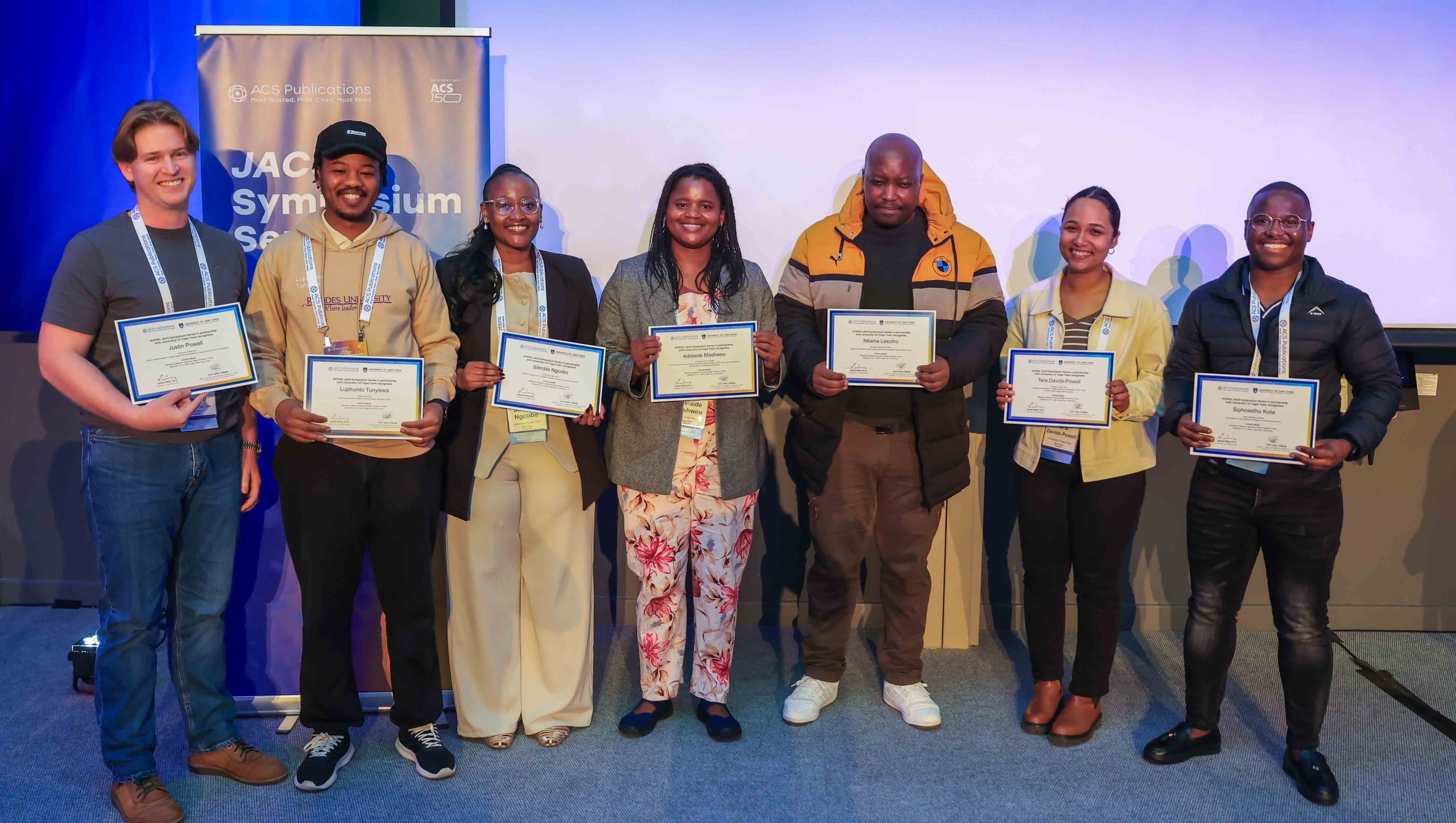
One of the symposium’s highlights was the poster session, which featured research from emerging scientists across Africa. Seven posters were selected for recognition by the symposium judges and the Scientific Organizing Committee. Please join us in congratulating the Poster Prize Winners of the ACS150 JACS Symposium Series in Cape Town.
Meet the Poster Prize Winners:
Tara Davids-Powell
Siphosethu Kota
Ntlama Lesotho
Adelaide Mashweu
Silindile Ngcobo
Justin Powell
Luphumlo Tunyiswa
Tara Davids-Powell
Winning Poster: Synthesis and Elucidation of Peptide Mimicking Small Molecules Which Target the HOP-Hsp90 Protein-Protein Interaction
Research Area: Drug Discovery & Therapeutics
What inspired you to pursue your area of research?
Chemistry has always fascinated me because of how “tangible” it is and how present it is in the world around all of us. My Ph.D. research came from an exciting opportunity at the end of my Master’s. My current supervisor (Prof. Clinton Veale) was establishing a peptide research unit at UCT, using native mass spectrometry to study protein–protein interactions. I was really drawn to the opportunity to pursue something new. It has also been incredibly rewarding to contribute to establishing this research capability at the University of Cape Town and to be part of developing native mass spectrometry research in Africa.
Who are your mentors? How have they impacted your work so far?
My primary supervisor, Prof. Clinton Veale, has been instrumental in my academic career. His passion and enthusiasm for research and teaching have created an engaging and supportive research environment. One of the most valuable things he has taught me is to approach a Ph.D. as a process of learning. Every result, whether positive or negative, presents an opportunity to learn and can contribute to the knowledge of the research group and the wider chemistry community. Under Prof. Veale’s supervision, I’ve developed new technical skills and a deeper understanding of organic chemistry, but I’ve also gained a more resilient and curious approach to research.
What inspired the idea for the research presented in your poster?
The research presented in my poster builds on a series of previous publications and studies conducted by my supervisor and his collaborators. Those studies raised several interesting questions that remained unanswered, which provided the starting point for my research. My project therefore aims to build on that existing work while addressing some of these gaps and furthering our understanding of the system.
What advice would you give to someone presenting a poster or giving a talk for the first time?
My first piece of advice would be to remember that no one knows your project better than you do — you’ve done the hard work. I think good scientific communication is about being able to break your research down so that even someone outside your field or an undergraduate student can understand the key ideas and why your work matters. Finally, it’s okay not to know all the answers to the questions you’re presented with. Presentations are a great opportunity to hear new perspectives, so take the questions and suggestions as an opportunity to learn and potentially bring new ideas into your research.
What do you think is the most important unsolved problem in your field right now?
I think one of the most topical problems in medicinal chemistry is how to effectively target protein–protein interactions with small, drug-like molecules. Many biologically important interactions involve large, relatively flat protein surfaces rather than the well-defined pockets that conventional drugs typically bind to. This makes it challenging to design molecules that have sufficient affinity and selectivity while also having the physicochemical properties needed to become viable drugs.
Siphosethu Kota
Winning Poster: The Continuous Flow Synthesis of Enalapril, An Anti-Hypertensive Drug
Research Area: Chemical & Molecular Biology Methods
What inspired you to pursue your area of research?
Hypertension is a condition that is common in my family. As such, I thought raising awareness for hypertension and being one of the scientists that contribute to bringing solutions for hypertension is something that I felt I needed to do.
Who are your mentors? How have they impacted your work so far?
My mentor and supervisor is Prof. Paul Watts, a renowned figure in the field of Flow Chemistry, which is what my work is about. Prof. Watts inspires his students to work hard and this comes from the fact that we witness him work hard for the success of our research.
What inspired the idea for the research presented in your poster?
My passion for the synthesis of medicinal drugs inspired the idea and also the desire to contribute to the fight against hypertension. After all, amongst people, it is the biggest contributor to loss of life worldwide. Therefore, finding solutions to something of this magnitude is something I wanted to be involved in.
What advice would you give to someone presenting a poster or giving a talk for the first time?
For a poster: Avoid paragraphs, use bullet points rather; have more images, sketches, diagrams, etc.; present your poster like you are talking to a friend. For a talk: Prepare well and be confident.
What do you think is the most important unsolved problem in your field right now?
There is a lack of use of continuous flow chemistry to synthesize anti-hypertensive drugs. This is particularly evident in the African continent where the impact of flow chemistry is sorely needed.
Ntlama Lesotho
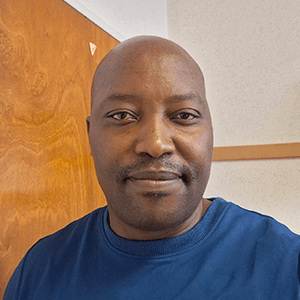
Winning Poster: Design and Synthesis of Wound Healing Adamantane-Conjugated Collagen Peptide Mimics
Research Area: Drug Discovery & Therapeutics
What inspired you to pursue your area of research?
I was inspired by the challenge of solving complex scientific puzzles, and peptides present a fascinating intersection of chemistry and biology where such puzzles abound. Their versatility as therapeutic agents, structural models, and biochemical tools offers endless opportunities to address pressing medical and technological problems.
Who are your mentors? How have they impacted your work so far?
Prof. Maya Makatini impacted my work greatly. All the knowledge I am applying now is what I gained while studying under her tutelage.
What inspired the idea for the research presented in your poster?
Hunger to provide answers to unresolved medical problems such as chronic wound healing.
What advice would you give to someone presenting a poster or giving a talk for the first time?
Tell a clear story, simplify visuals, practice your pitch, be confident, and leave a takeaway. Clarity, confidence, and connection are the three pillars that make both poster and oral presentations a success.
What do you think is the most important unsolved problem in your field right now?
Chronic wound healing.
Adelaide Mashweu
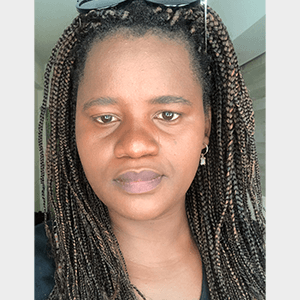
Winning Poster: From Non-Canonical Amino Acids to Fluorescent Peptide Hydrogels: Short-Chain Lysine Homologues as Building Blocks for Biomedical Soft Materials
Research Area: Biomaterials Applications in Medicine
What inspired you to pursue your area of research?
During my Master’s degree I worked on enzymes and enjoyed working on them, therefore the opportunity to work on amino acids and peptides as they are closely related excited me. As I got to work in this field, I then understood the relevance of drug delivery and its significance as a whole as there are therapeutic drugs that perform well; however, they have poor bioavailability. Therefore, peptide hydrogels, which serve as drug delivery systems, can be used to improve that.
Who are your mentors? How have they impacted your work so far?
Prof. Vladimir Azov has motivated me to learn from experts in the field by offering me the opportunity to attend conferences abroad and to work in international labs through collaborations. This allowed me to learn from others, which has greatly impacted how I think and has given me ideas about my future research projects. This opportunity to work in international labs has also allowed me to make connections that will potentially become collaborators in the future. More than anything, Prof. Azov has made me realize how I am more than capable of achieving anything I put my mind to.
What inspired the idea for the research presented in your poster?
The theme of the conference “Molecules to Medicine: Advancing Health Innovation in Africa” motivated the research I presented. We have synthesized fluorescent peptide hydrogels, which can serve as a drug delivery system to improve the bioavailability of therapeutic drugs and can also be applied in biosensing and real time bioimaging. Therefore, we believe the theme of the conference was in alignment with the kind of research we do.
What advice would you give to someone presenting a poster or giving a talk for the first time?
Don’t panic or stress, just relax and go with the flow. You are the one doing the work in the lab, so just relax and explain what you have been doing.
What do you think is the most important unsolved problem in your field right now?
I think drug loading capacity of peptide hydrogels is an unresolved problem at the moment.
Silindile Ngcobo
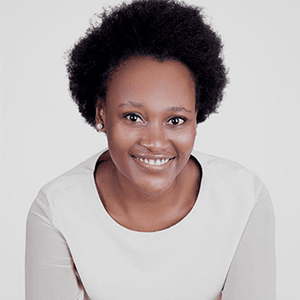
Winning Poster: Heparin-conjugated fibrin hydrogels for sustained therapeutic growth factor delivery
Research Area: Biomaterials Applications in Medicine
What inspired you to pursue your area of research?
I was drawn to biomaterials because of its potential to translate scientific knowledge into technologies that can directly address health and disease. It is a field where materials can be deliberately engineered to interact with biological systems, creating opportunities to improve how therapies are delivered, how diseases are studied, and ultimately how patients are treated. I was also motivated by the fact that biomaterials is still a growing field in Africa. There is an opportunity not only to advance the science, but to develop locally relevant and accessible technologies for the health challenges faced across the continent. This is particularly important where there is a need for effective and adaptable therapeutic delivery systems, diagnostics and disease models that take into account the realities of African populations and healthcare settings.
My research has therefore focused on developing biomaterial systems that can address these challenges, including hydrogel-based platforms for controlled therapeutic delivery. More broadly, I am interested in how these platforms can be refined into technologies that support disease research, therapeutic screening and more effective treatment strategies. For me, this connects directly to the broader goal of improving health while building scientific and technological capacity. Reducing the burden of disease can have effects far beyond healthcare: healthier people are better able to learn, work, and participate in their communities and economies. This is why I see biomaterials not only as an exciting scientific field, but as an opportunity to contribute to health innovation that is relevant, accessible, and sustainable in Africa.
Who are your mentors? How have they impacted your work so far?
Professor Neil Davies, who supervised my Ph.D., has been an important mentor and continues to influence how I approach both research and career development. He is exceptionally thorough in his work, and working under his supervision taught me the importance of scientific rigor, careful thinking and attention to detail. He continues to provide guidance as I develop my research direction and navigate my career. The late Professor Deon Bezuidenhout, who co-supervised my Ph.D., also had a significant influence. As a polymer scientist, he modelled thinking beyond the immediate research question and considering how biomaterials as delivery vehicles could address unmet healthcare needs. He was insightful and forward-thinking in his approach to research and translation in health. Together, Prof. Davies and Prof. Bezuidenhout established a strong research platform, including longstanding work with PEG hydrogel delivery systems, which provided the research environment in which my doctoral work developed. Both mentors have shaped the way I think about science: to be rigorous in the work, to ask questions that are locally relevant to healthcare, and to consider how biomaterials and scientific innovation can contribute to addressing disease burden.
What inspired the idea for the research presented in your poster?
The idea for this research came from a fundamental challenge in therapeutic delivery: how can we deliver biological molecules such as growth factors in a way that is controlled, sustained, and effective within the biological environment? Growth factors have important roles in processes such as tissue repair and vascularization, but their therapeutic effects can be limited when they are rapidly cleared or degraded after administration. We were therefore interested in developing a biomaterial system that could provide a more controlled delivery environment. Hydrogels are particularly interesting for this purpose because they are hydrated, water-rich networks that can retain substantial amounts of water and create an environment that shares some characteristics with the hydrated biological environment of human tissues. This makes them useful as delivery platforms for biological molecules, while their network structure can also be engineered to influence how those molecules are retained and released.
An important consideration was therefore the choice of biomaterial itself. We carefully selected materials that could provide an appropriate biological environment while also supporting the retention and sustained delivery of therapeutic growth factors. We were also interested in developing the system using locally available resources, making the approach more accessible and relevant to the African research context. Fibrin stood out as a strong candidate because it is biocompatible, biodegradable and already plays an important role in the body’s natural wound-healing process. Because fibrin is derived from fibrinogen, a naturally occurring protein involved in blood clot formation, we were able to build on a biological system that the body already uses during tissue repair. We then incorporated heparin to slow the release of the growth factors, taking advantage of the natural interaction between heparin and growth factors to help retain them within the hydrogel for longer. What excites me about this work is that it goes beyond developing a material for its own sake. It is about asking how we can use biomaterials to solve real problems in healthcare and develop technologies that are practical and relevant to our context. For me, that is an important part of health innovation in Africa: developing scientifically sound solutions using the resources available to us, with the longer-term goal of improving health and reducing disease burden.
What advice would you give to someone presenting a poster or giving a talk for the first time?
The work begins long before it is presented. It begins with asking a good research question, doing the laboratory work thoroughly, understanding your results, and being genuinely excited about the work you have done. Take your work seriously and prepare well. Read the instructions and guidelines for the presentation carefully and use them to guide how you communicate your science. For example, ACS provided us with clear guidelines for the poster, which gave us a useful framework while still allowing us to be creative in how we presented our work. When it is time to present, take your time. Whether one person or a large group comes to you, give each person the same level of attention and enthusiasm. Explain your work with scientific rigor, but also with excitement. If you understand your work and care about the question you are trying to answer, that comes through in how you communicate it. And finally, remember that presenting is not just about showing people what you did; it is an opportunity to share work that you have invested time and thought into, learn from others, and have conversations that can take the research further.
What do you think is the most important unsolved problem in your field right now?
I think one of the exciting challenges is understanding how we can make therapeutic delivery systems more responsive to the biological environment. Biomaterials are already providing valuable platforms for delivering therapeutics in a more controlled way, but I think there is an opportunity to build on this by designing systems that can perform more than one function or respond to different aspects of their biological environment. For example, I am interested in how we can develop multifunctional hydrogel systems that can deliver two complementary therapeutic agents, or combine different material properties to support a more targeted biological response. There is also interesting work emerging around the bioelectric properties of biomaterials, where the material itself can contribute to regulating the biological environment alongside therapeutic delivery. I also think hydrogels have an exciting role beyond delivery, particularly as 3D platforms for disease modelling, where they can help us create more physiologically relevant environments for studying disease and testing potential therapies. I also think there is an important opportunity, particularly in Africa, to explore naturally derived and locally available materials. These materials can have useful biological properties, and combining those properties with controlled delivery could allow us to develop approaches that are both scientifically interesting and relevant to our local context.
Justin Powell
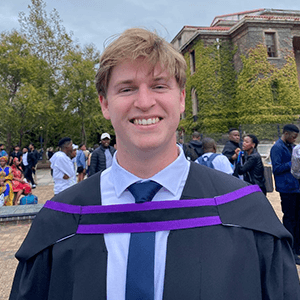
Winning Poster: Indole vs Benzothiophene: Lessons Learnt in the Total Synthesis of Dicorynamine and its Thia-analogues
Research Area: Natural Products Synthesis
What inspired you to pursue your area of research?
It is hard to say what my exact inspiration was, but I have always been intrigued with understanding how and why things work. From motorcycles to watches, I have been drawn to understanding the mechanism behind their function. When I began my undergraduate chemistry and biology courses, rather naturally then, I realized that we can also study/determine how creation operates at a microscopic level. From there I fell in love with biochemistry and the function of proteins, ultimately leading to a strong desire to explore the function and thereby synthesis of biologically relevant organic molecules.
Who are your mentors? How have they impacted your work so far?
My mentors are my supervisor, Dr. Marwaan Rylands, and my undergraduate lecturer, Associate Professor Clinton Veale, who have taught me to love organic chemistry. During my undergraduate degree Prof. Veale showed me that chemistry is like art, not to be feared but rather approached eagerly, seeking patterns that can be broadly applied. Ultimately, I found my true joy during my BSc (Honours) project with Dr. Rylands, where the rabbit hole went deeper than we ever imagined. During the project he taught me how to look beyond a failed reaction and find what else could possibly be at play. I could not be where I am today without the skills (and mindset) that they have instilled in me.
What inspired the idea for the research presented in your poster?
This project began as a ‘simple’ 10-week BSc (Honours) project; however, it was quickly realized that the reactivity of benzothiophene was unexplored within literature and could not be directly compared to indole. The idea of ‘going where few have gone before’ is entirely captivating for me, so it seemed natural to pursue the synthesis of novel analogues while simultaneously probing the reactivity of an under-explored scaffold. Additionally, knowing that someday in the future this knowledge will aid in the synthesis and design of notable natural products and/or druggable molecules is quite fulfilling. This feeling is something I share with Dr. Rylands and I believe to be the key to our continuous growth as mentor and mentee.
What advice would you give to someone presenting a poster or giving a talk for the first time?
Frame your poster or talk around the question: How can I teach my audience? We often assume or fear that our audience is ‘out to get us’, but realistically you (as the speaker/researcher) know your project/topic the best. Therefore, use the opportunity to share what you have learnt such that you can engage your audience and perhaps make them see your topic in a new light, not shying away from sharing new (and reasonable) hypotheses but also welcoming discussion where you are uncertain. Finally, a poster is an art form. Captivate the viewer’s eye first, and their brain later.
What do you think is the most important unsolved problem in your field right now?
Personally, I think that in organic chemistry (and chemistry as a whole) there will always be countless, important, yet unsolved, problems. Specifically in the field of natural product synthesis, the challenge has, and probably always will be, striving to achieve the complexity that nature does best.
Luphumlo Tunyiswa
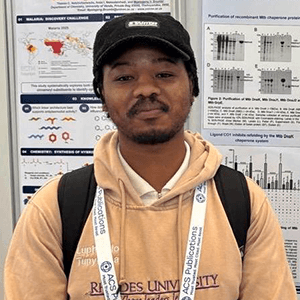
Winning Poster: Screening for selective inhibitors of Mycobacterium tuberculosis DnaK
Research Area: Infectious Diseases & Resistance
What inspired you to pursue your area of research?
During my honours studies, I was fortunate to be introduced to molecular chaperones, proteins that help refold other proteins into their correct structure so they can function properly. They are at the forefront of resistance in many diseases. I wanted to learn more and that was the main reason for pursuing research.
Who are your mentors? How have they impacted your work so far?
Prof. Adrienne L. Edkins, Dr. Ronald Tonui, Dr. Clifford M. Ntui, and Dr. Ruth Omoti John. My mentors have a genuinely positive attitude toward learning. They really helped shape the way I view research, and now it is fun. I genuinely want to go to work and learn. There, I will probably learn a cool technique, and I love that. They know I am learning, and I love the way they are guiding me. Regarding the impact they have on my studies, all I can say is that the impact is positive!
What inspired the idea for the research presented in your poster?
We wanted to share some of the work we did during my master’s and get different perspectives on the main screening tools we used. I wanted to know if we could find other tools to improve our work.
What advice would you give to someone presenting a poster or giving a talk for the first time?
Have a positive mindset for your work, and don’t think negatively about it. Believe that the audience and the judges are genuinely interested and want to learn. If you are scared, people can see it, so try to stay as calm as you can.
What do you think is the most important unsolved problem in your field right now?
Multidrug-resistant TB is a huge issue because it’s difficult to treat and is associated with many side effects. This study looks at Mycobacterium tuberculosis DnaK, as it’s proven to be involved in resistance in Mycobacterium tuberculosis. We aim to find a solution for multidrug-resistant TB by selectively targeting Mycobacterium tuberculosis DnaK and not the human HSP70.
Learn More About the ACS150 JACS Symposium Series
The American Chemical Society commemorates its 150th anniversary in 2026. To mark this historic milestone, ACS Publications presents the JACS Symposium Series: eight exclusive, international, in-person events to inspire researchers worldwide. Learn more and view on demand!
