Research in ACS journals sheds light on how these celebratory displays’ residues may affect wildlife, water, and air quality.

A burst of new data has ignited a better understanding of how fireworks impact the environment. Three recent studies comb through pyrotechnics’ fallout, analyzing litter, particulate matter, and airborne compounds. These papers, published in ACS journals, provide insights into what happens after the sparkles fade and explain the potential impacts on human health and the environment.
Firecracker litter kindles change in water chemistry
After firecrackers flare out, they leave behind residue containing partly burned fuel and additives, metal salts, and charred packaging. A lab study published in Environmental Science & Technology found that this residue released substantial amounts of metal ions (e.g., potassium and manganese) and dissolved organic matter (e.g., simple phenols and sulfur-containing compounds) into lake and river water. Simultaneously, the solid residues adsorbed existing dissolved substances, such as larger, more complex compounds, from the water. The researchers say these chemical changes could disturb microbial activity and aquatic life, especially if litter washes into rivers or lakes from intensive or recurring festive events. Simply cleaning up spent firecrackers properly can help reduce these impacts.
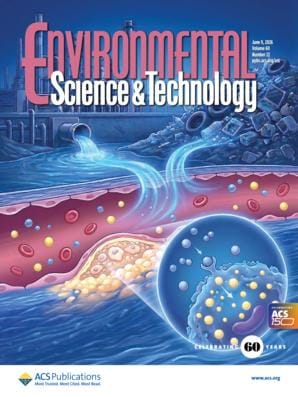
Molecular-Level Perturbations of Dissolved Organic Matter Driven by Episodic Firecracker Residue Leaching
Guan-Lin Chen, Meng Du, Chen Qian*, and Han-Qing Yu*
DOI: 10.1021/acs.est.6c01478
DOI: 10.1021/acs.est.6c01478
Celebratory emissions come from multiple sources
Communities often have fireworks at major events, but how these displays affect air quality compared to other sources isn’t clear. So, researchers reporting in ACS ES&T Air monitored particulate matter at a large, multi-day U.K. athletic competition. They observed significant short-term increases in coarse and fine particles and traced them to cooking aerosols from vendors and dust kicked up by vehicles. The opening and closing ceremonies each produced two spikes in fine particles: one from dust as attendees arrived and a second, slightly smaller one from firework displays. The researchers estimate that people who attended all the events exceeded recommended limits for air pollutants set by the World Health Organization, highlighting celebratory events as a route of exposure to fine particulate matter.
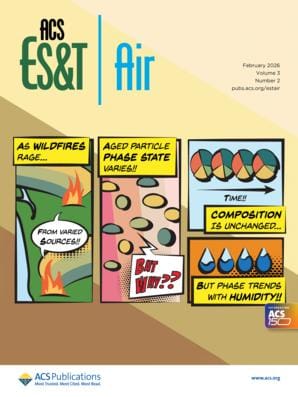
The Impact of Hospitality on Air Quality at a Major Sporting Event
W. Joe F. Acton*, Vipul Lalchandani, Mao Du, Siqi Hou, Deepchandra Srivastava, Zongbo Shi, and William J. Bloss
DOI: 10.1021/acsestair.5c00142
DOI: 10.1021/acsestair.5c00142
Post-burst haze is more than just ash
Some firework formulations contain compounds called amines that can react in the air to form aerosols that contribute to haze and poor air quality. So, a group of scientists wanted to investigate whether amines are consumed during firework explosions or spewed into the air. They measured the compounds in gases and particles during Lunar New Year celebrations in a suburban area in China. These initial findings, reported in Environmental Science & Technology Letters, showed substantial increases in several amines compared to a non-celebratory period — especially during the biggest displays — along with other firework-related pollutants such as fine particulate matter and sulfate and potassium ions. The researchers say the results indicate how fireworks may contribute more than just smoke to post-celebration haze.
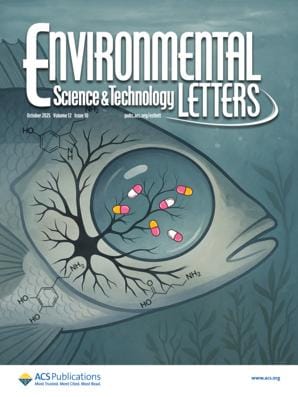
Firework Display Is a Newly Identified Source of Gaseous and Particulate Amines
Lin Gui, Yu Xu*, Yi-Jia Ma, Ting Yang, Hong-Wei Xiao, Hao Xiao, and Hua-Yun Xiao
DOI: 10.1021/acs.estlett.5c00806
DOI: 10.1021/acs.estlett.5c00806
Explore More Fireworks Science
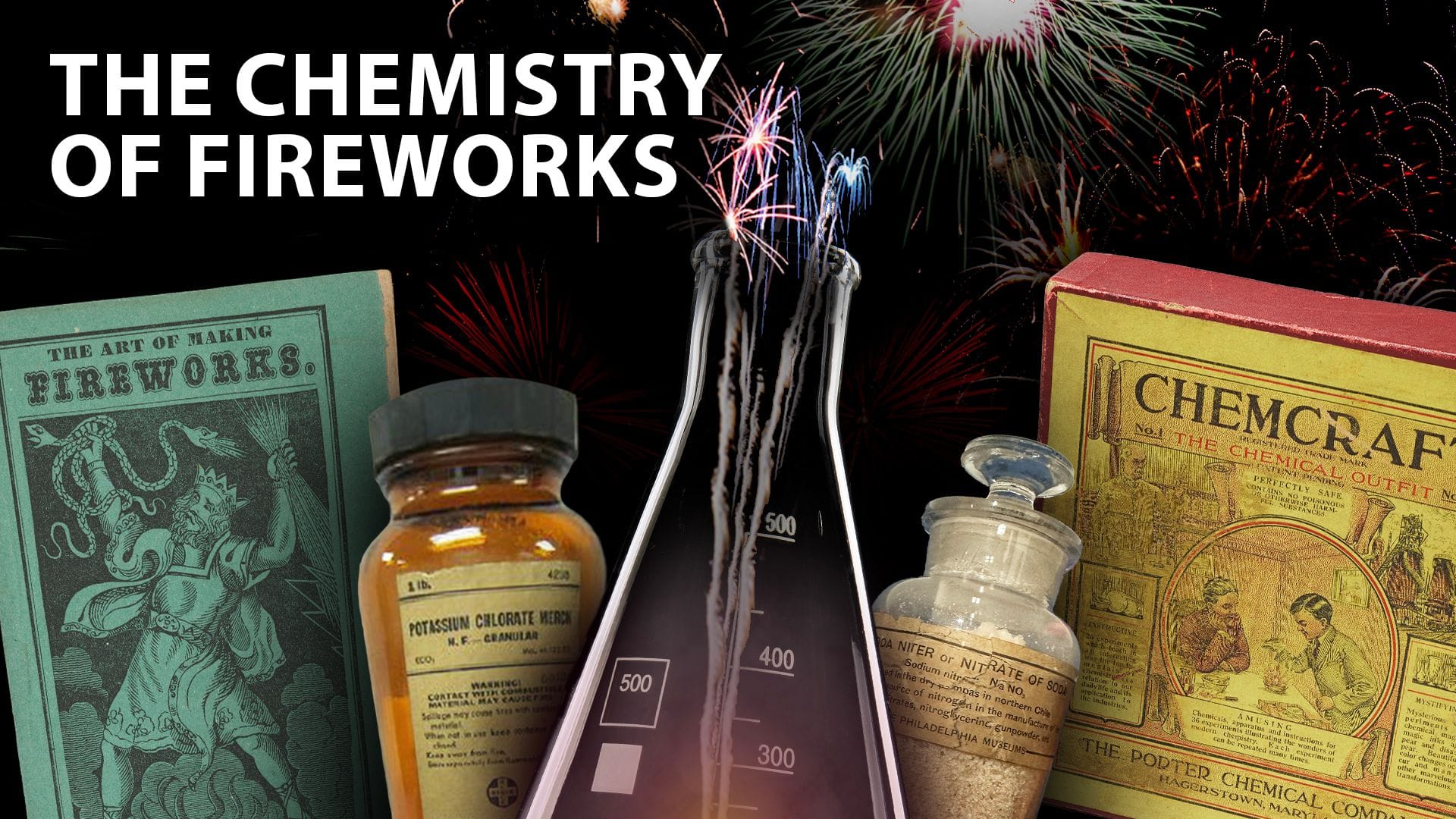
A recent video by ACS in collaboration with the Science History Institute outlines the chemical history of fireworks (you can also watch this video below). Additionally, the ACS Webinars’ production “Flash! Bang! Boom!” provides a longer overview of the same topic.
The content above is brought to you by the ACS Science Communications team. Browse more science news releases covering exciting discoveries from ACS journals.