

New editors bring new experiences, perspectives, and ideas to their publications. Get to know some of ACS Publications' latest senior, associate, and topic editors and the unique gifts they bring to their respective journals.
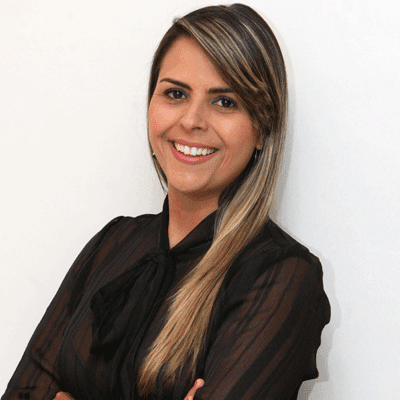
Carolina Horta Andrade, Associate Editor, ACS Omega
What is your research focus? What initially attracted you to your field?
My research focuses on Computer-Assisted and Artificial Intelligence (AI)-oriented Drug Design, aiming at discovering new drug candidates for Neglected and Emerging diseases. My work is also focused on the development and application of AI tools and QSAR models for the prediction of toxicity properties of chemical compounds, and the development of web platforms as alternatives or complement for animal testing. Our major software tools are publicly available in LabMol web portal www.labmol.com.br. I am Pharmacist by training, and I was first attracted to the Medicinal Chemistry field due to the fascinating world of designing discovering new drugs.
What do you hope to bring to your journal?
I hope to bring more visibility and to promote ACS Omega to the Medicinal and Computational Chemistry communities mainly in Brazil and in Latin America.
What are the major challenges facing your field today?
The use of computational tools that must deliver experimentally validated hypotheses enabling the discovery of novel drugs, and that open science and rapid sharing of results that are critical to accelerate the development of novel therapeutics for neglected, emerging and rare diseases.
What do you think is the most interesting and/or important unsolved problem in your field?
Target-based drug discovery, in part owing to the complexities of biological systems and pathophysiology, and the development of multi-target drugs for complex diseases.
Do you have a recent paper in an ACS journal that you'd like to highlight?
I am really proud of our recent paper published in JCIM, showing the results of our open science worldwide project OpenZika, in partnership with IBM’s World Community Grid, which main goal was to accelerate drug discovery for Zika and other emerging viruses. This paper highlighted the importance of the integration of computational and experimental approaches, as well as the benefits of a collaborative network leveraging crowdsourcing resources and open science to advance drug discovery projects for these neglected and emerging viruses. The importance of these efforts rests with the need to be prepared for future viral epidemic and pandemic outbreaks.
Discovery of New Zika Protease and Polymerase Inhibitors through the Open Science Collaboration Project OpenZika
Melina Mottin, Bruna Katiele de Paula Sousa, Nathalya Cristina de Moraes Roso Mesquita, Ketllyn Irene Zagato de Oliveira, Gabriela Dias Noske, Geraldo Rodrigues Sartori, Aline de Oliveira Albuquerque, Fabio Urbina, Ana C. Puhl, José Teófilo Moreira-Filho, Guilherme E. Souza, Rafael V. C. Guido, Eugene Muratov, Bruno Junior Neves, João Hermínio Martins da Silva, Alex E. Clark, Jair L. Siqueira-Neto, Alexander L. Perryman, Glaucius Oliva, Sean Ekins, and Carolina Horta Andrade
J. Chem. Inf. Model. 2022, 62, 24, 6825–6843
DOI: 10.1021/acs.jcim.2c00596
Anything else you'd like readers to know about you?
I am a scientist and professor who is passionate about science. I am also committed to the cause of gender equality in science. In my lectures, I always try to encourage and help girls and women pursuing scientific careers. As a professor, I teach approximately 80 female undergraduate students each year in Pharmacy School, engaging also on discussions about women in science, empowerment and gender issues related to science. I am mother of two small kids, Manuela 4, and Gabriel 2, I love to cook with my husband and to play electronic music in our spare times. I also love to work out and do Yoga and Pilates.

Lauren Austin, Topic Editor, Molecular Pharmaceutics
What is your research focus? What initially attracted you to your field?
My research focus area has been on the formulation, optimization and characterization of nanoparticle-based systems for diagnostic and therapeutic applications. The nanoparticle systems have changed over the years, but the challenge of developing a scalable and robust system for biological applications has been consistent.
What do you hope to bring to your journal?
I hope to bring an industrial perspective to Molecular Pharmaceutics as well as help to continue to build the reputation and expand the readership of the journal.
What are the major challenges facing your field today?
Nanoparticle systems have many degrees of freedom that can make their development and scalability beyond the lab bench complex. Additionally, from a therapeutic point of view the use of nanoparticle drug delivery systems for systemic administration for targets beyond the liver has been a challenge.
What do you think is the most interesting and/or important unsolved problem in your field?
Due to the many degrees of freedom when developing nanoparticle-based systems, vigorous evaluations to understand the structure-activity-relationship from both a physiochemical and bioperformance perspective is critical. One of the major unsolved problems in this field is developing safe, tolerable and effective nanoparticle-based drug delivery systems when administered systemically for targets outside of the liver.
Do you have a recent paper in an ACS journal that you'd like to highlight?
Split-Dose Administration Enhances Immune Responses Elicited by a mRNA/Lipid Nanoparticle Vaccine Expressing Respiratory Syncytial Virus F Protein
Lauren A. Austin, Jeffrey S. Smith, Debbie D. Nahas, Andrew Danzinger, Susan Secore, Gregory O’Donnell, Scott Radcliffe, Shuai Hu, Jeffrey Perley, Andrew J. Bett, and Marian E. Gindy
Mol. Pharmaceutics 2023, 20, 1, 279–289
DOI: 10.1021/acs.molpharmaceut.2c00635

Jochen Autschbach, Associate Editor, Inorganic Chemistry
What is your research focus? What initially attracted you to your field?
My research is in theoretical chemistry, focusing on molecule-field interactions, response properties (spectroscopic parameters, for example), molecular dynamics, and relativistic effects. I was fascinated by the quantum theory lectures offered for undergraduate chemistry students at the university where I studied (Siegen, Germany), and I decided in my second undergraduate year that I would do my PhD research in this field.
What do you hope to bring to your journal?
I believe that my extensive experience of computational chemistry as applied to metal complexes will be beneficial to the Journal. Experimental inorganic chemistry has had a long and fruitful relationship with quantum chemistry, and many of the manuscripts that this Journal receives feature computational studies or are purely theoretical.
What are the major challenges facing your field today?
Spectroscopic parameters and other response properties of metal complexes, especially those with open shells, and especially when there are heavy atoms involved, are very challenging to calculate accurately. This requires on-going development of theoretical methods, and it requires building experience with the application of these methods to those challenging cases. The field has made tremendous strides in the past several decades, but Nature, for better or worse, has presented us with an extremely difficult situation. This will keep us theoreticians busy for a very long time to come.
What do you think is the most interesting and/or important unsolved problem in your field?
There are many :-) As far as the relationship between theoretical and inorganic chemistry is concerned, there is a lot of interest at present in the covalency of f-elements, and how it manifests itself in various types of spectroscopic measurements and in other properties (e.g., magnetism). These bonding-property relationships are in many cases not well understood.
Do you have a recent paper in an ACS journal that you'd like to highlight?
If this is the kind of stuff you like to read about, here is a recent study of actinide covalency that we published in Inorganic Chemistry.
Covalency of Trivalent Actinide Ions with Different Donor Ligands: Do Density Functional and Multiconfigurational Wavefunction Calculations Corroborate the Observed “Breaks”?
Xiaojuan Yu, Dumitru-Claudiu Sergentu, Rulin Feng, and Jochen Autschbach
Inorg. Chem. 2021, 60, 23, 17744–17757
DOI: 10.1021/acs.inorgchem.1c02374
Anything else you'd like readers to know about you?
I am passionate about educating the next generation of scientists and wrote a quantum chemistry textbook for undergraduates and graduate students. The advanced chapters (e.g. on response theory, relativistic quantum chemistry) are closely related to some of my research topics.
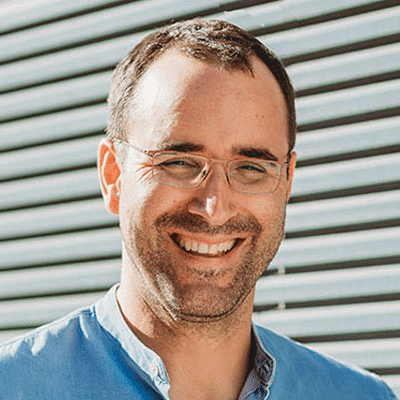
Gonçalo Bernardes, Associate Editor, Bioconjugate Chemistry
What is your research focus? What initially attracted you to your field?
My research sits at the interface of chemistry and cancer biology with a ‘bench to clinic’ approach. My research group has designed and developed strategies based on fundamental innovative chemical approaches for targeted therapeutics. Our aim and motivation is to one day help improving the treatment of cancer patients.
What do you hope to bring to your journal?
Bioconjugation chemistry involves any reaction that incorporates a modification into a peptide / protein / antibody / biomaterial. Such modification can either result in structural and / or activity changes. In addition, such reaction may be done in the test tube, cell, or even in an organism. Within this view, the uses of such bioconjugates as tools to provide new biological insight and to generate new candidates for disease treatment, imaging or diagnosis is of relevance. This description represents my view of the field of Bioconjugation, and the topics where BC should be a primary journal to report new and impactful findings.
What are the major challenges facing your field today?
One key challenge is translation of discoveries from the bench into the clinic. This is an area that would benefit from more integrated research — from physics to biology, from chemistry to medicine.
What do you think is the most interesting and/or important unsolved problem in your field?
I believe that the ability to perform quantitative measurements in a high-throughput manner in biology is a super important challenge that remains unsolved. Very often we are limited to test and visualise a biological process. Being able to quantify biological processes in a high-throughput manner will change the discovery process.
Do you have a recent paper in an ACS journal that you'd like to highlight?
I would like to highlight our work on how shear forces affect the rates of biomolecular reactions:
Accelerating Reaction Rates of Biomolecules by Using Shear Stress in Artificial Capillary Systems
Tuuli A. Hakala, Emma V. Yates, Pavan K. Challa, Zenon Toprakcioglu, Karthik Nadendla, Dijana Matak-Vinkovic, Christopher M. Dobson, Rodrigo Martínez, Francisco Corzana, Tuomas P. J. Knowles, and Gonçalo J. L. Bernardes
J. Am. Chem. Soc. 2021, 143, 40, 16401–16410
DOI: 10.1021/jacs.1c03681
The findings we reported have been highlighted by Derek Lowe on his In The Pipeline blog, in Nature Chemical Biology and in Chemistry World. This method uses biophysically mimetic microfluidic reactors to model the shear stresses that occur in capilliaries and the resultant effects on reactions and protein structure. This work provides an example on how chemistry-driven approaches improve our understanding of complex biological phenomena that will inform the next generation of therapeutics.
Anything else you'd like readers to know about you?
I was born in Torres Vedras, Portugal in 1980, and I completed my DPhil in Chemical Biology at the University of Oxford in 2008. I am a first-generation high-school and university graduate in my family. Family is everything to me, I did all education from university in Lisbon to DPhil Oxford with my wife Filipa who is also from Torres Vedras. We have two sons, Francisco and Guilherme. Finally, I suffer from spondylitis ankylosis which is debilitating disease and makes it difficult to sometimes have the strengthen to pursue our research goals. However, my research group makes everything easier with their motivation and great research. I am super lucky to work with so many bright and motivated students and postdocs for a variety of different nationalities and backgrounds.
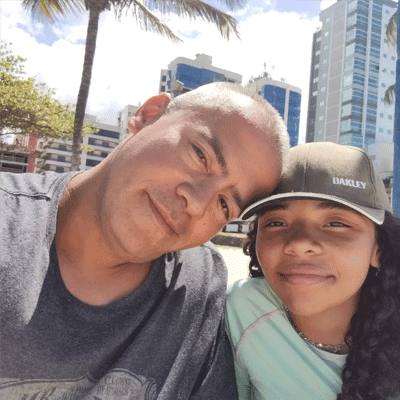
Endler Borges, Associate Editor, Journal of Chemical Education
What is your research focus? What initially attracted you to your field?
Analytical Chemistry and Chemical education. Teaching statistics using JASP, JAMOVI and R Commander.
What do you hope to bring to your journal?
Increase the Journal of Chemical Education audience and public. Popularize the science the use of open access statistics and chemometrics softwares for chemistry, science, and engineering teaching.
What are the major challenges facing your field today?
Statics and chemometrics teaching using open access software.
What do you think is the most interesting and/or important unsolved problem in your field?
Popularization of science, forming high level professionals.
Do you have a recent paper in an ACS journal that you'd like to highlight?
Hypothesis Tests and Exploratory Analysis Using R Commander and Factoshiny
Endler Marcel Borges
J. Chem. Educ. 2023, 100, 1, 267–278
DOI: 10.1021/acs.jchemed.2c00155
Anything else you'd like readers to know about you?
In Brazil, between 2007 and 2011, I did my doctoral work under Professor Carol Collins supervision. She was a North American from Iowa. When I started my doctorate, she was more than 80 years old. I learned that a life dedicated to teaching changes other people's minds and makes a difference in their lives. I devoted my life to continuing Professor Collins legacy. Education makes the world better and makes a difference in everyone's life. When I sent my first manuscript to the Journal of Chemical Education, I discovered that, as a professor, I am always learning. I also see that an editorial office with dedicated and kind staff members is crucial to improving the science and popularizing it.
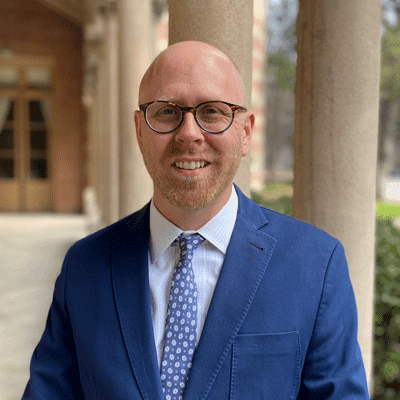
Richard Brutchey, Associate Editor, Inorganic Chemistry
What is your research focus? What initially attracted you to your field?
One of the main foci of my research is colloidal nanocrystal chemistry. Colloidal nanocrystals are having societal impact, and will continue to do so in new and exciting ways, because of their size-dependent physicochemical properties. While the community initially got excited about them because of their unique properties, many of the property-determining aspects of these materials, such as their crystal structures and surface chemistries, are intrinsically tied to inorganic chemistry. I became interested in this area because I felt, as a synthetic inorganic chemist with interests in structure and bonding, I had a useful perspective to lend to the field. We have spent many years developing new precursor chemistries for nanocrystal synthesis, exploring ways of unlocking nanocrystal functionality with surface ligands, and solving exotic metastable crystal structures in colloidal nanocrystals. It is a rich playground for an inorganic chemist to play in.
What do you hope to bring to your journal?
In recent years, high impact papers in colloidal nanocrystal chemistry have become increasingly application- and device performance-driven. We want Inorganic Chemistry to be a forum for inorganic chemists to publish cutting-edge studies that emphasize, for example, insights into the mechanistic aspects of nanocrystal chemistry or the fundamental structure and bonding of colloidal nanocrystals, without needing to demonstrate an application. As an Associate Editor for Inorganic Chemistry, I hope to shepherd through manuscripts that highlight the critical role that inorganic chemists play in this field and make the journal a premiere destination for fundamental inorganic nanoscience research.
What are the major challenges facing your field today?
Inorganic chemists have brought a lot of know-how to the synthesis of colloidal nanocrystals through developing an understanding of the underlying mechanisms of precursor conversion and nanocrystal nucleation and growth. A major problem is that the compositions and structure types of colloidal nanocrystals are so disparate that it has been very challenging to apply the lessons learned from one system to another. This is compounded by the complex parameter space that underlies nanocrystal syntheses, which make it difficult to understand how the various parameters interact to affect outcomes, such as nanocrystal phase, size, shape, and/or polydispersity. This has slowed progress. In the next few years, I expect inorganic nanocrystal chemists will increasingly embrace data-driven analytical approaches coupled with higher-throughput experimentation, not to replace our chemical intuition when it comes to solving such problems, but to supplement our intuition by identifying higher-order interactions between variables that may be key to certain outcomes. This will be critical to accelerating progress when it comes to the synthesis of novel nanocrystal systems.
What do you think is the most interesting and/or important unsolved problem in your field?
The Materials Genome Initiative has computationally identified so many potentially exciting materials that have never been made before. As synthetic chemists, we have a lot of work to do to catch up and bridge this gap. The opportunities are virtually limitless.
Do you have a recent paper in an ACS journal that you'd like to highlight?
I'm intrigued about using N-heterocyclic carbenes as L-type ligands to passivate nanocrystal surfaces and support colloidal stability. We published a paper in Inorganic Chemistry that explores the ligand exchange of N-heterocyclic carbene-capped nanocrystals with long-chain aliphatic ligands commonly used to support colloidal nanocrystals, such as oleylamine and oleic acid. These experiments, coupled with DFT calculations, taught us that the bulky sterics of the N-heterocyclic carbenes and their high binding energies to the nanocrystal surface contribute to the superior colloidal stability of carbene-capped nanocrystals.
Probing the Ligand Exchange of N-Heterocyclic Carbene-Capped Ag2S Nanocrystals with Amines and Carboxylic Acids
Sara Smock, Ryan Alimento, Shaama Mallikarjun Sharada, and Richard Brutchey
Inorg. Chem. 2021, 60, 17, 13699–13706
DOI: 10.1021/acs.inorgchem.1c02018
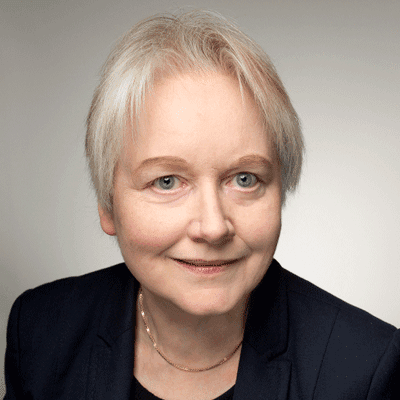
Irene Burghardt, Associate Editor, Journal of Chemical Theory and Computation
What is your research focus? What initially attracted you to your field?
My research is focused on quantum dynamical methods and their application to photoinduced nonequilibrium phenomena in molecular materials and biological assemblies. Quantum dynamics is a subject that has captivated me in various guises, ever since my PhD in magnetic resonance spectroscopy and a post-doc on the quantum manifestations of classical chaos. In my current research, I am intrigued to see how the transition between quantum coherent phenomena and classical statistical properties plays out, e.g., in organic photovoltaics.
What do you hope to bring to your journal?
I hope to contribute to making the Journal of Chemical Theory and Computation a hub for molecular quantum dynamics, with a broad scope of applications and method development, from electron-nuclear dynamics and quantum control on ultrafast time scales to highly accurate reaction rates, and from tensor network approaches, modular path integrals, and trajectory-based schemes to machine learning and algorithms in quantum computing.
What are the major challenges facing your field today?
Quantum dynamics has made large strides in moving from small molecules to extended molecular systems. Even so, combining accurate quantum dynamics with accurate excited-state electronic structure calculations remains challenging. A major issue is to close the gap between numerically exact methods and a plethora of quantum-classical approximations for time propagation in electronically excited states of large systems. Other challenges involve the realistic simulation of time-resolved nonlinear spectroscopy experiments, and the design of computational schemes adapted to novel interactions, e.g., in polaritonics and plasmonics. A big incentive for computation is to keep up with and actively contribute to the rapid progress on the experimental side.
What do you think is the most interesting and/or important unsolved problem in your field?
One of the important unsolved problems is accurate real-time quantum electron-nuclear dynamics in condensed-phase systems far from equilibrium, for example, coherent dynamics in photoexcited molecular materials.
Do you have a recent paper in an ACS journal that you'd like to highlight?
Yes, I am particularly happy about a recent paper that illustrates realistic quantum-dynamical simulations of the elementary steps of organic photovoltaics in self-assembled donor-acceptor nanostructures.
Quantum Dynamics of Electron–Hole Separation in Stacked Perylene Diimide-Based Self-Assembled Nanostructures
Dominik Brey, Wjatscheslaw Popp, Praveen Budakoti, Gabriele D’Avino, and Irene Burghardt
J. Phys. Chem. C 2021, 125, 45, 25030-25043
DOI: 10.1021/acs.jpcc.1c06374
This paper, published in the special issue "125 Years of The Journal of Physical Chemistry", was followed by a sequel (G. D'Avino et al., J. Phys. Chem. C 2022, 126, 23, 9762–9776), where we moved to a statistical description using Kinetic Monte Carlo simulations on much greater time and length scales.
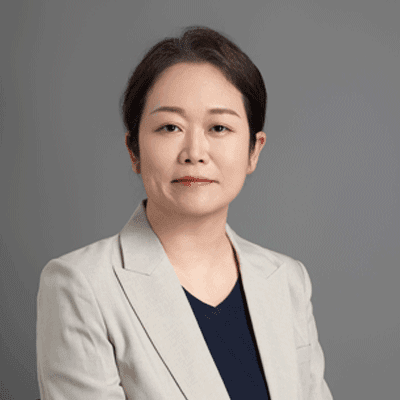
Ke Chen, Topic Editor, Organic Process Research & Development
What is your research focus? What initially attracted you to your field?
CMC scientists like myself focus on small molecule API development (route design, process development, process characterization etc). Our passion and responsibility are to establish the most optimum process, so that high potential drug candidates can get delivered with maximum efficiency, minimum cost and highest quality. This field serves as a bridge between Science (potential to innovate) and Society (potential to impact patient lives).
What do you hope to bring to your journal?
I hope to bring more industry perspective (i.e. sustainability, practical innovation etc) to OPRD journals and ultimately improve the overall impact of OPRD in the field of CMC development.
What are the major challenges facing your field today?
Sustainability has become a key challenge for CMC development, especially for accelerated drugs. The drug candidate are typically associated with accelerated CMC development timeline and limited scale-up opportunity prior to commercial launch. As a result, CMC team and supply chain team often are “forced” to make decisions with insufficient data package, trying hard to balance between timeline, process robustness, COGS and regulatory considerations. If an inherently flawed process gets selected for long term development, it's impossible to reach sustainability even after significant optimization efforts. The process will likely have highly negative impact on environment economy and potentially patient lifes. How to enable CMC team select a suitable process for accelerated programs is a task both challenging and meanful.
What do you think is the most interesting and/or important unsolved problem in your field?
There are many classical chemistry transformations with minimum new development since their initial discovery. For example, etherification of a tertiary alcohol is a classical reaction we learn from high school or college, but till today, organic community still hasn't established process friendly methods which doesn't involve toxic reagents or harsh conditions. It would be highly valuable and impactful to see new methods which can enable these classicial transformations with sustainable processes.
Do you have a recent paper in an ACS journal that you'd like to highlight?
Practical and Regioselective Synthesis of C4-Alkylated Pyridines
Jin Choi, Gabriele Laudadio, Edouard Godineau, and Phil S. Baran
J. Am. Chem. Soc. 2021, 143, 31, 11927–11933
DOI: 10.1021/jacs.1c05278
Anything else you'd like readers to know about you?
I'm a career mom with a 9-year-old daughter who can't wait to travel the world once international traveling gets back to normal (or as normal as it can be).
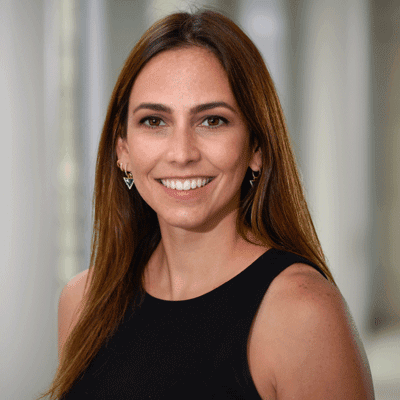
Livia Schiavinato Eberlin, Topic Editor, JACS Au
What is your research focus? What initially attracted you to your field?
My research program is focused on applications of mass spectrometry and analytical methods in health related research. We primarily develop and apply mass spectrometry imaging and direct mass spectrometry techniques to investigate and characterize molecular profiles of human specimens, specially tissues, and use this molecular information to improve diagnosis, prognosis and selection of treatment options for patients. Most of our projects are in cancer research, but we explore a variety of diseases including endometriosis and infectious diseases. We are really passionate about not only applying our chemical methods to understand different aspects of disease development but also developing chemical tools that can be translated and used in the clinic by medical professionals such as surgeons, pathologists, and oncologist. This is a key reason why I was so attracted to the field of ambient ionization mass spectrometry and why I love analytical chemistry so much - I feel like it is the technology branch of Chemistry that allows us to not only make the most spectacular measurements of molecular within living system but also provide new devices and technologies that can help doctors and people living through devastating diseases.
What do you hope to bring to your journal?
I really hope to expand the scope of the journal to bring more studies and manuscripts in the different areas of analytical chemistry but specially within the "omics" fields and their application to human health research. I'm particularly interested in studies that combine different technological approaches and novel data analytics methods to explore chemical problems in medicine.
What are the major challenges facing your field today?
Handling and interpreting data with rigor and appropriate statistical methods are a big challenge as we continue to acquire incredibly rich datasets from complex samples like human specimens. As investigators we need to put our exciting and rush to publish aside and take the time to triple check that the way we are looking and evaluating the data is most rigorous possible so that we can really bring meaning and impact into our findings.
What do you think is the most interesting and/or important unsolved problem in your field?
When we think about clinical diagnostic methods that are currently implemented in the clinic we are still primarily thinking about measuring DNA and RNA expression related to clinical outcomes and disease processes. I would love to see how other molecules - specially metabolites, lipids, and proteins - and panels of molecules that can be detected with high sensitivity and selectivity through high performance chemical methods can drive medical decision and play major roles in improving disease screening and diagnostics, beyond RNA and gene expression, or combined with RNA and gene expression assays.

Chunhai Fan, Associate Editor, JACS Au
What is your research focus? What initially attracted you to your field?
DNA self-assembly and its applications in biosensors, bioimaging and nanomedicine. The beauty of the double helix structure of DNA, and its unparalleled capability for precision self-assembly attracted me from the beginning of my research and keep long-lasting.
What do you hope to bring to your journal?
A culture of interdisciplinary research: chemistry is not chemistry by itself, chemistry is the "chem-try" to combine research from various fields in a chemical manner.
What are the major challenges facing your field today?
The major challenge in my field, in my opinion, lies in the translation from the inspiration of the Nature (DNA base-pairing) to applications that have prominent impacts in everyday life.
What do you think is the most interesting and/or important unsolved problem in your field?
The most interesting problem in my filed is whether DNA/RNA-based molecular machines can function in living cells or in vivo analogous to natural biomacromolecular molecular machines, i.e. the development of artificial DNA/RNA molecular machines to rewire signal pathways/networks for therapeutic or diagnostic applications.
Do you have a recent paper in an ACS journal that you'd like to highlight?
Programming Cell-Cell Communications with Engineered Cell Origami Clusters
Zhilei Ge, Jiangbo Liu, Linjie Guo, Guangbao Yao, Qian Li, Lihua Wang, Jiang Li, and Chunhai Fan
J. Am. Chem. Soc. 2020, 142, 19, 8800–8808
DOI: 10.1021/jacs.0c01580

Orlagh Feeney, Topic Editor, Molecular Pharmaceutics
What is your research focus? What initially attracted you to your field?
My research program looks at improving therapeutic access to the lymphatic system to treat lymph-resident disease and to augment immune responses. The hope is that with better drug delivery systems, we will be able to improve outcomes in disseminated cancer, autoimmune diseases and even improve immune responses to vaccines.
What do you hope to bring to your journal?
I hope to further promote Molecular Pharmaceutics as a place to find some of the most interesting, innovative, and impactful work in drug delivery and pharmaceutics.
What are the major challenges facing your field today?
The past three years have highlighted the need for rapidly translatable drug delivery systems that are effective, adaptable and highly reproducible. The field has moved at a phenomenal rate, but we have a lot more to do.
What do you think is the most interesting and/or important unsolved problem in your field?
Understanding how our increasingly complex drug delivery systems interact with cells both in vitro and in vivo is still one of the biggest unsolved problems in the field. If we can get to a point where we reliably predict and manipulate these interactions, there is significant potential to improve how medicines work.
Do you have a recent paper in an ACS journal that you'd like to highlight?
My most recent Molecular Pharmaceutics paper was led by Dr Gracia, a really talented PhD student in the Trevaskis lab at Monash who is now a postdoc in our group. The paper rigorously examined the composition of high density lipoproteins, and how HDL physicochemical characteristics can influence lymphatic uptake from the interstitium.
High-Density Lipoprotein Composition Influences Lymphatic Transport after Subcutaneous Administration
Gracia Gracia, Enyuan Cao, Orlagh M. Feeney, Angus P. R. Johnston, Christopher J. H. Porter, and Natalie L. Trevaskis
Mol. Pharmaceutics 2020, 17, 8, 2938–2951
DOI: 10.1021/acs.molpharmaceut.0c00348
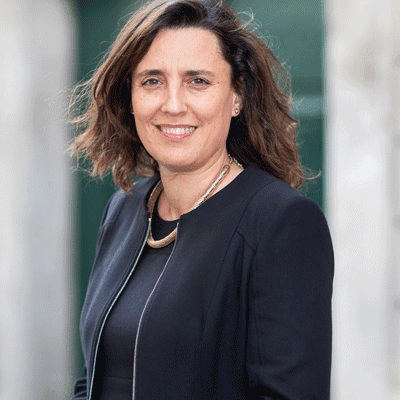
Leticia González, Senior Editor, ACS Central Science
What is your research focus? What initially attracted you to your field?
I am a theoretical and computational chemist. Since my studies in chemistry, I always found fascination in understanding why. Why do chemical compounds what they do. Why do they have a particular color. Why they follow a particular chemical reaction. I discovered that quantum mechanics is the best way to understand things and I wanted to devote my time to understand nature with the help of a simulations. In my group, we find particular excitement in modeling the interaction of light and matter. Electronic excited states play a role in many processes, akin to chemistry, but also biology.
What do you hope to bring to your journal?
I am hoping to attract interesting and creative contributions related to chemical theory, simulations and physical chemistry to the journal.
What are the major challenges facing your field today?
The application of quantum chemistry to large molecular systems is still a great challenge. The revolution of AI and machine learning and the promise of quantum computing, might help in this direction.
What do you think is the most interesting and/or important unsolved problem in your field?
Modelling materials with the accuracy already achieved in molecules is one of the unsolved challenges of this century.
Do you have a recent paper in an ACS journal that you'd like to highlight?
How do you ask a mother to highlight one of her children? But here is our latest cooperative paper in Journal of Chemical Theory and Computation, which breaks the wall of simulating excited state rare events.
Nonadiabatic Forward Flux Sampling for Excited-State Rare Events
Madlen Maria Reiner, Brigitta Bachmair, Maximilian Xaver Tiefenbacher, Sebastian Mai, Leticia González, Philipp Marquetand, and Christoph Dellago
J. Chem. Theory Comput. 2023, 19, 6, 1657–1671
DOI: 10.1021/acs.jctc.2c01088
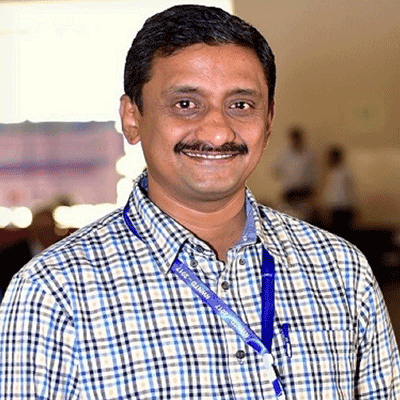
Parameswar Iyer, Associate Editor, ACS Applied Bio Materials
What is your research focus? What initially attracted you to your field?
Development of functional materials and their applications. I was fascinated by the ability to tune molecules into desired properties precisely realize specific application with them, and many times these were very unusual and truly provoking.
What do you hope to bring to your journal?
The scope of this journal is broad and it has been further expanding to several trans-disciplinary areas. Hence, encouraging interdisciplinary work which have seen major breakthroughs will be a priority. I hope to bring in my experience to this journal.
What are the major challenges facing your field today?
Developing functional materials via economical and sustainable routes and bringing this aspect to every sphere of research and development is one of the major challenges.
What do you think is the most interesting and/or important unsolved problem in your field?
As the tools required for materials development and the understanding of their properties increases, the quest for developing materials with broader applications to meet the technological demands is also enhanced. Thus appropriate materials development remains very challenging.
Do you have a recent paper in an ACS journal that you'd like to highlight?
Conjugated Polyelectrolyte-Passivated Stable Perovskite Solar Cells for Efficiency Beyond 20%
Rabindranath Garai, Ritesh Kant Gupta, Arvin Sain Tanwar, Maimur Hossain, and Parameswar Krishnan Iyer
Chem. Mater. 2021, 33, 14, 5709–5717
DOI: 10.1021/acs.chemmater.1c01436
Anything else you'd like readers to know about you?
Submit your top work to ACS Applied Bio Materials.
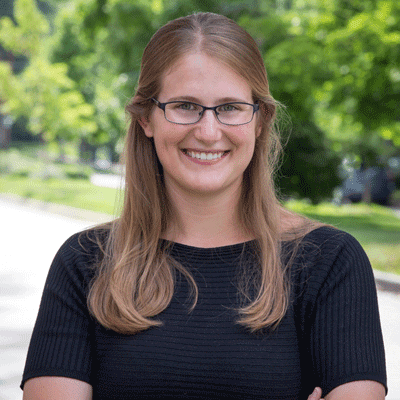
Julie Korak, Associate Editor, ACS Omega
What is your research focus? What initially attracted you to your field?
My research broadly focuses on water treatment engineering spanning municipal drinking water, water reuse, and industrial water treatment. Our lab studies a breadth of topics from natural organic matter (humic substances) to inorganic contaminants and corrosion. I started in chemical engineering but was fascinated by the circular “One Water” approach for the protection of public health and the environment. I am motivated to work in this space, because it requires advances in chemistry, applied engineering, and practical implementation strategies.
What do you hope to bring to your journal?
I am excited to join the team at ACS Omega, because it is a unique journal that spans multiple disciplines. Looking back, so many advances to solve environmental problems have come from interfaces with other fields.
What are the major challenges facing your field today?
I think the biggest challenge is bridging the fundamental understanding to the complexities of real environments. There are not only technical differences between the laboratory and environment, but implementation may also have social or policy barriers (e.g., direct potable water reuse).
What do you think is the most interesting and/or important unsolved problem in your field?
Building on the last question, I think the most interesting challenge is how to implement water reuse effectively, which requires the alignment of sound data based on real world applications, robust technologies, clear policy, and social acceptance. It is hard for one of these elements to advance without the others.
Do you have a recent paper in an ACS journal that you'd like to highlight?
I would like to highlight two papers for the same reason. For every paper, there is the story behind the paper, such as how the project launched, the friendships developed, and how teams came together to overcome challenges. For these two papers, I am proud of not just the final product but the role that each had in my own academic journey.
Forward Osmosis for Ion Exchange Waste Brine Management
Miguel S. Arias-Paić* and Julie A. Korak
Environ. Sci. Technol. Lett. 2020, 7, 2, 111–117
DOI: 10.1021/acs.estlett.9b00733
The Case Against Charge Transfer Interactions in Dissolved Organic Matter Photophysics
Garrett McKay, Julie A. Korak, Paul R. Erickson, Douglas E. Latch, Kristopher McNeill, and Fernando L. Rosario-Ortiz
Environ. Sci. Technol. 2018, 52, 2, 406–414
DOI: 10.1021/acs.est.7b03589

Chris Lorenz, Associate Editor, ACS Omega
What is your research focus? What initially attracted you to your field?
My research interests are targeted at understanding the molecular scale interactions that drive the self-assembly of materials ranging from polymers and surfactants to lipids and proteins. In my group we specialise in using molecular scale simulations to investigate these systems and then we enjoy collaborating with experimental groups to allow us to gain a truly multi-scale understanding of the self-assembly behaviour. For me, understanding that the macroscopic structures that molecules self-assemble to form are controlled by interactions which can be observed at the molecular scale, and understanding that the physical and dynamical properties of these structures can be significantly affected by very small changes to the chemistry of the constituent molecules are two facts which attracted me to wanting to investigate these systems more thoroughly.
What do you hope to bring to your journal?
I hope to promote ACS Omega within the field of materials modelling and in doing so to continue attract more and more high quality papers from that community.
What are the major challenges facing your field today?
I think that in all areas of materials modelling scientists are continually trying to understand increasingly complex systems and/or increasingly large systems. In both cases, people are using simulations to attempt to understand systems that are closer and closer to those found in experiment or in the natural or 'real' world. These larger and/or more complex systems bring along with them many challenges which are rooted in the development of efficient algorithms for carrying out larger systems or approaches to obtaining meaningful and insightful results from more complex systems.
What do you think is the most interesting and/or important unsolved problem in your field?
One challenge that is quite exciting to me is the development of computational platforms that can lead rational design of nanoparticles made of soft matter for a particular application (e.g. vaccines, drug delivery to a particle site in the body, catalytic nanoparticles). I know that we and others have been able to do this within specific systems to some extent but I think that to develop a more robust platform would be very powerful.
Do you have a recent paper in an ACS journal that you'd like to highlight?
I am quite excited about our recent ACS Nano paper in which we found that a giant percolating cluster exists within an amorphous conjugated polymer, which has ramifications in understanding the nature of interchain species that drive the quantum yield reduction and bathochromic shift observed in conjugated polymer-based devices and nanostructures. We also showed that distinct conformations can be unravelled from within the disordered structure of amorphous F8BT using a two-stage machine learning protocol, highlighting a link between molecular conformation and ring stacking propensity.
Conformational Heterogeneity and Interchain Percolation Revealed in an Amorphous Conjugated Polymer
Robert M. Ziolek, Alejandro Santana-Bonilla, Raquel López-Ríos de Castro, Reimer Kühn, Mark Green, and Christian D. Lorenz
ACS Nano 2022, 16, 9, 14432–14442
DOI: 10.1021/acsnano.2c04794
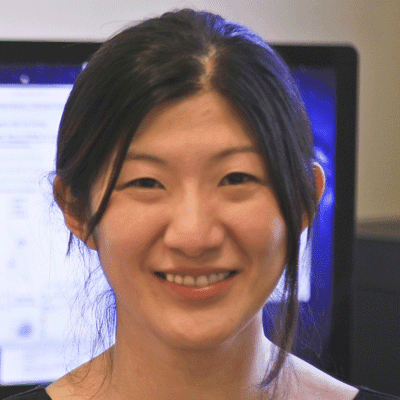
Yu-Shan Lin, Topic Editor, Biochemistry
What is your research focus? What initially attracted you to your field?
My research focus is using theoretical and computational chemistry to understand and design biomolecules. I got interested in the field when I was an undergraduate because I liked equations and models and how they help provide a quantitative framework for our understanding of this world.
What do you hope to bring to your journal?
Computational modeling is a powerful tool for providing chemical, physical, mechanistic, and structural insights into biological functions. I hope to bring my expertise on board to help expand the scope and reach of Biochemistry.
What are the major challenges facing your field today?
A few that come to mind: The ability to integrate advances in computer science with important problems in chemistry, figuring out what problems machine learning is suitable for solving and how, tighter collaboration with experimentalists, and moving from explanations post-experiment to predictions that guide experiments.
What do you think is the most interesting and/or important unsolved problem in your field?
The sampling problem—how to sample relevant conformations, configurations, and events.
Do you have a recent paper in an ACS journal that you'd like to highlight?
For the biochemistry audience, I’d like to highlight this paper in Chemical Reviews on using molecular dynamics simulations to provide structural info on cyclic peptides, which often adopt multiple conformations in solution and are difficult to characterize using solution NMR.
Elucidating Solution Structures of Cyclic Peptides Using Molecular Dynamics Simulations
Jovan Damjanovic, Jiayuan Miao, He Huang, and Yu-Shan Lin
Chem. Rev. 2021, 121, 4, 2292–2324
DOI: 10.1021/acs.chemrev.0c01087
Anything else you'd like readers to know about you?
I’m originally from Taiwan. My husband is also a chemistry professor (not a computational chemist, though). We have two kids, two dogs, two cats, six chickens, four sheep, and two goats. Thankfully, the experimentalist takes care of the animals!
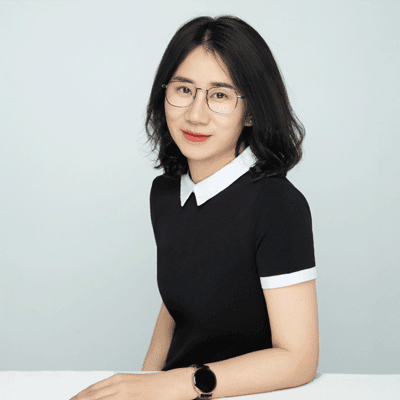
Tianfu Liu, Topic Editor, Crystal Growth & Design
What is your research focus? What initially attracted you to your field?
Supramolecular chemistry, Coordination chemistry, Hydrogen-bonded organic frameworks, metal-organic frameworks.
What do you hope to bring to your journal?
The promotion in the Chinese research community The objective comments on my field.
What are the major challenges facing your field today?
Predesigned synthesis, exploring their potential applications.
What do you think is the most interesting and/or important unsolved problem in your field?
Relative low stability; The compromise between porosity and electroconductivity.
Do you have a recent paper in an ACS journal that you'd like to highlight?
Multifunctional Porous Hydrogen-Bonded Organic Frameworks: Current Status and Future Perspectives
Zu-Jin Lin, Shaheer A. R. Mahammed, Tian-Fu Liu, and Rong Cao
ACS Cent. Sci. 2022, 8, 12, 1589–1608
DOI: 10.1021/acscentsci.2c01196
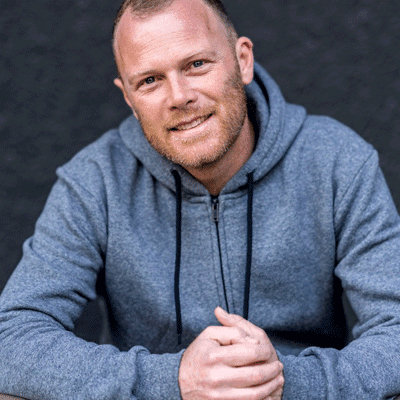
Nathaniel Martin, Associate Editor, Journal of Medicinal Chemistry
What is your research focus? What initially attracted you to your field?
The discovery and development of antibiotics. Antibiotics really are the cornerstone of modern medicine and the threat posed by antibiotic resistance is a strong motivator for our research. I am also inspired by the amazing diversity of natural products that still represent the majority of clinically used antibiotics. The potential for bioorganic and medicinal chemistry to further expand our arsenal of antibiotics provides many exciting opportunities for the future.
What do you hope to bring to your journal?
To shine a light on exciting breakthroughs and novel approaches in the field of antibiotics, and more broadly, anti-infective drug discovery.
What are the major challenges facing your field today?
Antimicrobial resistance (AMR) poses one of the greatest threats to global health in the 21st century. While stewardship activities can play a role in reducing the rate at which AMR spreads, the only real solution to keeping pace with AMR is to develop new therapeutics capable of addressing the problem head on.
What do you think is the most interesting and/or important unsolved problem in your field?
The golden age of antibiotic drug discovery in the mid-20th century uncovered a multitude of natural products that, somewhat surprisingly, could be used to treat bacterial infections in the human body. The surprising aspect of this is that these antibiotics were optimized by nature to function in environments very different than the human body. The application of modern medicinal chemistry principles to improve natural product antibiotics, for example to reduce toxicity or overcome resistance, provides many exciting opportunities for delivering next-generation antibiotics.
Do you have a recent paper in an ACS journal that you'd like to highlight?
Synthesis and Evaluation of Polymyxins Bearing Reductively Labile Disulfide-Linked Lipids
Cornelis J. Slingerland, Charlotte M. J. Wesseling, Paolo Innocenti, Koen G. C. Westphal, Rosalinde Masereeuw, and Nathaniel I. Martin
J. Med. Chem. 2022, 65, 23, 15878–15892
DOI: 10.1021/acs.jmedchem.2c01528
Anything else you'd like readers to know about you?
I was born and raised in Western Canada and obtained my PhD degree from the University of Alberta in 2004 working with John Vederas. I subsequently performed postdoctoral studies with Michael Marletta at the University of California Berkeley and in 2007 moved to the Netherlands to start my independent research career. Following ten years at Utrecht University I accepted an offer to move to Leiden University in 2018 where I currently hold a chair in Biological Chemistry.

Fleming Martinez, Associate Editor, Journal of Chemical & Engineering Data
What is your research focus? What initially attracted you to your field?
Solubility and dissolution thermodynamics of organic compounds.
What do you hope to bring to your journal?
My enthusiasm and passion for studying the solubility of drugs and environmental contaminants.
What are the major challenges facing your field today?
The systematic determination of equilibrium solubilities under extreme conditions and the complete characterization of the bottom solid phases in equilibrium with the saturated solutions.
What do you think is the most interesting and/or important unsolved problem in your field?
Finding a suitable model for the prediction of the solubility of organic compounds in multicomponent solvent systems.
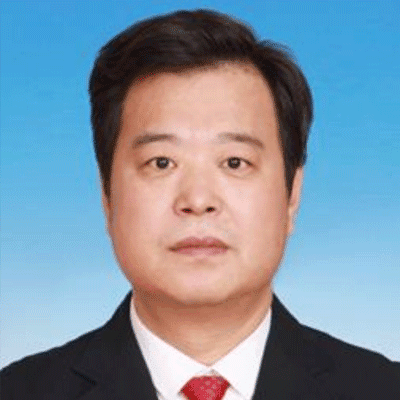
Linqi Shi, Associate Editor, ACS Applied Bio Materials
What is your research focus? What initially attracted you to your field?
Inspired by the function of molecular chaperone, nano chaperones were constructed.to prevent protein aggregation, promote efficient folding and maintain protein homeostasis. Polymeric nanomedicine for anti-bacterial biofilm infection and anti-cancer therapy. The protein folding and functionality attracted me to enter the field of biomaterials science.
What do you hope to bring to your journal?
Proteins play a key role in the interaction between biomaterials and cells or tissues in the application process. I hope to use my experience in the review to promote the safe, effective and reliable application of biomaterials under physiological conditions.
What are the major challenges facing your field today?
Based on the mechanism of molecular chaperone, proteins are regulated to form defined three-dimensional dynamic structures to obtain functional activity. Nanomedicines are limited by low delivery efficiency and poor penetration performance in the focus tissue.
What do you think is the most interesting and/or important unsolved problem in your field?
Drug-loaded nanocarriers are considered to provide a welcome extension to the currently available for treating tumors or bacterial drug-resistant infections. I think that the interaction of nanocarrier and protein is an interesting and important problem.
Do you have a recent paper in an ACS journal that you'd like to highlight?
Glucose-Responsive Nanochaperones Mediate Exendin-4 Delivery for Enhancing Therapeutic Effects
Yanli Zhang, Menglin Yang, Xiaohui Wu, Fei Deng, Xu Yin, Rujiang Ma, and Linqi Shi
ACS Appl. Mater. Interfaces 2022, 14, 39, 44211–44221
DOI: 10.1021/acsami.2c13291
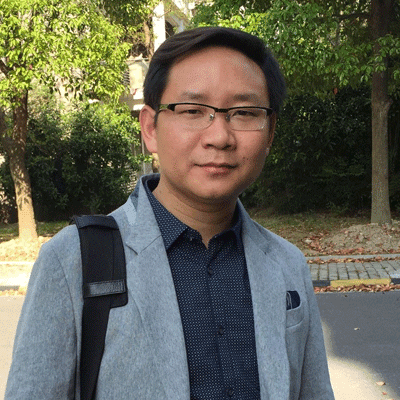
Chao Zhong, Topic Editor, ACS Synthetic Biology
What is your research focus? What initially attracted you to your field?
My current research mainly focuses on leveraging the power of synthetic biology to push the new boundary of materials research. I was trained as a materials scientist in my graduate studies, and I luckily did my postdoc trainings in synthetic biology at MIT (with Prof. Timothy K. Lu), where we really saw the great potential of applying synthetic biology tools for advancing "living" materials, a new category of biomaterials with self-regenerating, adaptive and even evolvable features.
What do you hope to bring to your journal?
The last two decades have really witnessed the great advances of synthetic biology in pushing both fundamental and applied research in many fields including biomaterials research. I hope my expertise in Materials Synthetic Biology will bring new ideas to the journal, and I also hope and believe ACS Synthetic Biology will provide a journal host for biomaterial researchers who are committed to the development of new biomaterials with emerging and innovative properties, and are willing to publish their exciting research in this journal.
What are the major challenges facing your field today?
The Science journal has a new version of 125 scientific questions. One of the questions, which is also deemed a major challenge in my field, is "how can matter be programmed into living materials". I believe answers to this question will help us to gain insights into how natural living materials form over time, and in the meantime, provide a viable way of developing a new generation of sustainable materials in the future.
What do you think is the most interesting and/or important unsolved problem in your field?
I think one interesting but unsolved problem in my field is: can we one day program cells with artificial genetic circuits to produce living materials with desirable properties, just like we grow a giant tree from a seed?
Do you have a recent paper in an ACS journal that you'd like to highlight?
As a co-author, I once had the opportunity to publish a viewpoint about engineering living functional materials in ACS Synthetic Biology. I think that paper represents an early stage of how researchers vision the power of synthetic biology in pushing the new frontier of biomaterials research.
Engineering Living Functional Materials
Allen Y. Chen, Chao Zhong, and Timothy K. Lu
ACS Synth. Biol. 2015, 4, 1, 8–11
DOI: 10.1021/sb500113b
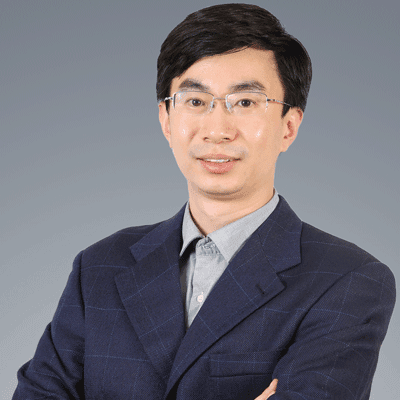
Peng Zou, Topic Editor, Bioconjugate Chemistry
What is your research focus? What initially attracted you to your field?
My research focuses on developing chemical tools for investigating the biomolecules underlying cellular signal transduction, with a particular focus on neuronal signaling. The human brain is arguably the most complicated organ, containing more than 80 billion neurons interconnected through trillions of chemical synapses. Understanding how signaling is orchestrated within this complex system requires analytical methods that offer both high spatiotemporal resolution and high measurement throughput. My lab aims to develop such methods using a combination of enzymatic and photocatalytic bioconjugation techniques to assemble fluorescent indicators and to tag biomolecules with affinity handles.
What do you hope to bring to your journal?
I hope that my background in fluorescent biosensors and bioorthogonal chemistry could highlight the power of bioconjugate chemistry in the context of living cells.
What are the major challenges facing your field today?
In the field of chemical biology, there has been a proliferation of biocompatible chemical reactions developed over the past decade. However, many of these reactions are only applicable to dissociated cell culture where the reagents could be easily deliveried. It has remained challenging to achieve highly selective and highly controlled bioconjugation chemistry in intact primary tissues and living organisms.
What do you think is the most interesting and/or important unsolved problem in your field?
In living cells, biomolecules such as proteins and RNAs are often spatially organized into subcellular structures, including both membrane-enclosed organelles and membrane-less condensates. What is the principle guiding such spatial arrangement? How is selective targeting achieved? Using spatially resolved chemical reactions for labeling the relevant biomolecules in live cells could help answer the above questions and help illucidate the functional implications of forming such dynamic structures.