
Get to know some of ACS Publications' latest editors and the unique gifts they bring to their respective journals.
New editors bring new experiences, perspectives, and ideas to their publications. Get to know some of ACS Publications' latest senior, associate, and topic editors, explore their featured research articles, and learn about the unique gifts they each bring to their respective journals.
Drew Adams, Associate Editor, ACS Chemical Neuroscience
What is your research focus? What initially attracted you to your field?
My lab works at the interface of chemistry and biology, using small molecule tools to validate new therapeutic targets in glial biology and other fields. Validating new targets is exciting since it can catalyze new drug discovery efforts for patients with diseases of the CNS and beyond.
What do you hope to bring to your journal?
I hope to bring my own breadth of experience as a scientist, which spans organic chemistry, chemical biology, and drug discovery working both in a small biotech and with a large pharma partner. My lab's work in glial biology and also in inflammation may be complementary to other editors. I also bring along an understanding of the challenges of publishing academic research, which includes having an article rejected from ACS Chemical Neuroscience.
What are the major challenges facing your field today?
Chemical biology approaches toward therapeutic target validation are challenging—it's tough to figure out which of 20,000 proteins a small molecule is binding to while inducing its therapeutically relevant phenotypes. However, new technologies including CRISPR screening and other forward genetic approaches are making it easier. Ultimately, bulletproof target validation is essential prior to launching drug discovery efforts.
What do you think is the most interesting and/or important unsolved problem in your field?
The roles and contributions of glial cells in CNS disorders, and therapeutic targets for modulating glial cells, remain underexplored relative to neurons.
Do you have a recent paper in an ACS journal that you'd like to highlight?
Enhancers of Human and Rodent Oligodendrocyte Formation Predominantly Induce Cholesterol Precursor Accumulation
Joel L. Sax, Samantha N. Hershman, Zita Hubler, Dharmaraja Allimuthu, Matthew S. Elitt, Ilya Bederman, and Drew J. Adams*
DOI: 10.1021/acschembio.2c00330
This paper in ACS Chemical Biology highlights how nearly all small molecules identified in high-throughput screens as promoting remyelination share the ability to inhibit cholesterol biosynthesis at enzymes between CYP51 and EBP. Hopefully this work encourages the field to see cholesterol pathway inhibition as a likely mechanism for future promyelinating molecules identified by screening.
Anything else you'd like readers to know about you?
I'm a big Cleveland Guardians fan and enjoy golf and birdwatching.
Ruchi Anand, Associate Editor, Biochemistry

What is your research focus? What initially attracted you to your field?
Our laboratory employs a combination of X-ray Crystallography, Cryo-EM, biochemical and biophysical tools to understand molecular mechanisms with implications to human health. Our current research interests follow a multipronged approach where we have contributed to two major areas, antimicrobial resistance and biosensors development. Towards the first goal of combating drug resistance, we focus both on unearthing enzyme systems that can serve as new therapeutic targets as well are involved in understanding the origins of antibiotic resistance itself. Recent work with bacterial transcription factors has paved the way to structure-guided development of biosensors for aromatic pollutants.
What do you hope to bring to your journal?
I hope to bring forth my expertise in the field of structural biology, biochemistry and biophysics to add depth to the journal. I have been working on various aspects of enzyme mechanism and allostery in biological systems and have employed a combination of tools ranging from fluorescence lifetime to crystallography to Cryo-EM to ITC etc. to unravel subtle cues that determine enzyme function. Thus I feel this expertise can be a value adding asset to the journal.
What are the major challenges facing your field today?
The major challenges facing the field is to develop a molecular and structural level insights of complex disease states. In this regard solving structures of large macromolecular assembles and visual mapping of interactions within a signalling or regulatory cascade with systems relevant to human health is imperative. The challenge is to capture these complex assemblies in their native state both at an in vitro level and more importantly inside the cell. Advancement in both Cryo-Electron microscopy and Cryo-Electon tomography such that one can visualize cellular interactions within the framework of the cell at an atomic level is the upcoming need in the field.
What do you think is the most interesting and/or important unsolved problem in your field?
The most interesting problem in the field is to develop a complete understanding of the mechanisms that trigger drug resistance. Drug resistance is a silent epidemic that is engulfing the whole world. Mostly all drugs that are introduced become resistant in action and that leaves the population susceptible to several conditions. Thus understanding origins of drug resistance and strategies to combat it is an important problem that should be tackled.
Do you have a recent paper in an ACS journal that you'd like to highlight?
We have a recent paper in JACS Au. It explores how ligands find their active sites in proteins, even when they are buried deep inside it. We show that the ligand recognition occurs via subtle cues that open transient pathways tailored to accept the molecule of choice and to reject other iso-structural analogues. Thus nature displays elegant selection mechanisms perfected via evolutionary rigor.
Identifying Selectivity Filters in Protein Biosensor for Ligand Screening
Mohammad Sahil, Jayanti Singh, Subhankar Sahu, Sushant Kumar Pal, Ajit Yadav, Ruchi Anand*, and Jagannath Mondal*
DOI: 10.1021/jacsau.3c00374
Lakshmikant Bajpai, Topic Editor, Organic Process Research & Development
What is your research focus? What initially attracted you to your field?
Analytical chemistry with greater emphasis on impurity profiling, applications of mass spectroscopic technique for structure elucidations of challenging small molecules/impurities/metabolites without isolation at lower levels.
What do you hope to bring to your journal?
Encourage the publishing of challenging/innovative analytical chemistry findings related to the process chemistry support in OPR&D. Bring more awareness within the analytical community to publish their findings in OPR&D for broader benefit of the process development community.
What are the major challenges facing your field today?
A few major challenges in analytical chemistry which may need attention are:
- Need for development and validation of new materials to increase the sensitivity and selectivity of analytical methods for achieving the decreasing quantitation limits.
- Updating instrumental configurations constantly to meet the international guidelines.
- Constant demand for green methods for maintaining a good balance between the environment and the human health.
- Promoting automation while maintaining the human knowledge for troubleshooting.
What do you think is the most interesting and/or important unsolved problem in your field?
The most interesting and important unsolved problem in analytical chemistry is a matter of perspective which can vary greatly among professionals within or across the field (e.g. chemist and analyst). In technical terms, demand for generic methods for most of the analytical techniques which could be used across for all substances to be analyzed, non invasive real time analytical methods without any sample preparation and use of AI and ML in analytical for more accurate predictions of outcomes and the analysis of complex data sets are some of the unsolved problems which hold a good amount of interest.
Do you have a recent paper in an ACS journal that you'd like to highlight?
Investigation of Unusual N-(Triphenyl-λ5-phosphanylidene) Amide Fragmentation Observed upon MS/MS Collision-Induced Dissociation
Moolchand Kurmi, Vasantha Krishna Kadambar, Pavan Srinivas, Yernaidu Reddi, Manoranjan Panda, Michael Peddicord, Scott A Miller, Joel Young, Hemant Bhutani, and Lakshmikant Bajpai*
DOI: 10.1021/jasms.3c00051
Actual Process Impurity or an Analytical Artifact? A Case Study Involving Conversion of Amide to Nitrile to Uncover the Truth and Mitigate
Moolchand Kurmi, Jugal Gupta, Karthik Jayaraman, Vasantha Krishna Kadambar, Ganesh Dighe, Joel Young, Hemant Bhutani, and Lakshmikant Bajpai*
DOI: 10.1021/acs.oprd.3c00324
Anything else you'd like readers to know about you?
I am an accomplished scientist and experienced manager with hands on experience in chemical synthesis, bioanalytical, discovery and process analytical with expertise in core analytical techniques. I have 24+ years of experience with a proven track record of delivering successful projects. I am adept in people management, troubleshooting and communicating effectively across the organization. I am very passionate to work with teams for addressing the challenges of structure elucidation for small molecules.
Simon Wan Chan, Associate Editor, Journal of Agricultural and Food Chemistry
What is your research focus? What initially attracted you to your field?
The research of my group focuses on developing new and simple analytical methods to identify and quantify toxic substances in food and environmental media and to study chemically-induced perturbation to the metabolome and damage to biological macromolecules (DNA, RNA and proteins) that relate to human diseases; We have a long-standing research interest in chemical toxicology specifically with food, because eating and health are basic human needs.
It has been said that “Hunger breeds discontent” and there is a similar idiom in Chinese: "People view food as their God (i.e. primary need) (民以食為天)”. However, if we consume food that are unsafe, we would be eating to our own ill health: as the saying goes “Illnesses enter by the mouth (病從口入)”. We therefore desire to contribute to making our food safer and our health better with the skills and capabilities of an analytical chemist.
What do you hope to bring to your journal?
I would like to identify impactful research/solutions that can bring forth advances in agricultural and food safety. In particular, I would like to bring my research experience in chemical toxicology of food to encourage the development of food safety testing methods that are inexpensive, user-friendly, reliable and can be engaged by individuals for personalized food safety testing.
What are the major challenges facing your field today?
I consider being able to identify foodborne substances that are harmful to human health in a timely manner as the major challenge facing our field today, because many of them exists at very low levels, in the presence of complicated sample matrix, and exert their harmful effects only after prolonged exposure.
What do you think is the most interesting and/or important unsolved problem in your field?
I consider the occurrence of previously unaware pollutants, emerging pollutants, and the synergistic interaction between foodborne chemicals and toxicants that affect human health as the most important issues of our field. The adverse effects on human health caused by emerging toxicants, particularly those previously considered as “non-toxic” or “healthy”, are of concern.
Do you have a recent paper in an ACS journal that you'd like to highlight?
Being able to publish extensively in ACS journals in my career has been my great honor. Amongst our published papers, I would like to highlight a JAFC paper published in 2016, which was later selected to receive the “2017 Research Article of the Year Award” (Jointly by JAFC and ACS Division of Agrochemicals). Through collaboration with scientists in Serbia, the study identified for the first time aristolochic acids (AAs), a class of highly nephrotoxic and carcinogenic phytotoxins produced naturally in Aristolochia clematitis (birthwort), a widespread weed in the area, inside food grains collected from Serbia. The results showed that dietary intake of AA through AA-contaminated food is the main pathway that humans are exposed to this nephrotoxin, which helps better explain the etiology of Balkan endemic nephropathy.
Quantitation of Aristolochic Acids in Corn, Wheat Grain, and Soil Samples Collected in Serbia: Identifying a Novel Exposure Pathway in the Etiology of Balkan Endemic Nephropathy
Wan Chan*, Nikola M. Pavlović*, Weiwei Li, Chi-Kong Chan, Jingjing Liu, Kailin Deng, Yinan Wang, Biljana Milosavljević, and Emina N. Kostić
DOI: 10.1021/acs.jafc.6b02203
Anything else you'd like readers to know about you?
I grew up in a rural farming village located in the northwestern part of Guangdong Province in mainland China during a time when agriculture was practiced extensively. Although I was not fond of and did not participate much in agricultural work at the time, I have come to appreciate and respect the hard works of farmers profoundly. Regretfully, due to changes in the economic landscape and the consolidation of agriculture, farming has now become a rare scene in my hometown. I wish to see those vibrant and productive crop fields, perhaps upgraded with modern equipment, all across my home village once more.
Sunanda Chatterjee, Associate Editor, Journal of Medicinal Chemistry
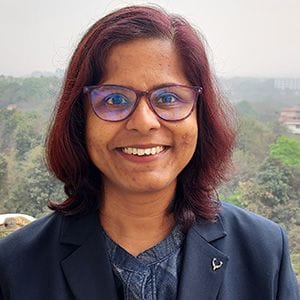
What is your research focus? What initially attracted you to your field?
I am a peptide chemist. I am interested in developing peptides and peptidomimetics which can be applied as useful materials or therapeutic agents. We start from the rational design of peptides using natural or unnatural amino acids and peptidomimetic scaffolds, and take them to applications in various fields like material (soft matter, gels) development for biomedical and non-biomedical applications as well as therapeutic (antimicrobial peptides) development. We are interested in delving into the mechanism of action of the peptides and correlating it to their structure. Presently, we are majorly focussing on developing therapeutically robust antimicrobial peptides. I got interested in peptides as these are a very interesting class of molecules, which due to their biological origin and versatility can be employed in the development of several materials and therapeutics, that might be instrumental in the fight of human civilization against deadly pathogens and diseases on one hand, and the improvement of the quality of human life on the other. Interestingly, peptides can also be used to mimic the fascinating structure and the properties present in nature.
What do you hope to bring to your journal?
I hope that as an Associate Editor, I will be able to uphold the quality and the reputation of J. Med Chem as a world class journal that publishes the best of medicinal chemistry related research. I will also actively try popularizing the journal in Asia and India particularly, so that the best of the research in the field can be attracted to the journal. I wish that the journal can reach new heights and continues to be a source of knowledge in medicinal Chemistry, alongside inspiring brilliant science in the future.
What are the major challenges facing your field today?
Presently, the human civilization is under a huge threat from antibiotic resistant microbes. The existing arsenal of antibiotics are rendered ineffective against these resistant pathogens. Development of new antibiotics are extremely slow. WHO predicts that colossal number of deaths might occur worldwide from antibiotic resistant pathogenic infections, unless controlled. Thus there is an urgent need to develop alternate classes of molecules to combat these resistant pathogens. Antimicrobial peptides (AMPs), have been the first line of defence against pathogens in various kingdoms of life for millions of years, without development of resistance against them. Thus, AMPs are a hugely promising lead in dealing with infections from antibiotic resistant bacteria.
What do you think is the most interesting and/or important unsolved problem in your field?
Though there is a lot of research on developing AMP based therapeutics, there is still a long way to their successful commercialization. AMPs have their own shortcomings like salt sensitivity of the antimicrobial potency, short systemic half-life, cytotoxicity etc. Also, most of the AMPs are broad spectrum antimicrobials. Directed design of antibiotic resistant pathogen specific AMP therapeutics, with all the shortcomings of the AMPs addressed and circumvented is still a formidable task in front of the scientific community in the field.
Do you have a recent paper in an ACS journal that you'd like to highlight?
I have had several publications with ACS during my scientific career, This one recently got published and is very close to my heart. In this study, we were able to establish the mechanism (in molecular detail and with thermodynamic analysis) how the use of D amino acids leads to the development of protease resistance. This work is a beautiful example of successful collaboration between the experimental and theoretical approaches in solving a scientific problem.
Mechanism of Protease Resistance of D-Amino Acid Residue Containing Cationic Antimicrobial Heptapeptides
Tanumoy Sarkar, Suvankar Ghosh, Pradeep Kumar Sundaravadivelu, Gopal Pandit, Swapna Debnath, Rajkumar P. Thummer, Priyadarshi Satpati*, and Sunanda Chatterjee*
DOI: 10.1021/acsinfecdis.3c00491
Anything else you'd like readers to know about you?
I was raised in the industrial city of Durgapur, West Bengal from the eastern part of India. Raised in a liberal family, I have always wanted to explore the world, meet and work with people across cultures, nationally and internationally. My profession as a scientist makes me a global citizen, as it unifies me with the world and empowers me to work for the humanity. Science brings scientists across the community under the same umbrella and on the same platform. Presently, I am an Associate Professor of Chemistry at the Indian Institute of Technology, Guwahati. I am the mother of a curious 9 year old daughter, reliving my childhood through her eyes. I am an avid traveller and I love to trek (mostly Himalayas so far).
Sun Choi, Associate Editor, ACS Medicinal Chemistry Letters
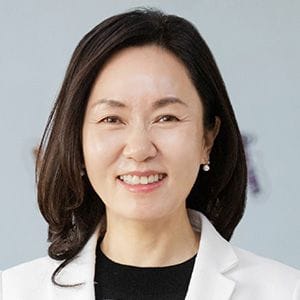
What is your research focus? What initially attracted you to your field?
My research has focused on the topics shown below:
- Computer-Aided Drug Design (CADD) Methods and Applications
- Protein-Ligand Interaction & their Mechanism of Action Studies
- Drug Discovery Research for Various Diseases in Cell Signaling
- Biomolecular Simulations: Protein Motion and Allostery
- Theoretical Studies of Enzymatic & Chemical Reactions
- Big Data & Artificial Intelligence (AI)-based Drug Discovery
The interdisciplinary research as a core part in drug discovery initially attracted me to my field.
What do you hope to bring to your journal?
Starting as an experimental medicinal chemist and now mainly as a computation medicinal chemist, I have been working in academia and industry along with many international collaborators, focused on interdisciplinary research from fundamental studies to translational research. Based on my experience and as the first Asian associate editor of ACS Medicinal Chemistry Letters, I also hope to bring diversity to our field and journal.
What are the major challenges facing your field today?
There have been many challenges in history, but these days, especially after COVID-19, many people in our field may feel challenges due to the socio-economic situations such as overall reduction of R&D budget and next generation who would like to face difficult/different problem solving in science, and higher barriers between countries for mutual collaboration, etc.
What do you think is the most interesting and/or important unsolved problem in your field?
There are many interesting and important unsolved problems in medicinal chemistry. I think it could be how we can correlate in vitro and in vivo data and overcome species differences and drug resistance.
Do you have a recent paper in an ACS journal that you'd like to highlight?
GPCR Agonist-to-Antagonist Conversion: Enabling the Design of Nucleoside Functional Switches for the A2A Adenosine Receptor
Anna Shiriaeva, Daejin Park, Gyudong Kim, Yoonji Lee, Xiyan Hou, Dnyandev B. Jarhad, Gibae Kim, Jinha Yu, Young Eum Hyun, Woomi Kim, Zhan-Guo Gao, Kenneth A. Jacobson, Gye Won Han, Raymond C. Stevens, Lak Shin Jeong*, Sun Choi*, and Vadim Cherezov*
DOI : 10.1021/acs.jmedchem.2c00462
Anything else you'd like readers to know about you?
It is my great pleasure and honor to join as an associate editor of ACS Medicinal Chemistry Letters and have an opportunity to meet the readers around the world. As the Director of Global AI Drug Discovery Center at Ewha Womans University in Seoul, Korea, I am so grateful and hope to have more chance to collaborate in research as well as through our ACS journals.
Yee Siew Choong, Topic Editor, Journal of Chemical Information and Modeling
What is your research focus? What initially attracted you to your field?
My work focuses on computer-aided biomolecular design and optimization for diagnostic and therapeutic applications in various diseases. I was fascinated by the simulation of biological systems enabled by the advances in computational software and hardware.
What do you hope to bring to your journal?
I wish that the experience I have gained and my enthusiasm in molecular simulation can made the Journal of Chemical Information and Modeling as the hub that further bridge the theoretical calculation with experimental observation between the field of chemistry and biology.
What are the major challenges facing your field today?
The balance between the incorporation of software and hardware for new discoveries.
What do you think is the most interesting and/or important unsolved problem in your field?
The need to accelerate the simulation and yet able to model the phenomena of interest.
Do you have a recent paper in an ACS journal that you'd like to highlight?
Theoretical calculation is a never ending process that links one study to another i.e. from the dynamics of Mycobacterium tuberculosis isocitrate lyase to the potential hits identification for M. tuberculosis isocitrate lyase.
Active Site Flexibility of Mycobacterium tuberculosis Isocitrate Lyase in Dimer Form
Yie-Vern Lee, Sy Bing Choi, Habibah A. Wahab, and Yee Siew Choong
DOI: 10.1021/acs.jcim.7b00265
Applications of Ensemble Docking in Potential Inhibitor Screening for Mycobacterium tuberculosis Isocitrate Lyase Using a Local Plant Database Yie-Vern Lee, Sy Bing Choi, Habibah A. Wahab, Theam Soon Lim, and Yee Siew Choong
DOI: 10.1021/acs.jcim.8b00963
Anything else you'd like readers to know about you?
I am lucky to work in this and and still passionate to motivate student to apply theoretical calculation in their experimental works.
Jillian Dempsey, Associate Editor, ACS Electrochemistry
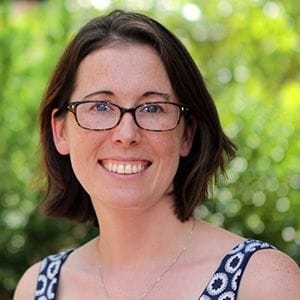
What is your research focus? What initially attracted you to your field?
My research program investigates charge transfer processes that underpin energy conversion processes, including interfacial electron transfer and proton-coupled electron transfer. I was drawn to this field because of the opportunity to advance renewable energy technologies.
What do you hope to bring to your journal?
The field of electrochemistry is rapidly expanding, drawing researchers from traditionally disparate backgrounds. As an AE at ACS Electrochemistry, I hope to help build an inclusive forum for all those that identify as electrochemists to share their advances and discoveries, thereby strengthening the electrochemistry community.
What are the major challenges facing your field today?
In the sunlight-to-fuels community, there are outstanding challenges in the efficient and effective integration of fuel-producing catalysts with photoelectrodes. There are also unanswered questions about catalysis in interfacial environments. Another major challenge for the field broadly is the training and education of the next-generation electrochemists for our emerging and evolving workforce opportunities.
Do you have a recent paper in an ACS journal that you'd like to highlight?
Methyl Termination of p-Type Silicon Enables Selective Photoelectrochemical CO2 Reduction by a Molecular Ruthenium Catalyst
Gabriella P. Bein, Madison A. Stewart, Eric A. Assaf, Stephen J. Tereniak, Renato N. Sampaio, Alexander J. M. Miller, and Jillian L. Dempsey*
DOI: doi/10.1021/acsenergylett.4c00122
Anna Junker, Topic Editor, ACS Medicinal Chemistry Letters
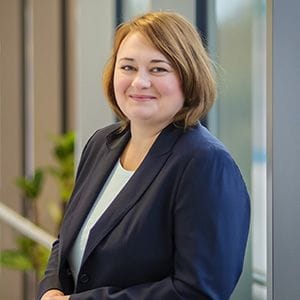
What is your research focus? What initially attracted you to your field?
I am a medicinal chemist with a strong focus on imaging tracer development. I always not only wanted to make compounds but also be able to explore their biological activity, hence my orientation towards medicinal chemistry. The possibility to see the molecules within the body and exploring their binding in tissues for diagnostic purposes was a game changer for me, and therefore, shifted my research focus strongly towards tracer development.
What do you hope to bring to your journal?
As Topic Editor, I hope to strengthen and highlight the field of imaging in ACS Medicinal Chemistry Letters and make it a pristine destination for future high-impact publications.
What are the major challenges facing your field today?
Artificial intelligence (AI) applications will have a strong impact on medicinal chemistry and imaging. We already generate lots and lots of data that we sometimes struggle to deal with in a meaningful way or get the most out of.
What do you think is the most interesting and/or important unsolved problem in your field?
There are plenty...early detection and curation of cancer, especially facing the increasingly aging population, will be an important challenge in the upcoming years.
Do you have a recent paper in an ACS journal that you'd like to highlight?
Our contribution to understanding the orthosteric binding site of P2X receptors and the discovery of subtype-selective orthosteric ligands.
Unveiling the Structure–Activity Relationships at the Orthosteric Binding Site of P2X Ion Channels: The Route to Selectivity
Andreas Isaak, Clemens Dobelmann, Friederike Theresa Füsser, Katharina Sophie Erlitz, Oliver Koch, and Anna Junker*
DOI: 10.1021/acs.jmedchem.2c00812
Fei Li, Associate Editor, ACS Electrochemistry
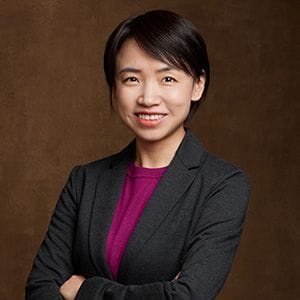
What is your research focus? What initially attracted you to your field?
Bioelectrochemistry.
What do you hope to bring to your journal?
I hope to bring more interest and a stronger connection between bioelectrochemistry to disease-related questions and real clinic problems.
What are the major challenges facing your field today?
How to monitor the fast electron/ion transfer reactions in biological systems?
What do you think is the most interesting and/or important unsolved problem in your field?
Complex reactions and processes across biointerfaces (i.e., cell membrane interfaces) and the cascade redox reactions in cell and biological systems.
Do you have a recent paper in an ACS journal that you'd like to highlight?
Investigating the Role of Extracellular Matrix Stiffness in Modulating the Ferroptosis Process in Hepatocellular Carcinoma Cells via Scanning Electrochemical Microscopy
Yuxiang Zhao, Zhaoyang Ye, Yulin Liu, Junjie Zhang, Shuake Kuermanbayi, Yan Zhou, Hui Guo, Feng Xu, and Fei Li*
DOI: 10.1021/acs.analchem.3c03771
Simon Matoori, Associate Editor, ACS Pharmacology & Translational Science
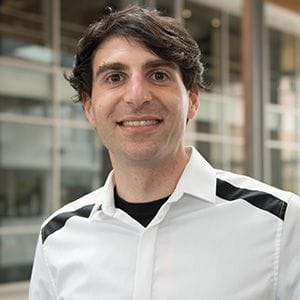
What is your research focus? What initially attracted you to your field?
My lab develops new biomaterials for diagnostic applications. In terms of materials, we are interested in vesicular reaction compartments (artificial cells) and hydrogels. In terms of disease, we are interested in sepsis and diabetic foot ulcers.
What do you hope to bring to your journal?
Expertise in biomedical engineering and biomaterials coupled with a translationally focused mindset.
What are the major challenges facing your field today?
There are challenges in translation in the diagnostics field: a lot of published systems never make it into the clinics. It is important to include validation studies in biorelevant media of the developed systems in publications.
What do you think is the most interesting and/or important unsolved problem in your field?
There are exciting challenges in device-free blood diagnostics where smartphones are used as the detector.
Do you have a recent paper in an ACS journal that you'd like to highlight?
Portable Near-Infrared Fluorometer for a Liposomal Blood Lactate Assay
Natalie Guirguis, Arturo Israel Machuca-Parra, and Simon Matoori*
DOI: 10.1021/acsptsci.3c00055
Anything else you'd like readers to know about you?
I am a pharmacist-by-training.
Andrea Mattevi, Associate Editor, Biochemistry
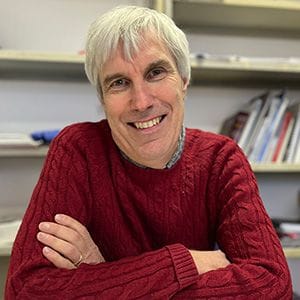
What is your research focus? What initially attracted you to your field?
I am passionate about biochemical transformations. My research activity has always dealt with the structure and function of enzymes. In the past years, our focus has been on redox enzymes and their role in signaling, immune defense and biosynthetic pathways. Additionally, our investigations extend to understanding the evolutionary dynamics of these enzymes—how they diversify and adapt, leading to shifts in their functionality over time.
What do you hope to bring to your journal?
Biochemistry marked its 70th anniversary just one year ago, underscoring its monumental impact on the advancement of biochemical science. The leading scientists in the field continuously published their best work in this journal. A wonderful illustration is the late Chris Walsh with his 200 articles published in Biochemistry. I hope that the journal will continue to play such as leading role, attracting submissions on the most exciting developments of contemporary biochemistry, especially from young investigators.
What are the major challenges facing your field today?
I believe that moving molecular and biochemical studies to the cell is our big challenge. For instance, how do enzymes organize themselves in the cell in time and space? How does physical proximity affect enzyme function? Modern tools are now allowing us to tackle and uncover this new layer of complexity.
What do you think is the most interesting and/or important unsolved problem in your field?
The effect of the crowded cell environment on biological catalysis and the structural organization of enzymes in loose cellular complexes are, in my view, two fundamental problems in contemporary biochemistry.
Do you have a recent paper in an ACS journal that you'd like to highlight?
We published a series of papers reporting on the development of tailored enzymes. These publications underscore the formidable synergy achieved by integrating mechanistic insights into protein engineering. They also attest the efficacy of creating international networks involving exceptional colleagues as they were all made possible by EU funded multinational grants.
Structural Elucidation and Engineering of a Bacterial Carbohydrate Oxidase
Alessandro Boverio, Wahyu S. Widodo, Lars L. Santema, Henriëtte J. Rozeboom, Ruite Xiang, Víctor Guallar, Andrea Mattevi, and Marco W. Fraaije*
DOI: 10.1021/acs.biochem.2c00307
Rationally Guided Improvement of NOV1 Dioxygenase for the Conversion of Lignin-Derived Isoeugenol to Vanillin
Mario De Simone, Laura Alvigini, Lur Alonso-Cotchico, Vânia Brissos, Jonatan Caroli, Maria Fátima Lucas, Emanuele Monza, Eduardo Pinho Melo, Andrea Mattevi*, and Lígia O. Martins*
DOI: 10.1021/acs.biochem.2c00168
Baeyer-Villiger Monooxygenases and Their Mechanism of Oxygen Activation: From Microbes to Humans
Filippo Fiorentini, Callum R. Nicoll, and Andrea Mattevi*
DOI: 10.1021/acs.biochem.1c00266
Randall Meyer, Topic Editor, ACS Catalysis
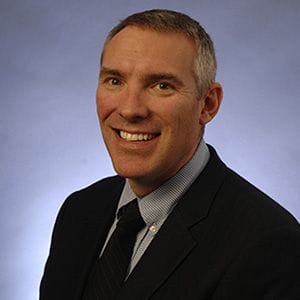
What is your research focus? What initially attracted you to your field?
I provide fundamental research support for a couple of processes that ExxonMobil hopes to commercialize in the near future. My job involves running a couple of reactors to collect kinetic data and performing catalyst characterization with a focus on X-ray absorption spectroscopy. In addition, I am the technical contact for a couple of external leverage programs at universities which involve development of catalytic descriptors using a combination of density functional theory and machine learning techniques. I was initially drawn to catalysis by an article in Scientific American by John Sinfelt about alloying effects (September 1985). It is somewhat serendipitous that I have landed at ExxonMobil- where Sinfelt did the seminal work that has shaped a generation of activity in the area of bimetallic catalysis.
What do you hope to bring to your journal?
Academic research is highly valuable in generating fundamental insight even if performed at conditions that are far from industrial relevance. However, to have true impact in terms of the practice of catalysis, catalysts must be tested at conditions that can translate to commercial operation. I hope I can help improve connections between academic and industrial researchers by drawing attention to some of these gaps.
What are the major challenges facing your field today?
Our field is facing an enormous challenge to enforce scientific rigor in the face of proliferation of publication. Everyone in the process: authors, reviewers and publishers are all feeling pressure in an unprecedented fashion. However, as a community we must try to adhere to reporting standards that allow for reproducible results as the alternative will result in an erosion of confidence. I hope I can incorporate ideas generated by a recent workshop on Rigor and Reproducibility in Heterogeneous Catalysis organized by Neil Schweitzer (Northwestern) into my role at ACS Catalysis.
What do you think is the most interesting and/or important unsolved problem in your field?
With the lowering cost of electricity, the use of electricity for heating in thermal catalysis or potential modulation in electrocatalysis has never been more important. I am excited to see how our field responds in the coming decade to challenges of decarbonization by using electrical power to a greater extent. In addition, the role of charge transfer in thermal, photo, and electrocatalysis will continue to be a key topic of examination.
Do you have a recent paper in an ACS journal that you'd like to highlight?
The most fun I ever had writing an article was a perspective I wrote with my former group at UIC for ACS Catalysis in 2018. I am still very intrigued by the perturbation of electronic effects using geometric effects in alloys. This has now been a topic of increasing examination in alloy catalysts (particularly in intermetallics). We have recently started working in this direction on metal oxides—although this is much more challenging given the lack of detailed information about the surface termination in a reactive environment.
Perturbation of Reactivity with Geometry: How Far Can We Go?
Randall J. Meyer*, Qiang Zhang, Anna Kryczka, Carolina Gomez, and Ruzica Todorovic
DOI: 10.1021/acscatal.7b03228
Anything else you'd like readers to know about you?
Prior to ExxonMobil, I spent 9 years as a faculty member in the Chemical Engineering department at University of Illinois at Chicago. Now I have been at ExxonMobil for 9 years so I have finally equaled my time in academia.
Anthony O'Mullane, Associate Editor, ACS Electrochemistry
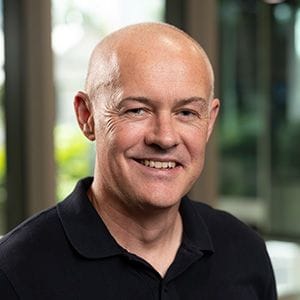
What is your research focus? What initially attracted you to your field?
My main area of focus is electrocatalysis and the synthesis of sustainable catalysts that can be used for electrochemical water splitting, CO2 conversion, and ammonia electrosynthesis. Electrochemistry is of interest to me as it can be applied to the chemical, physical and biological sciences and be used to understand systems involving electron transfer. This wide-ranging applicability plus the fundamental aspects of structure-activity relationships in electrochemical reactions makes it a highly attractive field.
What do you hope to bring to your journal?
I hope to bring increased awareness of electrochemistry to the wider community and showcase work from authors who are pushing the capabilities of electrochemistry in a wide variety of research areas. Supporting early career researchers is also important and helping with the communication of their exciting and emerging work.
What are the major challenges facing your field today?
I believe there are two aspects on either end of the scale that require attention. Understanding electrochemical processes at the nanoscale or active site level is incredibly important to understand the role of heterogeneity in electron transfer reactions, particularly at electrocatalytically active materials. The other major challenge is scaling up the synthesis of promising materials and studying them under industrially relevant conditions at a geometric scale that is meaningful for electrolysis at high current densities.
What do you think is the most interesting and/or important unsolved problem in your field?
Understanding the link between the electrochemical behaviour at the nanoscale/lab scale with that at the larger electrolyser scale is a difficult challenge. Can small scale experiments truly inform what will happen when scaled up and can key experiments/protocols be developed to predict this behaviour?
Do you have a recent paper in an ACS journal that you'd like to highlight?
Pulsing Liquid Alloys for Nanomaterials Synthesis
Mohannad Mayyas*, Maedehsadat Mousavi, Mohammad B. Ghasemian, Roozbeh Abbasi, Hongzhe Li, Michael J. Christoe, Jialuo Han, Yifang Wang, Chengchen Zhang, Md. Arifur Rahim, Jianbo Tang, Jiong Yang, Dorna Esrafilzadeh, Rouhollah Jalili, Francois-Marie Allioux, Anthony P. O’Mullane, and Kourosh Kalantar-Zadeh*
DOI: 10.1021/acsnano.0c06724
Anything else you'd like readers to know about you?
I am an Irish/Australian who is keen on running as well as sports fan and like to watch soccer, AFL (Australia) and GAA (Ireland).
William Pomerantz, Topic Editor, ACS Medicinal Chemistry Letters
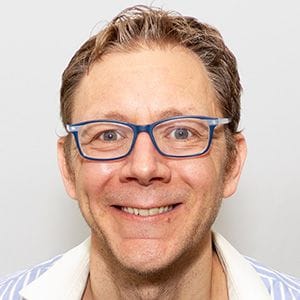
What is your research focus? What initially attracted you to your field?
My lab currently focuses on developing synthetic inhibitors and degraders of epigenetic protein complexes as well as the application of organofluorine chemistry in biology. Our programs are rooted in structure-based design and benefit from a biomolecular NMR technique we helped pioneer for small molecule discovery, protein-observed 19F NMR (PrOF NMR). This approach has been particularly well-suited for supporting fragment-based drug discovery projects. What initially attracted you to your field? When I was a graduate student, the rational design of inhibitors that disrupt protein-protein interactions (particularly those involving transcription factors), was seen as a grand challenge for the field given the large, plastic, and sometimes featureless interfaces at these interaction surfaces.
Distinct from this field, my Ph.D. research with Sam Gellman and Nick Abbott was strongly materials science focused on the design of self-assembling peptidomimetics for creating new classes of lyotropic liquid crystals. However, the insights gained in understanding molecular recognition and structure-property studies, naturally lent themselves to an appreciation of structure-activity-relationship studies which could be employed for targeting challenging protein-protein interactions, leading me to pursue a postdoc in chemical biology with Anna Mapp developing synthetic transcription factor mimics, and ultimately the PrOF NMR approach as a structural biology-based technique for finding inhibitors for transcription factor-protein interactions.
What do you hope to bring to your journal?
My background in structure-based design, fragment-based drug discovery, degrader development, and peptidomimetics lends a broad perspective for evaluating new medicinal chemistry approaches for challenging protein targets particularly those involved in transcriptional regulation. Additionally, from my training in chemical biology, I am on the look-out for new emerging technologies that are poised to make a significant impact on the field of drug discovery. Such technologies could be well-suited for the journal’s new Microperspectives.
What are the major challenges facing your field today?
I think there are a lot of exciting new approaches being developed for challenging the paradigms of what an accessible target is for drug discovery. Some of these approaches include beyond cysteine covalent inhibition, new proximity inducing bifunctional molecules targeting new enzyme classes, and RNA targeting with small molecules. Learning when and how to best employ these technologies is both a challenge and exciting opportunity for the field.
What do you think is the most interesting and/or important unsolved problem in your field?
I am fascinated by the interdisciplinary research surrounding biomolecular condensates from liquid-liquid phase separation. This phenomena is causing us to rethink mechanisms surrounding transcriptional regulation and is still going to require a deeper fundamental understanding of the molecular features underlying these states for both localizing biomolecules within cells, as well as modulating activities of small molecules. A great space for a chemist to play in!
Do you have a recent paper in an ACS journal that you'd like to highlight?
Design of Class I/IV Bromodomain-Targeting Degraders for Chromatin Remodeling Complexes
Huda Zahid, Jeff P. Costello, Yao Li, Jennifer R. Kimbrough, Marisa Actis, Zoran Rankovic, Qin Yan, and William C. K. Pomerantz*
DOI: 10.1021/acschembio.2c00902
I’m particularly excited about our recent efforts designing new degraders of nucleosome remodeling complexes NURF and CERF, which have a lot of untapped biology we are beginning to explore in the oncology space, particularly in pediatric cancer. Our work in the NURF space, started from our early studies using PrOF NMR to discover the first inhibitor for the largest member of the NURF complex, BPTF. The emerging biology from these two understudied remodelers, continues to highlight a lot of untapped opportunities for understanding their molecular mechanisms in disease and developing new therapeutics. We hope to have our next report out on BPTF in ACS Med. Chem. Lett soon!
Anything else you'd like readers to know about you?
I’m super passionate about all things related to organofluorine research, and as a home roaster for the last 15 years all things related to coffee.
Yuan Qiao, Topic Editor, ACS Infectious Diseases
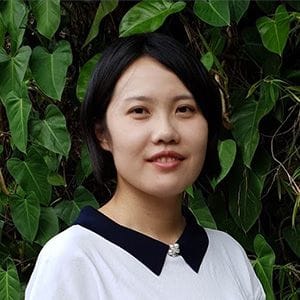
What is your research focus? What initially attracted you to your field?
My current research focuses on understanding gut microbiota-derived peptidoglycan fragments as effector molecules in hosts. We seek to utilize chemistry and chemical biology approaches to unravel mysteries of gut microbiome at the molecular level. My Ph.D. studies focused on bacterial peptidoglycan as an antibiotic target, while my postdoc stint involved bacterial-derived peptidoglycan fragments that trigger fungal invasion. These experiences attract me to the emerging and exciting field of gut microbiota-derived peptidoglycan fragments in microbiota-host crosstalk.
What do you hope to bring to your journal?
I hope that my experiences working in the interdisciplinary areas of chemistry and microbiology will promote more research to address the molecular underpinnings of gut microbiome and infectious diseases.
What are the major challenges facing your field today?
Firstly, there is a need for robust analytical and chemical approaches to characterize and manipulate gut microbiota-derived peptidoglycan fragments in hosts. Secondly, collective and collaborative efforts are needed from chemists, immunologists, and clinical scientists to explore the biological functions of these molecules.
What do you think is the most interesting and/or important unsolved problem in your field?
Bacterial peptidoglycan fragments have been long used as adjuvants to boost host immune responses (for instance, the complete Freund's Complete Adjuvant contains mycobacteria cell wall fragments). The field has just begun to appreciate that gut microbiota naturally produces bioactive peptidoglycan fragments that are ubiquitously present in our body and mediate many aspects of the host's health. Moving forward, it would be exciting to be able to precisely manipulate gut microbiota-derived molecules to benefit human health.
Do you have a recent paper in an ACS journal that you'd like to highlight?
I would like to highlight our work that revealed the critical residues in Candida albicans Cyr1 for peptidoglycan recognition and hyphal growth.
Molecular Docking Reveals Critical Residues in Candida albicans Cyr1 for Peptidoglycan Recognition and Hyphal Growth
Allan Wee Ren Ng, Lanxin Li, Evan Wei Long Ng, Chenyu Li, and Yuan Qiao*
DOI: 10.1021/acsinfecdis.3c00115
Shashank Shekhar, Topic Editor, ACS Catalysis

What is your research focus? What initially attracted you to your field?
My research is focused on using catalysis to enable safe, efficient, robust, and cost-effective synthesis of pharmaceutical intermediates. We apply and optimize the existing catalytic methods as well as invent new methods to streamline the synthesis of complex organic molecules on milligram to kilogram scale. We investigate the reaction mechanism in-depth to minimize side-product formation and to ensure robustness of the procedure. State-of-the-art automation, high throughput experimentation, and data-science tools are utilized to ensure production of high-quality drug substances with maximum efficiency.
I was attracted to organometallics and catalysis during my Ph.D. I was very excited to read about the applications of Pd-catalyzed cross-coupling technologies, my area of doctoral research, in chemical and pharmaceutical industries. I was particularly motivated by the power of these methods to simplify synthesis of structurally complex molecules. The reaction mechanism and the ability of trace amounts of catalyst to dictate the entire reaction course intrigued me. I often found myself wondering about how else can I improve the reaction selectivity or the catalytic turnover? Working in the pharmaceutical industry provides me the opportunity to apply my training to solve chemical problems that improve human health. I feel privileged to pursue my passion as a source of living while solving important problems!
What do you hope to bring to your journal?
ACS Catalysis is a premier platform to document fundamental advances made in the field of catalysis. I hope to capture novel applications that stretch the boundaries of these advances. I wish to make this journal more popular among my industrial colleagues and motivate them to share their synthetic discoveries and mechanistic discussions towards solving real-world problems. I also wish to fuel innovation via publication of targeted perspectives and highlights.
What are the major challenges facing your field today?
I would like to highlight the need to enhance the ability of non-precious metal (Cu, Ni, Co, Fe, etc.) catalysts to match the scope, robustness, and versatility of precious metal (Pd, Rh, Ir, etc.) catalysts. Impressive advances have been made in recent years but there are multiple opportunities for improvement. Having said that, I firmly believe that precious metal catalysts will continue to be valuable to the synthetic community. A deeper understanding of factors impacting the catalyst stability and turnover frequency is needed to drive the catalyst loading down. Coupling the mechanistic knowledge with the modern optimization and machine learning tools is needed to pair the reaction of interest with the optimal catalyst. More collaborations between academia and industry need to be encouraged to identify the most impactful problems to solve and to develop the most meaningful solutions. Another opportunity is to continue developing catalytic methods that enable formation of C(sp2)-C(sp3) and C(sp3)-C(sp3) bonds that can match the generality and robustness of Pd-catalyzed cross-coupling reactions.
What do you think is the most interesting and/or important unsolved problem in your field?
There are only a handful of catalytic reactions that are regularly used to make compounds on large scale. There are numerous promising methods that need to be further optimized and understood to enhance their application.
Do you have a recent paper in an ACS journal that you'd like to highlight?
Pd-Catalyzed Cross-Coupling Reactions Promoted by Biaryl Phosphorinane Ligands
Joshua D. Laffoon, Vincent S. Chan, Michael G. Fickes, Brian Kotecki, Andrew R. Ickes, Jeremy Henle, José G. Napolitano, Thaddeus S. Franczyk, Travis B. Dunn, David M. Barnes, Anthony R. Haight, Rodger F. Henry, and Shashank Shekhar*
DOI: 10.1021/acscatal.9b03012
I would like to highlight this ACS Catalysis paper we published in 2019. We became interested in phosphorinanes as ligands because of trace levels of copper present as an impurity in a popular biaryl phosphane ligand. While initially phosphorinanes were developed as an alternative to phosphanes in ubiquitous Pd-catalyzed cross-coupling reactions, during the course of our research we found advantages of using phosphorinanes. In later publications we have described the synthesis of phosphorinane ligands that are distinct from phosphanes and have demonstrated their application. We continue to prepare newer analogs that are being applied to enable challenging reactions on several gram to kilogram scale. This area of research has also allowed us to establish collaborations with academic groups.
Anything else you'd like readers to know about you?
I was born in India and moved to the USA for doctoral studies. I currently lead the Catalysis Group within the Process Chemistry department at AbbVie. I enjoy spending time with my wife and two kids. In my free time I play squash and travel.
Vicente Talanquer, Associate Editor, Journal of Chemical Education
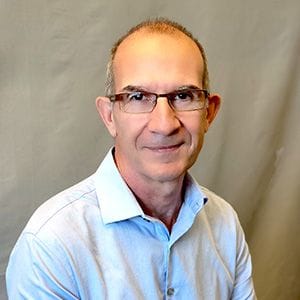
What is your research focus? What initially attracted you to your field?
My research focuses on chemistry education, with a particular interest in exploring student reasoning in our discipline. Since I started teaching, I have been interested in uncovering cognitive challenges students face to learn chemistry meaningfully and using this information to develop educational resources and strategies to help advance their understanding.
What do you hope to bring to your journal?
I have been conducting educational research for almost 20 years, and I hope that my knowledge and experience in the field will allow me to provide guidance and support for the work of upcoming chemistry education researchers.
What are the major challenges facing your field today?
Modern societies are facing challenges on a variety of fronts that have an impact on science and chemistry education. We are experiencing complex socioenvironmental problems, confronting serious diversity, inclusion, and equity issues, and grappling with advances in artificial intelligence. Educational actions in these areas must be informed by research rather than personal beliefs, which poses a challenge given the common disconnect between education research and practice in our field.
What do you think is the most interesting and/or important unsolved problem in your field?
Although chemistry education is a well-established field of research, the impact of research findings on educational practice is limited. The reasons for this disconnect are complex and should be better understood and tackled. If we are to develop and implement learning experiences in chemistry that can prepare a diverse set of students to address the complex challenges facing modern societies, we must figure out how to ensure that evidence-based teaching practices become the norm.
Do you have a recent paper in an ACS journal that you'd like to highlight?
I would point to this paper that illustrates how results from educational research could inform the development of different approaches to teaching chemistry that may result in more meaningful student learning:
Lessons from a Pandemic: Educating for Complexity, Change, Uncertainty, Vulnerability, and Resilience
Vicente Talanquer, Robert Bucat, Roy Tasker, and Peter G. Mahaffy*
DOI: 10.1021/acs.jchemed.0c00627
Svetlana Tsogoeva, Senior Editor, ACS Central Science
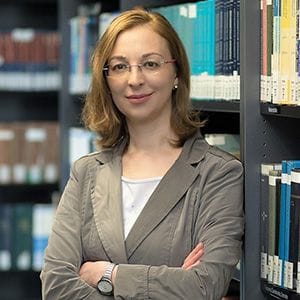
What is your research focus? What initially attracted you to your field?
My research aims to connect two powerful directions: catalysis and medicinal chemistry. My inspiration for medicinal chemistry began during my doctoral studies, where I worked on the total synthesis of modified steroid estrogens for structure-activity relationships (SARs) and drug design. Carrying out the total synthesis, I realized how time-consuming and waste-producing the classical “stop-and-go” approach is. My long-term goal became to develop environmentally friendly, straightforward, and waste-reducing catalytic methods for bioactive compounds and drug synthesis. Since starting my independent research in 2002, my team has strived to develop efficient synthetic methods for antiviral, anticancer, and antimalarial agents by applying catalysis (organo-, photo- and iron-catalysis) in multi-step domino reactions and one-pot processes.
What do you hope to bring to your journal?
ACS Central Science is a multi- and inter-disciplinary forum for disseminating highly impactful and innovative research in different areas of chemistry. I hope to promote ACS Central Science as the journal for publishing cutting-edge work in catalysis: organo-, photo-, electro-, enzyme-, and auto-catalysis. I hope also to bring a new focus on catalytic and potentially autocatalytic domino reactions for drug discovery applications.
What are the major challenges facing your field today?
Many obstacles exist during the drug discovery phase, from identifying putative therapeutic targets to initial hit compound-finding activities and, eventually, the delivery of robust drug candidates for clinical evaluation. One of the major challenges is expediting the drug discovery phase (which usually takes up to six years) at a significantly lower cost and in a shorter time. With the recent advent of artificial intelligence (AI), the drug discovery process can be simplified and accelerated in the future. This new technology can potentially help develop more effective, better-targeted drugs to combat emerging multidrug resistance to existing clinically used drugs. Nonetheless, many open questions remain about AI's impact on costs, and its future potential.
What do you think is the most interesting and/or important unsolved problem in your field?
Drug discovery is usually a time-consuming and expensive process. Straightforward catalytic synthetic methods provide opportunities to transform drug discovery. Sustainable catalytic reactions that directly modify an existing bioactive molecule or drug compound (e.g., via catalytic C–H fluorination, hydroxylation, or alkylation) into a closely related improved analog are highly useful for the synthesis of diverse molecular libraries for “Hit to Lead” optimization. This allows fast access to new drug compounds. The challenge is the development of catalytic methods that display broad functional group tolerance and allow a high level of diverse and predictable regioselectivity. Moreover, discovering and applying new autocatalytic reactions to synthesize interesting bioactive molecules and drug compounds without using any external catalyst or additive remains an unsolved challenge.
Do you have a recent paper in an ACS journal that you'd like to highlight?
I’m delighted to highlight our recent paper on new artemisinin–triazole hybrid compounds synthesized via organo-click reactions. The new hybrid compounds are highly potent in vitro against chloroquine-resistant and multi-drug-resistant Plasmodium falciparum strains. Moreover, the most potent hybrid drug was more efficacious in suppressing parasitemia and extending animal survival in Plasmodium berghei-infected mice (up to 100% animal survival) than the reference drug artemisinin, illustrating the potential of the hybridization concept as an alternative and powerful drug-discovery approach to overcome resistance.
Access to Artemisinin–Triazole Antimalarials via Organo-Click Reaction: High In Vitro/In Vivo Activity against Multi-Drug-Resistant Malaria Parasites
Lars Herrmann, Maria Leidenberger, Helenita C. Quadros, Benedikt W. Grau, Frank Hampel, Oliver Friedrich, Diogo R. M. Moreira*, Barbara Kappes*, and Svetlana B. Tsogoeva*
DOI: 10.1021/jacsau.3c00716
Motonari Uesugi, Senior Editor, ACS Central Science
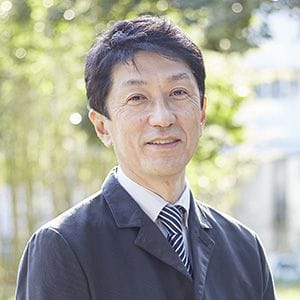
What is your research focus? What initially attracted you to your field?
As biological processes all stem from chemical events, it should be possible to understand or manipulate biological events by using chemistry. As chemical biologists, our challenge is to discover or design unique organic molecules, 'super tools' that modulate or illuminate fundamental processes in human cells.
What do you hope to bring to your journal?
As one of ACS's flagship journals, ACS Central Science serves as a testbed for the future. I hope to support ACS Central Science in experimenting with new initiatives, as well as in achieving a more balanced geographical representation in its publications and diversifying the range of covered topics.
What are the major challenges facing your field today?
Cutting-edge chemical biology research generates large volumes of data. Integrating these data into comprehensive models of biological functions adds complexity to the field. However, these models or algorithms could help us predict the biological effects of chemicals and provide insights into how chemicals acquire life-like properties.
What do you think is the most interesting and/or important unsolved problem in your field?
Life is composed of chemicals, but chemicals themselves are not life. At what stages do chemicals acquire life-like properties? The self-assembly of chemicals is believed to mark the beginning of life. Key questions include how cellular self-assemblies are created and controlled and how we can apply their principles to create self-assembling materials to make our planet a better place to live in.
Do you have a recent paper in an ACS journal that you'd like to highlight?
Magnetic Control of Cells by Chemical Fabrication of Melanin
Kosuke Nishio, Kohei Toh, Amelie Perron, Masato Goto, Masahiro Abo, Yuichi Shimakawa*, and Motonari Uesugi*
DOI: 10.1021/jacs.2c06555
Anything else you'd like readers to know about you?
Together with chemistry friends, we are promoting #chemistswhorun. Let's think about chemistry while running!
Jun Wu, Associate Editor, ACS Agricultural Science & Technology
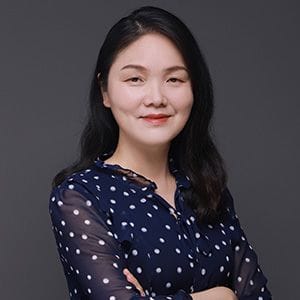
What is your research focus? What initially attracted you to your field?
I focus on fruit science, the research interests include molecular and genetic mechanism of fruit development, germplasm evaluation and population genetics, genomics and evolution, QTL mapping and molecular breeding. My work combines molecular, physiological, genetic, and genomic approaches. I was fascinated by the unexpected reactivity pattern of genes regulating main traits and compounds in fruit.
What do you hope to bring to your journal?
As an Associate Editor, I am looking forward to promoting the Journal in Asian countries and particularly to increasing the Journal's visibility in China. I hope to promote molecular breeding of fruit trees and attract more and more, high-quality papers from the related community.
What are the major challenges facing your field today?
Developing stable and high efficient transformation system is one of the major challenges for perennial trees, which is helpful to understand the gene function and conduct genetic improvement of fruit traits.
What do you think is the most interesting and/or important unsolved problem in your field?
The most exciting part for me is establishing genome-assisted breeding system, and developing new varieties with good flavor and high resistance traits in high-efficient ways.
Anything else you'd like readers to know about you?
My research focus on fruit science, the research fields include deciphering genome structure and function, exploring excellent genetic resources, developing molecular breeding technology to realize genetic improve of fruit quality in pear. The main achievements were focusing on three aspects:
- Revealing the whole genome sequence and profile of genetic variation of pear, constructing the international sharing platform of genomics data;
- Exploring the functional genes controlling fruit quality, clarifying the metabolism and genetic basis for red-color, sugar, stone cell of pear fruit;
- Constructing the highest density genetic map by SNP and SSR markers, localizing the QTLs and developing markers for fruit quality.
In recent years, as the first or corresponding author (including co-first or co-corresponding author), more than 80 peer review papers were published in Nature Communications, Genome Biology, Genome Research, Plant Biotechnology Journal, Plant Physiology, Plant Journal etc.
Venkateswarlu Yarlagadda, Topic Editor, Journal of Medicinal Chemistry
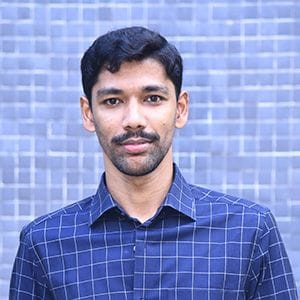
What is your research focus? What initially attracted you to your field?
Our group applies various complementary research strategies to address the problem of antibiotic resistance. The first is the rational chemical modification of existing, obsolete antibiotics to impart additional modes of action thereby enhancing their bioactivities. Targeted natural product drug discovery driven by resistance-guided genomic mining/screening is another strategy that we focus on for the identification of novel antibiotic scaffolds. We are also interested in developing novel small molecular therapeutics, and antibiotic adjuvants which target bacterial resistance mechanisms, bacterial virulence, and host-cell factors that are required for pathogen infectivity.
It was during my high school years that my interest in pharmaceuticals began to emerge, particularly sparked by the discoveries of Dr. Yellapragada Subba Row, renowned as the "Miracle Man of Miracle Medicines." During the early 1990s, when I battled a potentially life-threatening bacterial infection, I experienced complete failure of antibiotic treatment. Reflecting on this experience during my Master's studies in 2010, I pondered the reasons behind the antibiotic treatment's ineffectiveness, ultimately drawing me towards the field of antibiotic research. Fortunately, things worked out in my favor, and I have been conducting research in the area I have always wanted to pursue.
What do you hope to bring to your journal?
My role as a Topic Editor at the Journal of Medicinal Chemistry offers an exciting opportunity to uncover emerging research trends, shape the content of the journal, and disseminate groundbreaking discoveries. Given my expertise in antimicrobial resistance, antibiotic medicinal chemistry, and natural product antibiotic discovery; I intend to contribute and promote the journal in the domain of anti-infectives and its allied disciplines. Further, I am keen to assist the journal in increasing its scope, and diversifying its outreach among researchers, institutions, and organizations in order to better serve the community of infectious disease researchers and medicinal chemists.
What are the major challenges facing your field today?
Antimicrobial resistance (AMR) has emerged as a primary threat to the treatment of infectious diseases and indeed all modern medicine. The evolution of bacterial resistance occurs by natural selection which is unavoidable as AMR evolved parallelly with the discovery of antibiotics. This ever-increasing AMR calls for continuous efforts for the discovery and development of novel durable antimicrobials. Nonetheless, antibiotic discovery has been in peril over the last few decades.
What do you think is the most interesting and/or important unsolved problem in your field?
During the "golden age of antibiotic discovery," a plethora of natural product antibiotics were unearthed. However, many of these compounds failed to gain widespread attention due to their suboptimal pharmacological properties, coupled with the accessibility of more tractable antibiotics in the 1960s and 1970s. In light of the rise of antimicrobial resistance (AMR), now is an opportune moment to reassess neglected antibiotics as potential lead candidates. Optimizing these compounds presents an intriguing challenge for medicinal chemists. The development of antibiotic adjuvants that can selectively and efficiently target bacterial resistance mechanisms has posed a formidable challenge. With the exception of adjuvants specifically tailored to counter serine-beta-lactamases, which protect beta-lactam antibiotics, no other resistance inhibitors have successfully advanced to clinical practice. Nevertheless, microbes have developed resistance to every antibiotic introduced in clinical settings. Further, there is considerable promise in the development of dual-functional therapeutics that target pathogens while also modulating the host response to infection.
Do you have a recent paper in an ACS journal that you'd like to highlight?
A Screen of Natural Product Extracts Identifies Moenomycin as a Potent Antigonococcal Agent
Venkateswarlu Yarlagadda, Vishwas N. Rao, Manpreet Kaur, Allison K. Guitor, and Gerard D. Wright*
DOI: 10.1021/acsinfecdis.1c00040
Resistance-Guided Discovery of Elfamycin Antibiotic Producers with Antigonococcal Activity
Venkateswarlu Yarlagadda, Ricardo Medina, Timothy A. Johnson, Kalinka P. Koteva, Georgina Cox, Maulik N. Thaker, and Gerard D. Wright*
DOI: 10.1021/acsinfecdis.0c00467
Vancomycin Derivative Inactivates Carbapenem-Resistant Acinetobacter baumannii and Induces Autophagy
Paramita Sarkar, Sandip Samaddar, Veena Ammanathan, Venkateswarlu Yarlagadda, Chandradhish Ghosh, Manjulika Shukla, Grace Kaul, Ravi Manjithaya, Sidharth Chopra, and Jayanta Haldar*
DOI: 10.1021/acschembio.0c00091
Anything else you'd like readers to know about you?
I hail from Muppavaram, a small village in the state of Andhra Pradesh in South India. I completed my Ph.D. at Jawaharlal Nehru Centre for Advanced Scientific Research (JNCASR) in 2016 under the guidance of Prof. Jayanta Haldar. Following this, I pursued postdoctoral studies with Prof. Gerry Wright at McMaster University, Canada. Subsequently, I worked as a Scientist II at Dalriada Drug Discovery, Inc. in Canada for approximately 1.5 years. My journey as an independent researcher commenced in 2022 when I joined the Department of Chemistry at IIT Bombay as an assistant professor. Beyond academic duties, I enjoy spending time with my children and family. As a sports enthusiast, I love to play badminton and watch cricket.