Learn about the 2026 winners of ACS Publications' Nanoscience lectureships and awards.

Join us as we celebrate the 2026 Nanoscience Lectureship and Award winners, including the ACS Nano Lectureship and the ACS Nano Impact Award.
These awards recognize researchers whose work is pushing the boundaries of nanoscience and nanotechnology, advancing the tools and techniques that drive breakthroughs across chemistry and related fields.
This year’s recipients reflected on the influence of their research and shared their perspectives on where nanoscience and nanotechnology are headed next.
In their interviews, they discussed:
- How their research is making a difference in their field
- What excites them about the future of their research area
Together, their reflections offer insight into curiosity, discipline, and inventive thinking, shaping the future of nanoscience.
Browse by Award or Winner:
ACS Nano Lectureship
Winner: Dr. Ruquan Ye
Winner: Dr. Wei Tao
ACS Nano Impact Award
Winning team: Led by Prof. Ernst Meyer, Dr. Rémy Pawlak, and Dr. Chao Li (University of Basel); Prof. Shi-Xia Liu (University of Bern); and Dr. Martin Žonda (Charles University)
Winning Article: Individual Assembly of Radical Molecules on Superconductors: Demonstrating Quantum Spin Behavior and Bistable Charge Rearrangement
ACS Nano Lectureship
This award, presented in partnership with ACS Nano, honors two outstanding early career investigators conducting research in the areas of nanoscience and nanotechnology.
Winner: Dr. Ruquan Ye
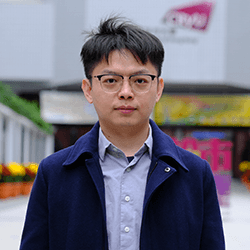
Dr. Ruquan Ye is a full professor in the Department of Chemistry at City University of Hong Kong. He received his B.S. in Chemistry from the Hong Kong University of Science and Technology (2012) and his Ph.D. from Rice University with Prof. James M. Tour (2017). He conducted postdoctoral research with Prof. Karthish Manthiram at the Massachusetts Institute of Technology before joining City University of Hong Kong as an Assistant Professor in 2018. His current research focuses on the rational design of molecular interfaces to address critical challenges in molecular catalysis. He serves on the early career editorial board of Materials Today Physics and Science China Chemistry.
Dr. Ye has received several honors such as Emerging Investigator/Rising Star from Small (2021), Journal of Materials Chemistry A (2022), Chemical Communications (2024), and Materials Today (2024), as well as the Wiley-ACES Outstanding Young Scientist in Porphyrin Chemistry (2023) and the ACS Nano Lectureship (2026).
What does being recognized by this award from ACS Nano mean to you?
I earned my PhD from Rice University, where Professor Richard Smalley’s discovery of C60 helped nanoscience flourish. Over the years, ACS Nano has been one of the premier homes for publishing nanotechnology research. My career path began with molecular design as an undergraduate in Professor Ben Zhong Tang’s group, followed by nanomaterials research during my PhD with Professor James M. Tour. Now, I work at the interface of molecular catalysts and nanomaterials. Ten years ago, as a PhD student, I struggled to publish in ACS Nano. Receiving the ACS Nano Lectureship a decade after my graduation is not only a recognition of my contributions but also a meaningful milestone in my career.
How is your research making a difference in the field?
Molecular catalysts are valued for their well-defined structures and clear structure–activity relationships. With a given molecular structure, in principle its electronic structures and catalytic activity can be precisely predicted via computation. However, even for the same molecular catalyst, reported performance often varies dramatically across different studies. Our research highlights the critical role of interfaces and microenvironments in governing catalytic performance, and shows that nanostructured molecular architectures offer unique control over these factors. By precisely engineering both structure and interfaces, we go beyond the limits of intrinsic molecular activity.
Drawing on our combined expertise in molecular design and nanotechnology, we have uncovered several new phenomena, including strain induction (Nature Catalysis, 2023) and microenvironmental modulation (Nature Nanotechnology, 2026) for molecular engineering. These findings provide general and versatile tools to tailor and fine-tune molecular catalysis.
What excites you most about the future of your research area?
A question we often ask ourselves is: Why nano? What can nano do that others cannot? I believe there is still vast unexplored territory in nanostructured molecular architecture.
Over the past decades, thousands of molecular catalysts have been developed for various reactions. Yet their optimization has largely focused on modifying the molecular skeleton. Nanostructured forms offer a common, powerful platform for further optimization—one that goes beyond the molecule itself. Conventional computational studies have focused almost exclusively on molecular structure, often overlooking extrinsic factors such as support effects and local microenvironments. This is where I see tremendous opportunity.
With advances in computation, including artificial intelligence and machine learning, we can accelerate the discovery of hidden catalytic activity in previously developed molecules. Given the sheer abundance and complexity of chemical reactions, I am excited that many more phenomena and catalysts are waiting to be uncovered, and nanostructured architectures will provide a unique key to unlocking them.
Winner: Dr. Wei Tao
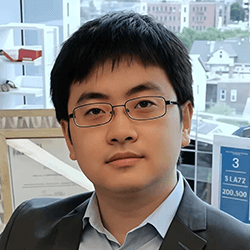
Dr. Wei Tao is the Farokhzad Family Distinguished Chair in Innovation (Endowed Chair) at Brigham and Women’s Hospital (teaching hospital of Harvard Medical School), and an Associate Professor of Harvard Medical School. He is also the Co-Director of the Nano Immune-Imaging Core, a core facility funded by the NIH through a P01 grant that supports research at the intersection of nanotechnology and immunology. He is a Fellow of the American Institute for Medical and Biological Engineering (AIMBE; elected 2025), and a Member of the Academia Europaea (The Academy of Europe, MAE; elected 2025). He has been named a Clarivate Analytics “Highly Cited Researcher” since 2021. His research focuses on nanotechnology, biomaterials, drug delivery, and translational medicine, with a specialized emphasis on gene and cell therapy.
What does being recognized by this award from ACS Nano mean to you?
For me, this recognition from ACS Nano is incredibly meaningful. This journal has been one of the cornerstones of the nanoscience community for my career—it's where I've turned to for transformative, translational insights as a reader, where my team has been proud to share our own work, and I've even had the privilege of serving as an active reviewer for the journal over the years. To be honored with this lectureship, alongside the incredible cohort of past winners whose research I've long admired and learned from, is such a humbling validation of the curiosity-driven path my team and I have taken to bridge nanoscience and translational medicine.
This award isn't just a recognition of me—it's a testament to the hard work, creativity, and grit of every student, postdoc, and collaborator who has contributed to our research over the years. As a nanoscience and nanotechnology investigator, this honor also comes with a renewed sense of motivation: it pushes me to keep pushing the boundaries of what we think is possible in translational nanomedicine, and to lift up other nanomedicine researchers, especially in their early career stage, as we work to make these breakthroughs accessible to patients around the world.
How is your research making a difference in the field?
While RNA therapeutics and other novel biologics have emerged as incredibly promising next-generation medicines, we've long lacked the effective delivery tools needed to get these therapies to the right places in the body, get past various tough biological barriers, and truly unlock their full potential for patients. My team set out to tackle these problems by developing new and translational nanotechnologies that can "train" therapeutics to be smarter—targeting specific cells, crossing tough physiological barriers, releasing their payloads exactly when and where they're needed, or reprogramming pathological microenvironments.
For example, we pioneered the development of lesional macrophage-targeted nanomedicines for atherosclerosis (Nat. Protoc. 2022; Nat. Nanotechnol. 2024): For years, treating this leading cause of death was limited by the inability to target the cells driving plaque instability, but our nanocarriers can deliver therapeutics to lesional macrophages, regulating them to shrink the dangerous necrotic core of plaques. These studies could shed light on the application of nanotechnology-mediated drug delivery to lesional macrophages for exploring new targets and pathways in treating human atherosclerosis (Nat. Rev. Cardiol. 2022). We also tackled another longstanding challenge: restoring tumor suppressor proteins, which are often lost or disabled as tumors grow (Nat. Rev. Cancer 2023). We pioneered different mRNA nanoparticle strategies to restore these proteins in vivo, delivering the genetic code to rebuild these critical "gatekeeper" proteins directly in the body (PNAS 2022 and 2023). One of the exciting extensions of these studies was our breakthrough with IL-10 mRNA nanoparticles, which broke the traditional notion that IL-10 only acts as an immunosuppressive factor—we showed it can actually reprogram suppressive tumor microenvironments to fight cancer via an mRNA nanotherapeutic strategy (Nat. Nanotechnol. 2025).
Moreover, we also addressed one of the biggest longstanding challenges in the field: oral delivery of liquid mRNA. For years, everyone thought the harsh acidic environment of the stomach would destroy fragile mRNA before it could even reach the intestines, but we developed RNACap, an engineered device that protects liquid mRNA nanotherapeutics through the GI tract (Sci. Transl. Med. 2025). This means that in the future, mRNA therapies and vaccines could be as simple as swallowing a pill, no injection needed—making these life-changing therapies far more accessible to patients. This work has opened up entirely new possibilities for mRNA medicine. Our foundational review on the landscape of mRNA nanomedicine (Nat. Med. 2022), which was highlighted in Nature's collection for the 2023 Nobel Prize in Physiology or Medicine, has helped guide the broader field as we advance these technologies.
And most recently, we also developed a new nanoplatform that brings plant photosynthesis mechanisms into mammalian disease treatment (Nat. Nanotechnol. 2026; Cell 2026). We essentially transplant a plant's natural "green factory" directly into cells through nanotechnology, building a "man-made photosynthetic cell" nanotherapy. This strategy uses natural biomaterials to reshape pathological microenvironments, with high biosafety and clinical translation potential, and is expected to promote the transformation and application of photosynthetic nanomedicine in treating human diseases.
What excites you most about the future of your research area?
What excites me most is that we're only just scratching the surface of what nanotechnology-enabled medicine can do. For so long, we've thought of many diseases as hard-to-tackle, but now we may have the “nano-tools” towards the precise medicine—to the right cell, at the right time—whether that's reprogramming the immune microenvironment to beat hard-to-treat cancers, resolving chronic inflammation to treat heart disease, or even restoring gut health for patients with inflammatory bowel disease, in the foreseeable future.
In our own lab, we're already on the way to moving these platforms closer to the clinic. It's also amazing to see our work being adopted and extended by the community, turning lab discoveries into clinical potential. Beyond that, I'm thrilled by the convergence of fields right now—we're integrating artificial intelligence with nanotechnology and RNA science to design better, faster therapies, as we outlined in our upcoming work on AI in mRNA technology. We're even starting to explore how these tools can help with healthy aging and preventing disease before it starts.
The pace of innovation in this space right now is incredible. We're moving far beyond the idea of nanotechnology in medicine as a lab curiosity, to a reality where we can make medicines that are more effective, less invasive, and more accessible to people all over the world. I can't wait to see what we can accomplish together, as a community, in the years ahead.
ACS Nano Impact Award
This award is presented to a team of authors of a paper—or papers—published in ACS Nano in the two calendar years immediately prior to the year the award is presented.
Winning Team: Led by Prof. Ernst Meyer, Dr. Rémy Pawlak, Dr. Chao Li Prof. Shi-Xia Liu, and Dr. Martin Žonda
Winning Article: Individual Assembly of Radical Molecules on Superconductors: Demonstrating Quantum Spin Behavior and Bistable Charge Rearrangement
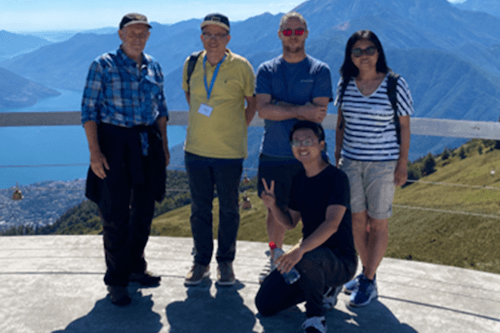
What does being recognized by this award from ACS Nano mean to the team?
This is truly a great honor. ACS Nano is one of the leading journals in the field of nanoscience and nanotechnology—a journal we follow closely and are delighted to publish in. Not only is it a privilege to publish in it, but the fact that an article has been honored with the ‘Impact Award’ by this scientific community carries great significance and means a great deal to us.
This award is significant not only because it recognizes scientific achievements, but also the collaboration behind them. For many years, we have been fortunate to work closely with Prof. Shi-Xia Liu and Prof. Silvio Decurtins at the University of Bern. Our collaboration has focused on the investigation of self-assemblies and chemical reactions of organic molecules on noble metals using low-temperature atomic force microscopy, and more recently on the creation of molecular spin lattices on superconductors.
For us, this award is both a testament to our long-standing partnership and a great source of motivation to continue on this path—and we are very much looking forward to what lies ahead.
How is your research making a difference in the field?
In this work, Dr. Chao Li tediously assembled dimers and short chains of radical molecules on Pb(111) using STM manipulation. The molecule of our choice was a tetrabromo-tetraazapyren derivative synthesized at the University of Bern—a molecule that has proved to be a real workhorse in our research and has already contributed to numerous publications.
When this molecule is adsorbed directly onto Pb(111), it can become charged by accepting one electron from the substrate, thereby forming a system with spin ½. Experimentally, we have confirmed the interaction of their spins with the superconductor by probing the Yu-Shiba-Rusinov (YSR) states in the Pb band gap using tunneling spectroscopy at 1 K.
In dimers, the spins couple to one another in complex ways due to local screening and charge redistribution (a behavior that deviates from that of classical spins), as our colleagues at the Czech Academy of Sciences, Dr V. Pokorný and Dr M. Žonda, have demonstrated. The properties of the dimers can also be tuned through manipulation: the intermolecular distance determines the YSR energy, whilst the splitting of the YSR states into two pairs can be engineered by adjusting their relative orientation.
In larger structures, odd-numbered chains exhibit a periodic pattern of YSR states localized every second molecules, whilst chains of even length display the same arrangement, but with a dimer at one of the ends. Interestingly, the dimer can spontaneously move from one end to the other under the external field induced by the nearby tip. Since these two configurations can be switched in a non-destructive manner by the probing tip, we demonstrate that the chains with even lengths act as units of information, based on the reorganization of the single-electron charge.
What excites the team most about the future of your research area?
This work is really just the tip of the iceberg. We are fortunate that there is still a great deal of exciting research ahead of us. By chemically modifying the molecular precursor at will, we can fine-tune its electron affinity and tailor the charge and spin structures on surfaces.
Using self-assemblies of identical molecules on Pb(111), we were also able to demonstrate the controlled discharge of anionic molecules at the surface (Nanoscale Horiz. 2025, 10, 2365–2373) as well as the emergence of zero-energy edge modes that could be associated to Majorana zero modes (Nano Lett. 2025, 25, 15206–15214). The next step is to better tailor these properties by constructing complex structures from radical molecules using tip manipulation. To this end, we are currently developing an autonomous manipulation method using deep learning techniques. A further approach involves integrating these organic-superconducting hybrid systems into quantum transport devices for measurements at temperatures in the millikelvin range. Ultimately, we hope that these efforts will contribute to the development of future quantum technologies.
Stay informed about upcoming nomination opportunities
Bookmark the post below and check back throughout the year for the latest news and announcements about nominations for future lectureships and awards.
Nanoscience Lectureships and Awards
Explore both current and past journal lectureships and awards from ACS Publications' Nanoscience portfolio.