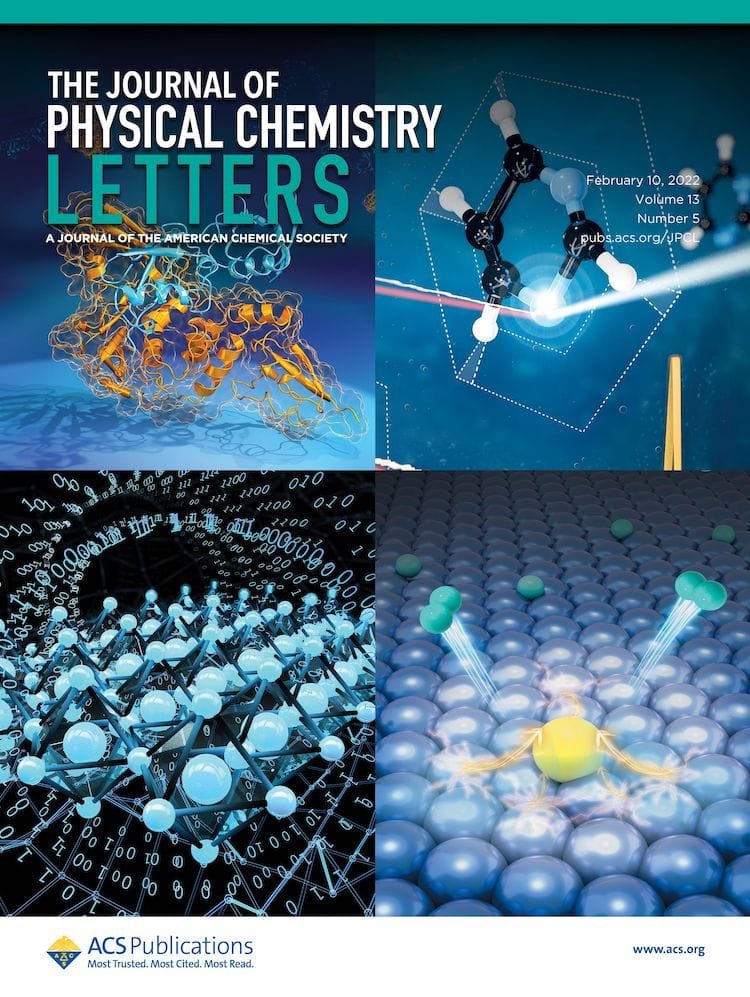
Explore standout research and hear directly from the rising scientists behind our Future Leaders in Physical Chemistry Special Issue.

The Journal of Physical Chemistry Letters is delighted to present the following interviews with the authors whose papers were accepted into our Special Issue, Future Leaders in Physical Chemistry. The contributions of our early career researchers are essential to the journal and we appreciate all of their support. We are excited to spotlight their research, their views in the field, and their advice for the next generation of scientists who we hope will become the next iteration of Future Leaders.
Browse by Author:
Somnath Biswas, Tata Institute of Fundamental Research
Hsing-Ta Chen, University of Notre Dame
Biswajit Das, Amrita University
Camilla Di Mino, University of Oxford
Wenjie Dou, Westlake University
Thomas Fay, University of California, Los Angeles
Ricardo J. Fernández-Terán, University of Geneva
Tarak Karmakar, IIT Delhi
Zhuoran Kuang, Beijing University of Posts and Telecommunications
Zifeng Lin, Sichuan University
Yingliang Liu, Institute of Biotechnology of the Czech Academy of Sciences
Premashis Manna, The Ohio State University
Leonardo Evaristo de Sousa, Technical University of Denmark
Neil Qiang Su, Nankai University
Xiang Sun, New York University
Dhara Trivedi, Clarkson University
Sachin Dev Verma, Indian Institute of Science Education and Research Bhopal
Sabine Wenzel, Marburg University
Fang Xu, The University of Texas at San Antonio
Zhenyi Yu, Tianjin University
Zhedong Zhang, City University of Hong Kong
Zhilong Zhang, South China University of Technology
Somnath Biswas, Tata Institute of Fundamental Research

How would you describe your research to someone outside your field?
We study how electronic charge and energy flow inside materials at incredibly fast timescales—on the order of femtoseconds, or a millionth of a billionth of a second. This is important both scientifically and technologically, because at these fast timescales the fundamental interactions between electrons, atoms, and spins govern how materials absorb light, transport charges, and store information.
We develop and use laser-based optical and x-ray techniques that act like an ultra-high-speed camera to watch these processes in real time. This allows us to directly connect a material’s microscopic structure with its properties and functions. This knowledge enables the design of more efficient materials for solar energy harvesting, faster data storage, and future optoelectronics and quantum technologies.
What exciting advances in your field do you anticipate in the next ten years?
One of the most exciting aspects of science is the possibility of unexpected discoveries, so it is difficult to predict what scientific breakthroughs are waiting for us. However, if I had to guess, I believe our field is progressing in two major directions. The first is the development of novel nonlinear ultrafast spectroscopic techniques across all spectral ranges (terahertz to the x-ray domain) with new frequency–frequency correlation information, and addressing open questions related to non-adiabatic dynamics in molecular photochemistry.
In parallel, applying these advanced spectroscopic tools to emerging classes of materials, such as magnetic materials, strongly correlated systems, and quantum materials, is another exciting direction. This will extend the well-defined concepts of vibronic and spin–vibronic interactions from molecules to complex condensed-matter systems. Together, these advances will deepen our understanding of non-equilibrium phenomena and enable precise control over molecular and material properties to achieve targeted excited-state dynamics and optimized functionalities.
What would your advice be to someone just starting out in the field?
For someone just starting out in this field, my main advice would be the following:
Build a strong foundation: Understanding complex ultrafast phenomena requires a deep understanding of physical chemistry, electronic structure theory, and spectroscopy, and building solid foundations in these areas goes a long way; it enhances research rigor and raises the standard of the field.
Develop practical skills: It is equally important to develop skills in both experimentation and data analysis, because spectroscopic research often requires combining advanced optical instrumentation with computational tools for data processing and simulations.
Collaborate and communicate: Since the field of ultrafast materials science relies on interdisciplinary interactions among materials scientists, spectroscopists, and theorists, it is important to learn from experts across different disciplines and to be open to collaboration.
Retain the curious mind: Pursuing science demands persistence, and success is often built on a long path filled with failed attempts. In those difficult hours, it helps to remember the younger, curious kid who first began this journey and what inspired them.
Hsing-Ta Chen, University of Notre Dame
How would you describe your research to someone outside your field?
My research focuses on a fundamental challenge in nanotechnology: how to move energy efficiently through organic materials. Usually, when molecules are arranged in a specific way called a “magic angle,” they effectively become decoupled from one another, and energy transport stops. We have discovered that by placing these molecules near a metallic surface, we can use the surface as a bridge to “reconnect” them. This creates a significant enhancement in energy transport, essentially turning a low-conductivity material into a high-speed quantum highway. This work demonstrates that we can use the environment of a molecular system to overcome its internal physical limitations.
What exciting advances in your field do you anticipate in the next ten years?
I anticipate a major paradigm shift in how we understand intriguing phenomena as induced by disorder. Traditionally, disorder and complex interfaces have been viewed as obstacles to efficiency, but we are beginning to see them as powerful design parameters. Key advances will likely include:
- Exploiting metallic surfaces to “delocalize” energy states, allowing excitons to bypass material defects and transport energy over a much longer range.
- Creating a new class of optoelectronic devices where the light–matter interactions at the interface between organic layers and metal surfaces are the primary driver of performance.
- Understanding how surface-mediated interactions can protect quantum energy transport from the noise and disorder inherent in real-world material systems.
What would your advice be to someone just starting out in the field?
My advice is to look for opportunities in the seemingly messy details. In physical chemistry, we often try to simplify systems to avoid complexity, but the most exciting phenomena, like the surface-induced enhancement of transport, emerge from complex interactions at the interface. Master the ability to bridge quantum mechanics with classical electrodynamics; being able to describe how a single molecule interacts with a macroscopic surface is a vital skill. Finally, don’t be discouraged by suppressed results; sometimes a bottleneck like the magic angle is just the starting point for interesting discovery.
Biswajit Das, Amrita University
How would you describe your research to someone outside your field?
Every living organism has a highly advanced system to detect and respond to chemical signals such as hormones, nutrients, drugs, and toxins. Cells must continuously decide which signals to respond to and how strongly they should react. This ability is called biological sensitivity, and it is essential for life. A well-known example is hemoglobin, the protein in red blood cells that carries oxygen. When one oxygen molecule binds to hemoglobin, it becomes easier for the next oxygen molecule to bind. This cooperative behavior allows our blood to efficiently absorb oxygen in the lungs and release it where the body needs it most. Scientists usually measure this sensitivity using a quantity called the Hill coefficient, but it mainly describes the overall behavior without fully explaining the deeper molecular processes.
In our work, we studied these molecular processes by focusing on random fluctuations in molecular binding. These fluctuations are often treated as noise, but we discovered that they contain important information about biological sensitivity. We used a statistical quantity called the Fano factor to measure how the fluctuations differ from a completely random process. When molecules cooperate positively, like oxygen binding to hemoglobin, the fluctuations show a characteristic nonlinear pattern. When molecules act independently, the fluctuations follow a simple straight-line behavior. Most importantly, we mathematically proved that the ratio of these fluctuation measures under cooperative and noncooperative conditions is exactly equal to the classical Hill coefficient. This gives a deeper physical explanation for biological sensitivity and shows that the Hill coefficient directly reflects underlying molecular fluctuations.
More broadly, our research changes the way we think about noise in biological systems. Random fluctuations are usually considered a problem, but our work shows that they actually carry meaningful information about how biological systems function and make decisions. Even in extremely noisy molecular environments, cells respond with remarkable precision and reliability. This suggests that evolution has cleverly used molecular fluctuations to create highly sensitive and cooperative biological networks. Understanding this relationship between fluctuations and sensitivity may help in designing better biosensors, improving drug development, and building more accurate theoretical models in systems biology and biophysics.
What exciting advances in your field do you anticipate in the next ten years?
Over the next ten years, major advances are expected in understanding how biological systems use molecular fluctuations and noise to process information and make decisions. Traditionally, scientists studied biological signaling mainly through average behavior. They focused on how a system responds overall rather than studying the variability inside the system. Our work challenges this idea by showing that fluctuations themselves contain important information about biological sensitivity. We showed that this information is encoded in a statistical quantity called the Fano factor. Rapid progress in experimental methods, such as single-molecule imaging, high-resolution microscopy, and real-time tracking of molecular interactions inside living cells, will allow scientists to observe these fluctuations directly. At the same time, improved stochastic mathematical models will help to explain how cells communicate, how proteins interact, and how biochemical regulation works. This will move the field toward a more physically grounded understanding of biological sensitivity at the microscopic level.
Another major advance will come from combining statistical physics, computational modeling, and modern data science to study complex biological networks. Our work showed that the behavior of the Fano factor can clearly distinguish positive cooperativity, negative cooperativity, and independent binding. This provides a more fundamental understanding of sensitivity than traditional approaches. Extending this fluctuation-based framework to larger biological systems with many interacting proteins and signaling molecules will be an important challenge in the coming decade. Machine learning and artificial intelligence will also play an important role. When combined with stochastic physical models, these methods can uncover hidden cooperative patterns inside noisy biological data. This may lead to better predictive models of cellular decision making, adaptive responses, and biological network stability under changing conditions.
Major advances are also expected in medicine and biotechnology. Our work suggests that molecular fluctuations are not simply unwanted noise. Instead, they contain meaningful biological information. Since cooperative binding is central to immune responses, hormone signaling, drug interactions, and gene regulation, understanding these fluctuations can lead to many practical applications. It may help in developing highly sensitive biosensors, smarter synthetic biological circuits, and more precise therapies. Fluctuation-based diagnostic methods may eventually detect very early molecular changes linked to disease before conventional methods can identify them. This could open new possibilities in precision medicine and early disease detection. More broadly, the coming decade may bring a major conceptual shift in biology, physics, and medicine. Molecular noise and fluctuations may no longer be viewed as problems to avoid, but as fundamental principles that living systems use to achieve remarkable sensitivity, adaptability, and intelligence.
What would your advice be to someone just starting out in the field?
My advice to someone starting in this field is to build a strong foundation in both physical sciences and quantitative methods. Do not feel intimidated by the wide range of subjects involved. Modern biological research is highly interdisciplinary. It combines physics, chemistry, mathematics, and biology. Our own work is an example of this connection. To understand cooperative molecular binding and biological sensitivity, we used ideas from statistical physics, probability theory, stochastic processes, and biochemical kinetics. We studied how molecules randomly bind and unbind, how these random events create fluctuations, and how these fluctuations connect to biological sensitivity. Because of this, subjects like probability, thermodynamics, and mathematical modeling are extremely important. Many important biological phenomena arise from random molecular interactions rather than simple predictable behavior. At first, this broad field may seem overwhelming, but with time and curiosity, the connections between these subjects become much clearer.
I would also encourage young researchers to pay close attention to fluctuations and variability in biological systems. In science, fluctuations are often treated as unwanted noise. However, our work shows that these fluctuations can contain very important biological information. In our study, we analyzed the fluctuations in molecular binding using a quantity called the Fano factor. This helped us uncover a deeper and more physically meaningful understanding of biological sensitivity than traditional methods alone could provide. Young researchers should learn to think beyond average behavior. Instead of asking only what the average outcome is, also ask how and why the system fluctuates around that average. This microscopic and statistical way of thinking can reveal new insights into biological signaling, regulation, and cellular decision making. It is also important to question established ideas and commonly used measures, because many traditional biological quantities may still hide deeper physical mechanisms.
Finally, I would advise new researchers to develop patience, persistence, and enthusiasm for interdisciplinary collaboration. Important scientific discoveries rarely happen quickly or in isolation. Modern biological physics is advancing rapidly because of progress in experimental methods, computation, mathematical modeling, and data science. The researchers who will contribute most are those who can work across these different areas. Our own work required careful mathematical analysis, theoretical thinking, and the willingness to re-examine accepted ideas. Learning computational tools, stochastic simulation methods, and modern data analysis techniques will be very helpful. Most importantly, remain open to crossing traditional disciplinary boundaries. The future of biological science will likely emerge at the intersection of physics, biology, mathematics, and artificial intelligence. Curious, collaborative, and well-prepared young scientists will have the greatest opportunity to make important contributions in these areas.
Camilla Di Mino, University of Oxford

How would you describe your research to someone outside your field?
My research looks at bonds between molecules in liquids. These interactions exist over a wide range of distances and timescales, and the balance between them determines the overall assembly. Molecular structure has a clear impact on liquid macroscopic behaviors, so by understanding these interactions we can predict and control liquid phase processes.
What exciting advances in your field do you anticipate in the next ten years?
It is a very exciting time for understanding liquid behaviors given the upcoming advances in instrumentation that will soon allow measurements to be taken at almost 1/10th of the time (SANDALS II @ISIS Neutron and Muon Source), coupled with the recent development of machine learning predictive tools. The hope is that we can work in synergy toward a better understanding of solution processes, central to many applications, from biology to energy.
What would your advice be to someone just starting out in the field?
I would advise not to be scared by the apparent lack of immediate application of physical sciences, as the relationship between practical impact and advancing knowledge is rarely linear.
Wenjie Dou, Westlake University
How would you describe your research to someone outside your field?
My research is primarily on excited-state electronic structure and nonadiabatic dynamics of complex molecular systems. We study electron transfer and energy relaxation when molecules get excited by light.
What exciting advances in your field do you anticipate in the next ten years?
I think we are very close to bridging the gap between electronic structure and nonadiabatic dynamics, which will allow us to model complex molecular behavior in real time very accurately.
What would your advice be to someone just starting out in the field?
This is a fast-growing field. My advice is to embrace new tools, such as new theories, advances in computational power, and machine learning. These tools can be very helpful in computational chemistry.
Thomas Fay, University of California, Los Angeles

How would you describe your research to someone outside your field?
My group develops theoretical models and computational simulation tools to describe the quantum behavior of chemical systems. We’re especially interested in understanding phenomena where structural chirality, quantum spin, and light-driven chemistry all play an important role, and when this is all happening in complicated condensed phases, like in solution and proteins.
What exciting advances in your field do you anticipate in the next ten years?
I think the confluence of new accurate quantum dynamics methods for the condensed phase, new quantum chemistry methods for excited electronic states, and acceleration of simulations through machine learning is going to open some really exciting doors to understanding and engineering some really complicated light-driven systems for chemistry and for molecular quantum information science.
What would your advice be to someone just starting out in the field?
Really learn to understand the computational and theoretical methods you’re using. This is the only way you can know where they’re applicable and how to improve them.
Ricardo J. Fernández-Terán, University of Geneva

How would you describe your research to someone outside your field?
We want to examine reactions on ultrafast timescales taking full advantage of the time resolution attainable with a broadband pulse, then resolving the excitation axis in frequency (hence the 2D aspect). Moreover, with the right combination of pulses, we aim to not only probe directly the reaction coordinate(s) of proton-coupled electron transfer (PCET) reactions, but also to perturb these coordinates and obtain crucial mechanistic information—ideally also being able to steer the molecules in the excited state.
What exciting advances in your field do you anticipate in the next ten years?
I believe the advent of ultrafast sources with very high repetition rates has already widened our horizon significantly. I anticipate more developments in the direction of surfaces/interfaces, with both high spatial and temporal resolution, and the combination of multidimensional techniques across different frequency domains. Also, ultrafast x-ray spectroscopy is gaining momentum, so I would also like to dream about multidimensional x-ray spectroscopies.
What would your advice be to someone just starting out in the field?
I would advise someone just starting to learn many techniques, as currently the research is more about the chemical/physical question and not so much about the techniques themselves. Multidimensional optical spectroscopies have reached a good level of maturity, and now the focus is shifting more into which samples we can measure and what we can learn from them.
Tarak Karmakar, IIT Delhi

How would you describe your research to someone outside your field?
I often describe my work as trying to “watch molecules in action—almost like they are dancing and interacting with each other!” through computer simulations. Many of the most important processes in nature—how a protein folds, how a nanoparticle or crystal forms, how a chemical reaction occurs in solution, or how a drug finds its target protein—happen at time and length scales that are incredibly difficult to observe directly using experiments. Through computer simulations, in particular, molecular dynamics (MD) simulations, we can “simulate” (mimic) these processes in a virtual environment—on the computer—and study them in detail.
What excites me most recently is combining these simulations with artificial intelligence (AI)—“AI-driven MD simulations”! It’s a bit like giving our models a kind of “guided intuition,” helping them explore complex molecular landscapes efficiently and more intelligently, especially in systems such as multicomponent solutions, nanomaterials, and biomolecules where the behavior is rich but often difficult to predict or fully understand.
What exciting advances in your field do you anticipate in the next ten years?
I think we are at a very exciting juncture where computer simulations are getting smarter and more efficient, allowing us to understand complex systems with unprecedented molecular-level detail and improved predictive capability, especially when integrated with AI and machine learning (ML). For a long time, simulations were constrained by a trade-off between accuracy and computational cost, but that gap is starting to disappear. Advances in computing hardware, particularly GPUs, along with the development of AI-driven methods such as machine learning interatomic potentials (MLIPs), are enabling near quantum-level accuracy while still allowing us to study large, realistic systems. I believe that we are not far from the time when the community would be using MLIPs for almost all systems, including large biomolecules!
Looking ahead, I am particularly excited about the integration of large language models (LLMs), generative AI (Gen-AI), and emerging agentic AI frameworks with molecular dynamics and enhanced sampling methods. These methods could fundamentally change how we interpret simulations, sample “rare events” (processes that are slow but important), and even generate new molecular configurations—almost like navigating a vast and complex landscape with a much more informed map.
There is also growing momentum around quantum computing and quantum-inspired methods. Although still in their early stages, these research areas have the potential to reshape how we think about molecular modeling and simulating chemical, materials, and biological systems.
What would your advice be to someone just starting out in the field?
Take the time to build strong fundamentals, but keep an open mind about exploring beyond traditional boundaries! When I started, the computational chemistry field was already interdisciplinary, but today it has expanded further—bridging mathematics, chemistry, physics, biology, computer science, and data science. It is also important to remain curious about how things work beneath the surface. Instead of just developing new methods and applying them to various systems, try to understand their mathematical foundations, underlying assumptions, and limitations; that’s often where new ideas begin to take shape!
And finally, be patient with yourself. Research can be slow and sometimes frustrating, but persistence really pays off. Some of the most rewarding moments come after long periods of uncertainty and multiple setbacks.
For those starting their journey as new PIs: build a strong and supportive research team with students from diverse backgrounds, have cross-learning by assigning them collaborative projects, allow them to express themselves and be creative, encourage teamwork, and motivate them to opt for collective growth rather than focusing too much on individual milestones. And perhaps just as importantly, having a group of positive and fun-loving people makes the research journey all the more enjoyable.
Zhuoran Kuang, Beijing University of Posts and Telecommunications

How would you describe your research to someone outside your field?
My research focuses on how molecules interact with light, especially on extremely short timescales (picoseconds to femtoseconds). When a molecule absorbs light, it enters an excited state and may undergo a series of ultrafast processes—such as structural relaxation, energy transfer, charge transfer, or proton transfer—that ultimately determine its function in devices like solar cells, light-emitting diodes, or photocatalysts. We use ultrafast laser spectroscopy as a “slow-motion camera” to capture these fleeting events, and we combine it with computational methods to rationally design new photo-functional materials. Simply put, I am fascinated by how light drives chemical and physical processes inside molecules, and I hope to use this knowledge to create better materials for sustainable energy and advanced optoelectronics.
What exciting advances in your field do you anticipate in the next ten years?
I foresee three major breakthroughs. First, the deep integration of machine learning and artificial intelligence with ultrafast spectroscopy will allow us to predict excited-state dynamics from molecular structure alone, greatly accelerating the rational design of organic optoelectronic materials. Second, we are likely to see the realization of room-temperature quantum coherence in molecular aggregates, opening new possibilities for quantum information processing and efficient energy transport. Third, the development of advanced multidimensional and nonlinear spectroscopic techniques will enable us to directly observe and control reaction pathways in complex systems, including proton-coupled electron transfer and photochemical reactions in condensed phases. These advances will blur the boundary between fundamental photochemistry and practical device engineering.
What would your advice be to someone just starting out in the field?
First, build a solid foundation in both physics and chemistry—excited-state phenomena lie precisely at the intersection of quantum mechanics, statistical thermodynamics, and molecular structure. Second, do not be afraid of experimental failures; ultrafast spectroscopy is technically very challenging, and the process of troubleshooting is often where the most important learning takes place. Third, even if you are an experimentalist, embrace computational tools early in your career—simulations can guide experiments and reveal mechanisms that are invisible in raw data. Finally, cultivate a genuine curiosity about the “why” behind phenomena. The field moves quickly, but a deep understanding will take you further than simply chasing hot topics.
Zifeng Lin, Sichuan University

How would you describe your research to someone outside your field?
My research is about developing better energy storage systems for the future. While current technologies have made a major impact, they still face important limitations in safety, lifetime, cost, and energy density. I am interested not only in improving existing systems, but also in exploring new materials and chemistries that can go beyond those limits.
A major part of my work focuses on new materials, especially two-dimensional materials such as MXenes, as well as the discovery of new electrochemical systems based on novel redox chemistries. More broadly, I hope this research can help open new directions for next-generation energy storage technologies.
What exciting advances in your field do you anticipate in the next ten years?
I believe solid-state batteries will be one of the most exciting and fastest-developing areas in the next decade. They offer great promise for improving safety and energy density, and they may also enable new battery chemistries that are difficult to realize in conventional systems.
More broadly, I expect major advances in our ability to understand electrochemical processes during operation through operando techniques, theory, and data-driven approaches. In my own research, I am also very interested in exploring new all-solid-state battery systems.
What would your advice be to someone just starting out in the field?
I would encourage young researchers to pursue innovative work rather than focusing only on incremental or complementary studies. Careful work is always important, but so is the courage to ask questions that can truly move the field forward.
For those who feel uncertain about their direction, I think it can be very valuable to explore several research topics early on. That helps broaden scientific vision and makes it easier to discover the questions that genuinely excite you.
Yingliang Liu, Institute of Biotechnology of the Czech Academy of Sciences

How would you describe your research to someone outside your field?
In Raman spectroscopy, information about electronic structure can be derived from the intensity and position of vibrational bands. Recent studies have introduced methods that provide insight into the electronic structure of systems using stimulated Raman spectroscopy.
What exciting advances in your field do you anticipate in the next ten years?
Understanding how intermolecular interactions influence electronic structure remains a central topic in physical chemistry and the structure of matter. With the aid of artificial intelligence and protein engineering, various intermolecular interactions can now be designed within host–guest supramolecular systems. It is likely that new rules or principles will emerge in the near future through the application of diverse techniques, including Raman spectroscopy and ultrafast THz Stark spectroscopy.
Premashis Manna, The Ohio State University

How would you describe your research to someone outside your field?
Our group broadly works to measure the dynamics of biological molecules and understand how these dynamics tune protein function—ranging from fluorescent proteins and light-harvesting complexes to enzymes and receptor proteins. To do this, we use tools that investigate proteins one at a time through single-molecule spectroscopy. We connect this technology to high-throughput screening, where we randomize protein amino acid residues and search for the rarest mutants—like finding the proverbial needle in a haystack. By connecting high-throughput screening with advanced microscopy, we aim to uncover the design principles underlying the proteins around us.
What exciting advances in your field do you anticipate in the next ten years?
It’s very hard to predict the future, and I like being surprised. Nevertheless, here are the advances I anticipate in the next decade: we now have machine learning programs such as AlphaFold or RoseTTAFold that predict structures of de novo proteins from their sequences, but the same is not true for dynamics—even though dynamics play critical roles in biology. I think in the next ten years, this will change as we accumulate high-quality dynamics data to train machine-learning models, revealing the structure–function–dynamics relationship. In microscopy, we have pushed the barrier to reach angstrom-level resolution, but, in doing so, we’ve often compromised temporal resolution. I think in the next decade we will solve this trade-off and discover how to increase both spatial and temporal resolution in biological systems simultaneously. Lastly, I believe we will routinely sequence protein samples as we do for DNA, using enhanced nanopore technology or other methods. This will be immensely helpful for connecting the sequence to the dynamics of proteins.
What would your advice be to someone just starting out in the field?
For someone starting out in the field, I would advise them to explore uncharted territories, be imaginative, and not be afraid to ask bold questions that challenge old norms. At the end of the day, what matters is how much you’ve contributed to science and what new knowledge you’ve uncovered—not how many papers you’ve published.
Leonardo Evaristo de Sousa, Technical University of Denmark
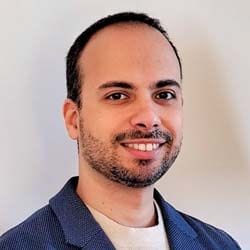
How would you describe your research to someone outside your field?
I study the way molecules behave when energized, for instance, by sunlight or electricity. Molecules can release this excess energy in many ways, such as emitting light, releasing heat, or generating electrical charges. Understanding these different processes, how they relate to molecular structure, and predicting them using computer simulations and theory allows these molecules to be used in many technological applications.
What exciting advances in your field do you anticipate in the next ten years?
In the next ten years, I expect that theoretical and computational advances driven by machine-learning-enhanced simulations and quantum computing will allow for very accurate predictions of molecular excited-state properties not only in idealized conditions but also in real operating conditions once embedded in devices. These improvements in turn will help expedite the discovery of new materials and of new quantum effects that will find use in a wide range of technological applications, including solar cells, displays, photocatalysts, sensors, and more.
What would your advice be to someone just starting out in the field?
It is difficult to give advice now, especially considering the massive ongoing changes in science stemming from the advances in artificial intelligence. In this sense, I believe that someone starting out in the field of theoretical and computational physics/chemistry would do well to first focus on building strong fundamentals. They should then leverage the new tools brought by AI to build more and better models and software that can bring to light new phenomena and new materials with potential to disrupt current technologies.
Neil Qiang Su, Nankai University
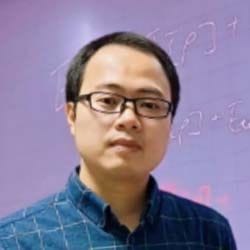
How would you describe your research to someone outside your field?
My research focuses on developing theoretical and computational methods to understand electron behavior in molecules and materials. This behavior governs a wide range of chemical and physical properties, but is difficult to describe accurately. The goal is to establish mathematical frameworks and algorithms that enable reliable and efficient prediction of these properties, thereby supporting the rational design of new materials for energy, catalysis, and electronics.
What exciting advances in your field do you anticipate in the next ten years?
Two directions are particularly promising: First, the development of electronic structure theories that can treat both weak and strong electron correlation within a unified framework. Second, the integration of physics-based principles with data-driven approaches, where machine learning extends the capabilities of rigorous theoretical methods. Together, these advances may enable routine, predictive simulations of complex materials and chemical processes that are currently beyond reach.
What would your advice be to someone just starting out in the field?
Choose an important problem that genuinely interests you. Once the problem is well chosen, the rest comes down to persistence. Progress in theoretical work can be slow and often involves various challenges; the process itself requires continuous learning and growth. However, sustained effort often leads to deeper insights.
Xiang Sun, New York University
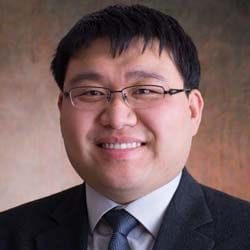
How would you describe your research to someone outside your field?
My research focuses on understanding quantum dynamics within complex condensed-phase systems. Specifically, my group investigates how electronic and vibrational excitations lead to chemical dynamical outcomes, such as charge and energy transfer in energy conversion systems. To achieve this, we develop computational methods that bridge multiple length and time scales, allowing us to accurately treat quantum dynamics from the molecular level all the way to disordered condensed phases.
What exciting advances in your field do you anticipate in the next ten years?
Over the next decade, I anticipate the development of much more efficient and accurate dynamical methods, coupled with highly precise AI-driven descriptions of multilevel vibronic Hamiltonians for complex condensed phases. These advancements will enable researchers to investigate quantum dynamical processes with unprecedented atomistic detail. Ultimately, this rich information will deepen our understanding of fundamental molecular mechanisms, which will in turn guide the design of higher-efficiency materials and shed light on reaction pathways within biological systems.
What would your advice be to someone just starting out in the field?
I strongly advise beginners in computational chemistry to always check the mathematical derivations of the methods they are using. It is crucial to thoroughly understand the approximations underlying any theory. Just because certain computational methods or models are popular does not guarantee they are inherently suitable for every system. We should continually ask ourselves whether the chosen theoretical framework genuinely applies to the specific physical problem at hand.
Dhara Trivedi, Clarkson University

How would you describe your research to someone outside your field?
My research focuses on the computational design and discovery of functional materials, with the goal of understanding how microscopic interactions govern charge and energy dynamics. These processes are central to determining the efficiency of materials for applications in optoelectronic, energy harvesting, sensing, quantum information science, and environmental remediation technologies.
In this work, we studied a class of porous materials called covalent-organic frameworks and asked a simple but important question: how can we make these materials selectively trap dangerous ions like uranium and plutonium, while allowing other harmless ions to pass through? Using a combination of computational tools and physics-based models, we examine how atomic-scale interactions, structural features, and the surrounding environment collectively control both binding and transport within these materials. This allows us not only to understand why certain materials work, but also to guide the design of more selective and efficient systems for real-world applications.
What exciting advances in your field do you anticipate in the next ten years?
I think the next decade will be especially exciting as computation begins to play a leading role in guiding what gets synthesized and tested, rather than only explaining experimental results.
A major driver is the integration of machine learning with ab initio methods, enabling predictions of materials that are both high-performing and realistically synthesizable. There is also a shift toward studying materials under realistic conditions, accounting for defects, dopants, and complex environments to ensure real-world relevance.
I am also excited by the growing synergy between computation and experiment. A tighter integration with experiment, supported by automation and high-throughput methods, is creating feedback loops that can significantly accelerate discovery.
Overall, I see the field moving toward application-driven discovery, where computation plays a central role in designing materials that are both scientifically meaningful and practically impactful.
What would your advice be to someone just starting out in the field?
I am still early in my journey, but a few principles have guided me:
Build a strong foundation in fundamentals, but do not hesitate to explore interdisciplinary approaches. Many of the most impactful problems today lie at the intersection of physics, chemistry, material science, and data science.
Equally important is developing persistence and clarity of thought. Research often involves navigating uncertainty, and progress may be slow at times. It is natural to make mistakes and to feel unsure along the way. Staying focused and building resilience through these moments helps maintain direction.
At the same time, approach your work with sincerity and humility. Doing careful, honest science, even in small steps, builds a strong foundation over time. Consistency in effort and integrity in thinking often matter more than quick results.
Finally, seek out mentors and collaborators who challenge you constructively and support your growth, and try to learn not only how to solve problems, but also how to think about them with patience and purpose.
Sachin Dev Verma, Indian Institute of Science Education and Research Bhopal
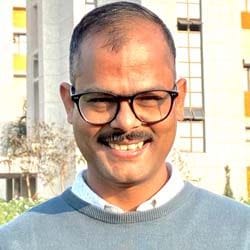
How would you describe your research to someone outside your field?
We are building advanced light-based tools to watch how extremely tiny materials, called nanostructures, form and grow. By observing this process in real time, we aim to control how fast they grow, how big they become, and how uniform they are. This level of control is important because even small changes in size or shape can strongly affect how these materials behave.
In addition, we study what happens inside these nanostructures after they absorb light. When light of high energy is absorbed, it creates highly energetic charge carriers (electrons and holes), often referred to as “hot” carriers. These carriers lose their energy very quickly as heat, and we use ultrafast measurement techniques, capable of tracking processes occurring in trillionths of a second, to understand how this energy loss happens.
A key goal of our research is to find ways to slow down this energy loss. If hot carriers can be maintained for longer times, it becomes possible to extract more energy before it is wasted as heat. This has important implications for improving technologies such as solar cells, where capturing more of the sun’s energy could lead to significantly higher efficiencies.
What exciting advances in your field do you anticipate in the next ten years?
Over the next decade, I anticipate progress driven by a close interplay between data-driven prediction, in situ measurements, and rigorous spectroscopy. AI and machine learning will increasingly be used to identify promising perovskite compositions and nanostructure designs that may exhibit slower intrinsic hot-carrier cooling, by learning how composition and structure influence fundamental energy dissipation pathways.
At the same time, in situ probes of nanostructure growth will provide real-time insight into how these materials form, enabling direct control over size, shape, and heterogeneity, factors that strongly influence their optoelectronic properties and carrier relaxation behavior. This will help bridge the gap between predicted material designs and their actual realization.
Ultrafast spectroscopy will then play a central role in validating these predictions through quantitative measurements of carrier dynamics. Beyond validation, it will provide a clear physical understanding of cooling pathways and establish reliable correlations between composition, structure, and cooling rates.
Importantly, intrinsically delayed cooling achieved through material design can be combined with additional slowing arising from fundamental effects such as the hot-phonon bottleneck. This combined approach offers a realistic route to significantly prolong hot-carrier lifetimes.
Together, this integrated strategy, AI/ML-guided design, in situ control of growth, and ultrafast spectroscopic validation of both intrinsic and emergent mechanisms, will accelerate the discovery of materials with prolonged hot-carrier lifetimes, bringing concepts such as hot-carrier solar cells closer to practical realization.
What would your advice be to someone just starting out in the field?
For someone just starting a career in this field, it is important to first identify a few clear scientific questions, under one umbrella, and build a focused research program around them. Rather than trying to cover too many, uncorrelated, directions at once, developing depth in a well-defined area, such as understanding nanostructure growth or excited-state dynamics, can help establish a strong foundation.
Equally important is investing in experimental capabilities that offer unique insights. In areas like optical spectroscopy, having a reliable and well-understood setup is often more valuable than pursuing overly complex ideas without the means to test them rigorously. Building such capabilities takes time, and early-career researchers should plan for gradual progress with realistic milestones.
Training students to think independently and work carefully is another key aspect. A well-trained group not only ensures steady progress but also helps maintain the quality and reproducibility of results, which is essential for long-term credibility.
Collaborations can be highly beneficial, especially for accessing complementary expertise, but it is important to retain core strengths within the group. Finally, while it is natural to pursue ambitious problems, such as controlling nanostructure properties or improving solar energy conversion, these goals should be approached with a strong emphasis on careful measurement, critical analysis, and reproducibility.
Sabine Wenzel, Marburg University
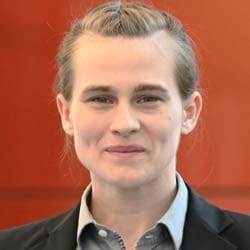
How would you describe your research to someone outside your field?
Surfaces help us create novel carbon-based molecules that are difficult or even impossible to make by conventional methods. To assess whether such molecules may be useful for applications such as in electronics or photovoltaics, we need to fully understand their properties, including geometry, electronic structure, and their interaction with the surface. We can study these properties using the various spectroscopy, microscopy, and diffraction techniques that surface science offers.
In this article, we take a detailed look at the electronic structure of an archetypical molecule kekulene and its recently synthesized isomer called isokekulene. We characterized monolayers of these molecules on a metal surface using photoemission orbital tomography, a technique that probes the average properties of many molecules at once. In parallel, we investigated single molecules with scanning probe microscopy, which reveals both geometry and electronic structure with atomic-scale resolution. Combined with input from theory, we were able to simulate microscopy images in a novel manner. Comparing them to the measurements, we found that the molecules interact so strongly with the surface that multiple electronic levels, or molecular orbitals, become filled with electrons transferred from the surface.
What exciting advances in your field do you anticipate in the next ten years?
The recent advances in on-surface synthesis allow us to envision fast molecular prototyping. Accelerated by automation of scanning probe methods, as well as artificial intelligence-based identification of molecules and prediction of molecular properties, this will enable more than the atomically precise bottom-up fabrication that Richard Feynman famously dreamed of already in 1959.
Additionally, I expect further technical advancements allowing for transfer of molecular structures and their integration into devices. Complex characterization under more realistic conditions will bring novel molecular structures closer to useful applications.
What would your advice be to someone just starting out in the field?
Surface science offers many exciting but technically challenging methods. Be open to trying new techniques. Combining different methods, both experimental and theoretical, can greatly complement and enhance your own research, but this can often be done more easily in collaboration with others.
No matter which technique is your favorite, make sure that you are regularly working on something you really enjoy, in the lab as well as in the office. Many researchers experience the same frustration; don’t hesitate to share your concerns with your peers and mentors.
Fang Xu, The University of Texas at San Antonio

How would you describe your research to someone outside your field?
I am a photographer of atoms and molecules on solid surfaces using scanning tunneling microscopy. We study how the structure and interactions of surface features influence the physical and chemical properties of materials.
What exciting advances in your field do you anticipate in the next ten years?
The continued development of in situ techniques allows for monitoring dynamic surface properties as reactions occur. The use of AI may make the operation of sophisticated equipment, data collection, and data analysis much more user-friendly.
What would your advice be to someone just starting out in the field?
Stay curious, identify the research group’s strengths, and maintain mental and physical health.
Zhenyi Yu, Tianjin University

How would you describe your research to someone outside your field?
The core of our research can be envisioned as “how to make light ‘dance’ within organic materials, while also making these materials easier to process into precision devices.” This actually encompasses two interrelated directions. The first direction is creating a new type of “light source”—organic phosphorescent laser materials. You might know that ordinary fluorescence is fast but has a short afterglow, while phosphorescence (like in glow-in-the-dark stickers) can continue to emit light after the excitation stops. By meticulously designing molecular structures—for instance, attaching “functional accessories” such as sulfur atoms to the molecules and modulating their interactions—we enable these organic molecules not only to generate phosphorescence efficiently but also to produce a laser. We achieved the first-ever laser emission from organic phosphorescent materials, opening up an entirely new path for the future fabrication of miniature, flexible, and tunable lasers.
The second direction is “carving circuits” into these fragile organic crystals. You may know that photolithography is the core process for manufacturing computer chips (inorganic semiconductors). However, organic crystals are very fragile, as delicate as sugar cubes, and are sensitive to solvents. Traditional lithographic methods would cause them to dissolve or be damaged. We developed an ingenious approach: making the crystals themselves directly “sensitive” to ultraviolet light—chemical bonds break where the light shines, allowing for precise “carving” of fine patterns. It’s akin to no longer using a knife to carve tofu, but instead making the tofu itself transform into photographic paper that can be precisely developed under light. This technology allows organic crystals to be processed into complex circuits or devices, much like silicon, clearing a major hurdle for the practical application of organic electronics (such as flexible displays and wearable sensors).
What exciting advances in your field do you anticipate in the next ten years?
In the next decade, I believe the field of organic optoelectronic materials will witness several thrilling breakthroughs:
First, the realization of “electrically pumped organic lasers”—the Holy Grail of the field. Currently, our lasers require another light source for excitation (optical pumping). In the next ten years, we might very well witness the direct use of electrical current to drive organic materials to produce laser (electrical pumping). Achieving this goal would revolutionize laser displays, optical communications, and lighting technology, bringing about lasers as small and inexpensive as LEDs.
Second, the ultimate pursuit of luminescence efficiency and full spectral coverage. We have already pushed the efficiency of deep-blue light beyond 82% through molecular design. In the future, we aim to achieve ultimate materials covering the entire spectrum from deep blue to near-infrared, with luminescence efficiencies approaching 100%. Simultaneously, we need to solve their stability issues, enabling their true application in practical products like mobile phone screens and biological imaging probes.
Third, the arrival of the “lithography era” for organic crystals. We have just opened the door to direct photolithography on organic crystals. Over the next decade, this technology will mature, allowing researchers to construct complex photonic circuits and electronic devices on organic crystals as freely as designing integrated circuits. This will spawn a new generation of high-performance organic optoelectronic devices, such as ultrasensitive organic photodetectors and chip-integratable organic laser arrays.
What would your advice be to someone just starting out in the field?
First, cultivate a strong foundation and master the essential skills. Our field spans organic synthesis, photophysics, materials science, and micro/nano-fabrication. It’s crucial to deeply understand how molecules emit light and how energy is transferred within materials, while also mastering precise synthesis techniques and characterization methods. Without a solid foundation, one cannot make accurate judgments when faced with complex phenomena.
Second, stay perceptive and never overlook the “unexpected.” The most exciting discoveries in scientific research are often hidden within experimental results that deviate from expectations.
Finally, embrace interdisciplinary collaboration and break down disciplinary barriers. Today’s major breakthroughs often emerge at the intersections and fringes of disciplines.
Zhedong Zhang, City University of Hong Kong
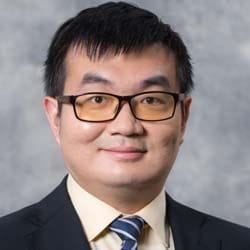
How would you describe your research to someone outside your field?
I am a theorist working on the ultrafast processes of molecules and then developing new spectroscopic schemes—as a probe—using state-of-the-art quantum technologies. Quantum entanglement takes incredible advantage of shaping light propagation and offering highly sensitive and precise measurements. These enable multidimensional measurements, so as to have live snapshots of energy flows, coherence in molecules, and chemical reaction process, with much more information that is not attainable by conventional paradigms. The research I am doing is to explore the mystery in microscopic structures of matter through elegant mathematical approaches and therefore to broaden humans’ knowledge in the long run. This is a cutting-edge research field, in light of the crosstalk between physical chemistry and quantum information science.
What exciting advances in your field do you anticipate in the next ten years?
With the progress of AI and optical technologies, the study of matter structures will reach new heights. The advancements of quantum technologies and attosecond lasers will enable us to understand and achieve ultrafast control of the electron motion in complex materials like organic molecules, proteins, and tissues toward unprecedented scales and sensitivity. I think this will be very exciting and important for the science of matter structures, which can deepen humans’ understanding of the origins of molecular chirality, biological functions, and life.
What would your advice be to someone just starting out in the field?
As the field is cutting edge and is developing rapidly, young students and researchers should remain aware of new theories, methods, and experimental advances. Meanwhile, studying and understanding the knowledge in a combined manner of quantum optics and physical chemistry are suggested for those who plan to start out in the field.
Zhilong Zhang, South China University of Technology

How would you describe your research to someone outside your field?
My work focuses on nanoscale hybrid optoelectronic materials—systems made by combining different components that together exhibit unique behaviors that no single material can achieve on its own. To design these hybrids to perform reliably and as intended, we need to uncover how the individual parts interact at a fundamental level. I am especially interested in understanding and controlling energy transfer between these components. If we can fine-tune these energy dynamics, we can enable efficient conversion between light and electricity or manipulate photons to targeted wavelengths, supporting a wide range of real-world technologies including advanced lighting, optical sensing, solar energy harvesting, 3D printing, and light-driven chemical reactions.
What exciting advances in your field do you anticipate in the next ten years?
I think one of the most exciting developments we will see in the next decade is far more efficient use of solar energy driven by advances in light manipulation and spectral conversion. Today, technologies like photovoltaics and solar-driven photocatalysis capture only a small fraction of available solar energy, because the solar spectrum spans a broad range of wavelengths. Some photons carry excess energy that is ultimately lost as heat, while others have too little energy to be absorbed at all. With continued progress in hybrid spectral conversion materials, we will be able to convert these previously unused photons into wavelengths optimally matched for target applications. I am confident that breakthroughs in our field will enable significantly more efficient solar energy harvesting in the near future.
What would your advice be to someone just starting out in the field?
When you are just starting out in this field, you will likely have many ideas you want to explore but limited resources such as facilities, funding, or a small research group. The key is to efficiently identify directions that are feasible and impactful. Time is very limited at the early stage, as you will need to establish a record of solid research within a few years to build momentum for your position and future opportunities. If your work is experimental, stay highly active in the lab, especially in your first few years. You will probably be the most experienced researcher in your group, and the best way to build a capable team is to demonstrate techniques firsthand. It takes time, but it ultimately saves your group countless hours from avoidable mistakes, misinterpretations, and failed reproductions. Even detailed protocols can be misunderstood or executed differently, so showing your members directly and repeatedly until they master the skills is the simplest and most effective approach.
Treat your group members as collaborators and peers rather than just students or employees. Work alongside them in the lab instead of only directing from a distance; this builds trust and gets projects moving much more efficiently. I also recommend collaborating with other early-career researchers and PIs at a similar career stage. They share your drive to produce meaningful work, and partnerships like this tend to be more flexible and productive. Finally, stay engaged with advances in AI. Using it wisely for routine and repetitive tasks (and perhaps more) will free up valuable time, allowing you to focus on what matters most: innovation and developing new ideas.