
In this interview, Senior Publication Data and Ethics Manager Rocio Vidal-Ronchas shares her journey from a Master’s in Archaeology to becoming an expert in protecting trust in science at ACS Publications.
In our new “Profiles in Publishing” series, we’re featuring dedicated staff members from around the globe who work to ensure that ACS Publications delivers on our promise of the most trusted, most cited, and most read journals in the chemical and related sciences.
Trust is essential at ACS Publications, and we invest in it through our world-renowned Editors, innovative publishing systems, and committed staff of over 400 employees, including the experts in our ACS Publishing Integrity Office.
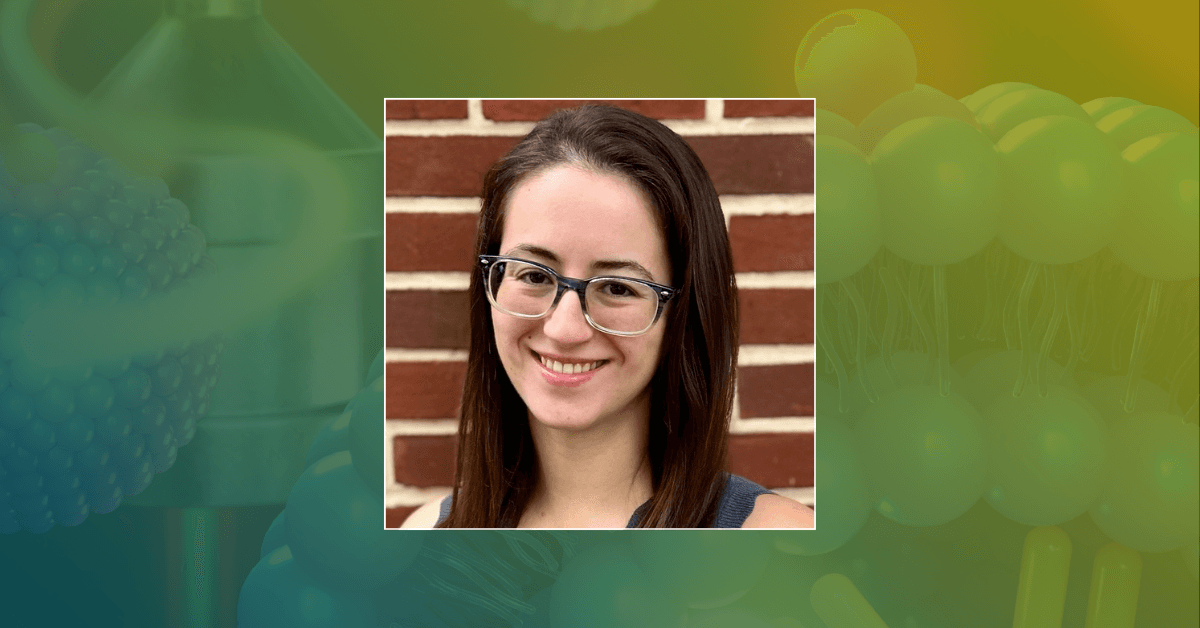
Meet Rocio Vidal-Ronchas, a Senior Publication Data and Ethics Manager at ACS Publications whose valuable work and deep expertise help ensure that our publication processes meet the highest ethical standards. In this interview, Rocio shares how her journey and expertise led her to ACS Publications and a commitment to safeguarding the integrity of ACS journals.
Read the Interview with Rocio Vidal-Ronchas
What’s your role at ACS Publications and what path led you to it?
I provide guidance to journal teams as they handle concerns around ethics and data integrity. This guidance comes at the individual paper-level by providing case-specific advice, but also at the portfolio-level as I work to develop and update ACS Publications policies, workflows, and educational resources related to publishing integrity.
I’ve always had a passion for contributing to scientific advancement. My background is in archaeology, and after earning my master’s degree, I transitioned to a career in journal operations, eventually landing in the ACS Publishing Integrity Office.
I am a person who prioritizes fairness and appreciates systems with clearly defined rules, so when an opportunity opened to specialize in this area in my current role, and I was excited to take on this exciting challenge to help define ethical expectations for all those involved in the publishing process.
What team do you work with and how does your collective work contribute to the excellence of ACS Publications journals?
I work with a team of six in the Publishing Integrity Office, and together we are responsible for developing and maintaining policies that promote ACS’ core values and strengthen the integrity of our publication process and content. We also provide training and educational resources for our staff, editors, authors, and reviewers.
While we collaborate often on projects, each of us is a specialist in one of the elements our office covers. We come together as a team and work within ACS Publications to deliver high-quality resources that add value and trust to our journals’ content.
We also engage with other publishers and organizations to establish community standards and build shared tools that support our efforts to protect the integrity of the scientific record. For example, one of our team members serves as the Secretary of the Committee on Publication Ethics (COPE) and she brings back invaluable insights that we use to strengthen the integrity of our journals.
What does a day in your work life look like?
My time is split between the daily work of helping journals navigate the handling of ethics cases and long-term work on projects that promote ethical best practices at ACS Publications.
I regularly help assess our integrity tools and work closely with journals to revise and introduce their workflows to better align with best practices and ethical standards.
I also work closely with journal colleagues to stay tuned on what ACS authors, reviewers, and editors are seeing across the science landscape. That input helps us stay ahead of the curve as we focus on setting ethical standards and creating tools to support them.
How does your team’s work safeguard publishing integrity in ACS journals, and why is that important?
The work that we do is very focused on the element of trust — trust in the scientific content we publish and in our publication processes.
We establish policies and develop resources that clearly define what is expected from authors, reviewers, and editors, which serves as the cornerstone of our work and is essential for delivering trustworthy content. These policies remove ambiguity about what is and isn’t appropriate, and it gives our journals a clear and ethical framework for handling integrity concerns when they arise.
Our team also invests in tools and workflows that can detect potential integrity issues as safeguards to support the work of editorial teams. For example, we now have an internal team of specialized scientists who can review and identify potential issues with underlying data for Editors, adding an element of trust in the data behind research findings.
How has the Publishing Integrity Office evolved with new technologies and new challenges?
The publishing integrity landscape has shifted dramatically in recent years, and we work every day to safeguard the trust we’ve built and combat evolving threats, like paper mills and the misuse of generative AI, that have been making headlines in the news and causing concerns within and beyond the scientific community.
While the threat has evolved, so have the tools we use to protect the integrity of the scientific record. For instance, paper mills have historically recycled images from previous publications to pass them off as new data and now they’ve become more sophisticated. As a result, we’ve had to strengthen our defenses, investing in image integrity tools that make it much easier to spot issues and identify concerns that our teams can investigate.
The Publishing Integrity Office adapts quickly because we’re committed to continuing to earn the trust of the scientific community. We continue to bring in new tools and grow our teams to prepare ACS Publications to meet new and evolving integrity concerns now and in the future.
What do you like most about working at ACS Publications?
The staff at ACS Publications are a community united by our commitment to the vision of a world built on science — it truly does feel like everyone identifies with ACS’s mission as a scientific society.
I love the diversity of backgrounds, experiences, skills, and perspectives that everyone brings to the table, and that leadership encourages a culture of inclusion and respect. This creates an environment where new ideas can easily materialize and where individuals feel empowered to engage with projects they are passionate about.
I feel energized by working alongside others who are equally as committed to supporting science as I am.