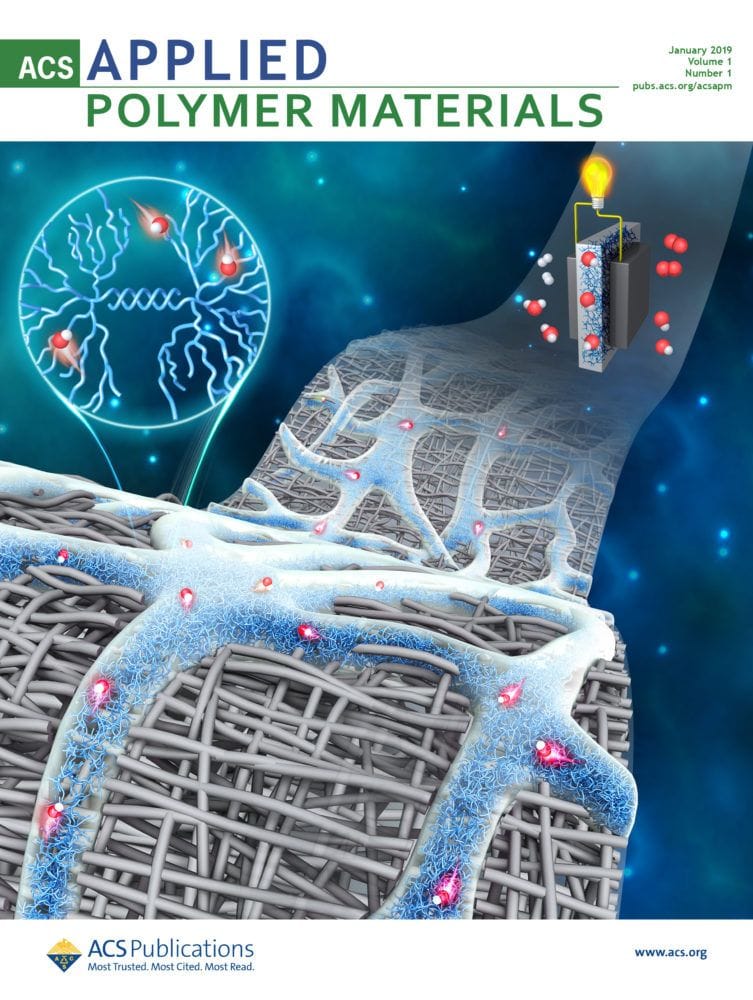
Meet some of our newest associate and topic editors, and learn about the unique gifts they bring to their respective journals.

New editors bring new experiences, perspectives, and ideas to their publications. Get to know some of ACS Publications’ newest executive, senior, associate, and topic editors, explore their featured research articles, and learn about the unique gifts they each bring to their respective journals.
Browse by Journal or Editor:
ACS Applied Polymer Materials
- Gi-Ra Yi
ACS Catalysis
- Steve Wisniewski
ACS Chemical Neuroscience
- Dmitry Kurouski
- Tessa Sinnige
ACS Earth and Space Chemistry
- Tuan Vu
ACS ES&T Toxicology
- Ling (Nathanael) Jin
- Ralf Schaefer
- Tong Yang
ACS Food Science & Technology
- David Jeffery
ACS Materials Au
- Elizabeth Brisbois
ACS Materials Letters
- Ivano Eligio Castelli
Environmental Science & Technology
- Treavor Boyer
- Delphine Farmer
- Damian Helbling
- Jinxia Liu
- Juan Liu
- Rainer Lohmann
Journal of Agricultural and Food Chemistry
- Beatrice Cobucci-Ponzano
- Mengcen Wang
Journal of the American Society for Mass Spectrometry
- Ryan Julian
ACS Applied Polymer Materials
Gi-Ra Yi, Associate Editor
What is your research focus? What initially attracted you to your field?
My research focuses on the scalable synthesis of uniform colloidal particles and their self-assembly, translating fundamental polymer science into tangible industrial, medical, and sustainable applications. I was initially drawn to this field by the sheer elegance of bottom-up assembly, specifically the idea that we can engineer simple building blocks to spontaneously organize into complex, highly functional structures that solve real-world engineering challenges.
What do you hope to bring to your journal?
I hope to bring a stronger industrial perspective to the journal regarding colloidal particles and structured materials. To achieve this, I plan to propose perspective articles co-authored with industry experts, as well as curate special issues focused on the practical applications of colloidal polymer particles and polymer brushes.
What are the major challenges facing your field today?
In the traditional research focus of structured materials, the large-area fabrication of colloidal structures remains a persistent challenge. However, another equally important challenge facing our field is the emerging application of colloidal particles in polymer recycling. Specifically, utilizing colloidal particles with dynamic covalent bonds to recycle composites and films at the colloidal scale, rather than the monomer scale, shows immense potential. I strongly believe that this area is developing into a crucial field and requires significantly more research and attention from our community.
What do you think is the most interesting and/or important unsolved problem in your field?
I believe the most important and interesting unsolved problem in our field is the development of recyclable polymers at the colloidal scale. If we can successfully engineer materials to be recycled as intact colloidal units instead of breaking them down to monomers, it would fundamentally revolutionize the circular economy of plastics and composites.
Do you have a recent paper in an ACS journal that you’d like to highlight?
Multipatch Colloids via DNA Ligation
Langmuir (2026) 42 (13): 9430–9438.
DNA-Coated Microspheres with Base Mismatches for Stepwise Programmed Assembly
Chem. Mater. (2024) 36 (8): 3820–3828.
Mie-Resonant Rutile TiO2 Nanospheres for Unclonable Structural Colors
Chem. Mater. (2022) 34 (17): 7897–7905.
Self-Assembled Honeycomb Lattices of Dielectric Colloidal Nanospheres Featuring Photonic Dirac Cones
ACS Appl. Nano Mater. (2022) 5 (3): 3386–3393.
Colloidal Supraballs of Mesoporous Silica Nanoparticles as Bioresorbable Adhesives for Hydrogels
Chem. Mater. (2022) 34 (2): 584–593.
Patchy Colloidal Clusters with Broken Symmetry
Journal American Chemical Society (2021) 143 (33): 13175–13183.
Index-Matched Composite Colloidal Crystals of Core–Shell Particles for Strong Structural Colors and Optical Transparency
Chem. Mater. (2021) 33 (5): 1714–1722.
ACS Catalysis
Steve Wisniewski, Topic Editor
What is your research focus? What initially attracted you to your field?
In my role within Chemical Process Development at Bristol Myers Squibb, I work as part of integrated development teams to design safe, efficient, and scalable processes for the manufacture of active pharmaceutical ingredients. I co-lead both the Catalysis Community of Practice and the Base Metals Initiative, which is focused on advancing the use of earth-abundant metals in industrially relevant and scalable transformations.
I was initially drawn to homogeneous catalysis because of its unique ability to enable otherwise inaccessible bond constructions with high selectivity and efficiency. The opportunity to translate fundamental catalytic concepts into robust processes that can impact drug development at scale continues to excite and motivate me.
What do you hope to bring to your journal?
As a Topic Editor, I hope to bring an industry perspective on homogeneous catalysis, with particular emphasis on how innovation translates to real world process design. I am passionate about highlighting work that advances catalytic science and considers scalability and robustness, key factors when moving from discovery to manufacturing in the pharmaceutical industry.
What are the major challenges facing your field today?
Over the past decade, there have been significant advances in the use of earth-abundant metals for key catalytic transformations, including borylation, Suzuki–Miyaura cross coupling, and C–N bond formation. Continued progress in this area can deepen our understanding of catalyst activation and speciation, as well as extend these methodologies to more challenging substrate classes, such as certain heterocycles and dihalogenated compounds. Addressing these challenges will be important for enabling broader application of base metal catalysis in robust and scalable routes to active pharmaceutical ingredients.
Do you have a recent paper in an ACS journal that you’d like to highlight?
Collaboration as a Key to Advance Capabilities for Earth-Abundant Metal Catalysis
Org. Process Res. Dev. (2023) 27 (7): 1160–1184.
While published a few years ago, I would like to highlight our collaborative work describing the development of earth-abundant metal catalysis enabled through close academic–industry collaboration, co-authored with Eric Simmons, Paul Chirik, and Keary Engle. This manuscript illustrates how collaboration can accelerate the translation of catalytic concepts into practical and scalable solutions.
ACS Chemical Neuroscience
Dmitry Kurouski, Associate Editor
What is your research focus? What initially attracted you to your field?
My research interests are at the interface of biophysics and molecular biology. My laboratory (i) pioneers the development of nano-Infrared (nano-IR) spectroscopy for the structural characterization of amyloid oligomers. Nano-IR has single-molecule sensitivity and nanometer spatial resolution. Using nano-IR, we were able to determine transformations in the secondary structure of individual amyloid β (Aβ), α-synuclein (α-syn), transthyretin and islet amyloid polypeptide (IAPP) oligomers that were taking place at different stages of protein aggregation. We also discovered that lipids alter the secondary structure of Aβ, α-syn, Tau, insulin, IAPP, transthyretin, and lysozyme oligomers and fibrils if were present during protein aggregation. Furthermore, nanoscale structural analysis revealed that such oligomers and fibrils grown possessed lipids in their structure. My group also developed cell and molecular assays that can be used to investigate molecular mechanisms by which amyloid oligomers and fibrils exert cytotoxic effects. We have strong evidence that protein aggregates are first endocytosed by cells. Next, oligomers and fibrils damage endosomes and leak into the cytosol, where they cause impairment of mitochondria and other organelles.
We also (ii) utilize nano-Raman spectroscopy to investigate fundamental physical principles of plasmon-driven catalysis. Specifically, we are interested in the mechanisms of photocatalytic reactions on bimetallic nanostructures. My group (iii) develops optical sensors that can be used to detect and investigate biotic and abiotic stresses in plants. During the past eight years, we demonstrated that optical sensors could be used for non-invasive, non-destructive and confirmatory diagnostics of fungal, viral and bacterial diseases in a large group of plants that includes wheat, maize, sorghum and potato. Furthermore, our research findings demonstrated that optical spectroscopy could be used for highly accurate differentiation between biotic and abiotic stresses; identification of plant species and their varieties and quantitative assessment of nutritional composition of food. Finally, using (iv) surface-enhanced Raman spectroscopy (SERS), my group investigates the feasibility of confirmatory identification of artificial colorants on hair and fabric. This research is significant because hair is one of the most commonly found physical evidence at crime scenes. Consequently, confirmatory identification of the colorants on such hair samples can be used to establish a connection between a suspect and the crime scene or demonstrate the absence of such connections.
What do you hope to bring to your journal?
As an Associate Editor for ACS Chemical Neuroscience, I would aim to leverage my expertise at the interface of biophysics and molecular biology to advance the journal’s mission of bridging chemical tools with neurological insights. Based on the research directions and technological breakthroughs established in my laboratory, here is what I hope to bring to the editorial board:
- Expanding Structural Precision. I aim to champion manuscripts that utilize high-resolution techniques such as nano-IR and nano-Raman spectroscopy to solve long-standing problems in neurobiology. My focus would be on encouraging studies that move beyond ensemble averages to look at the single-molecule level, particularly concerning the structural polymorphism of amyloid oligomers.
- Interdisciplinary Focus on Lipid-Protein Interactions. Given our discovery that lipids are not just spectators but active participants incorporated into the structure of fibrils, I would promote research that explores the cellular microenvironment. I am particularly interested in how chemical tools can clarify the role of the lipid bilayer and organelle membranes in protein misfolding and cytotoxicity.
- Bridging Fundamental Physics and Biological Assays. I hope to bridge the gap between physical chemistry and cell biology. My laboratory’s work on endosomal leakage and mitochondrial impairment demonstrates the importance of combining spectroscopic evidence with functional molecular assays. As an editor, I would seek out work that doesn’t just describe a chemical tool, but demonstrates its utility in uncovering specific pathological mechanisms within cells.
- Diversifying the Application of Spectroscopy. While my core research is in biophysics, our group’s success in agricultural diagnostics and forensic SERS demonstrates the versatility of optical sensing. I hope to encourage “outside-the-box” applications of chemical neuroscience, such as developing non-invasive diagnostics for neurodegenerative markers and maintaining the high standards for confirmatory identification that I have applied in forensic and agricultural research.
Tessa Sinnige, Topic Editor
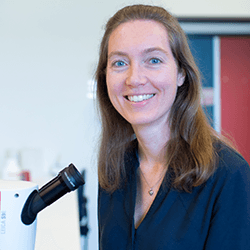
What is your research focus? What initially attracted you to your field?
My research focuses on protein aggregation in relation to aging and neurodegenerative diseases. I have been interested in protein folding since my student days, when I became intrigued by the problem of how unfolded polypeptides can adopt such intricate three-dimensional structures. A few years later, the first structural models of amyloid fibrils became available, and I got interested in the question of how protein aggregation is related to human disease.
What do you hope to bring to your journal?
I hope to provide a platform for interdisciplinary research on protein folding and aggregation in relation to human health, aging and disease. I’m particularly interested in studies using multicellular model organisms, but also for example using patient material or other biologically relevant systems, yet with a molecular angle.
What are the major challenges facing your field today?
Our understanding of the molecular mechanisms behind neurodegenerative diseases is still limited, and both diagnostic methods and new treatment strategies are urgently needed.
What do you think is the most interesting and/or important unsolved problem in your field?
The question of why protein aggregation is toxic remains unsolved. I believe that a broad view is needed to understand how protein conformations change during aging and disease, and how this relates to the disruption of essential cellular processes.
ACS Earth and Space Chemistry
Tuan Vu, Topic Editor
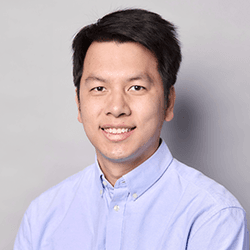
What is your research focus? What initially attracted you to your field?
My work lies at the intersection of experimental physical chemistry and materials science for planetary environments, with a particular emphasis on understanding how molecules behave under extreme temperature and pressure conditions. I was initially drawn to this field through my postdoctoral research at JPL.
What do you hope to bring to your journal?
As an active researcher, I hope to bring subject matter expertise as well as new insights into current developments in our field. Having published in ACS Earth and Space Chemistry since the very first issue, I greatly value the opportunity to contribute to its editorial process, both in coordinating peer reviews and serving as an ambassador for the journal to the scientific community.
What are the major challenges facing your field today?
One of the major difficulties is that the environments we want to understand are often not easily recreated in the laboratory. After that comes the challenge of connecting what we see in the laboratory to what spacecrafts and telescopes observe millions of miles away. Such uncertainty is daunting, but it is also what makes the field exciting.
Do you have a recent paper in an ACS journal that you’d like to highlight?
One recent highlight was our work on the chemical partitioning of organic, ice, and salt hydrates in Enceladus analogue ices, which was featured on the cover of ACS Earth and Space Chemistry (Oct 2025 issue).
Differential Partitioning Behavior of Chondritic Organics in Enceladus Analog Ices
ACS Earth Space Chem. (2025) 9 (10): 2354–2362.
ACS ES&T Toxicology
Ling (Nathanael) Jin, Topic Editor
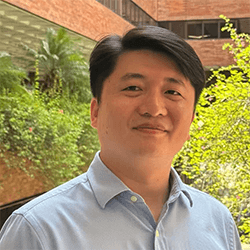
What is your research focus? What initially attracted you to your field?
My research examines how chemicals and microbes interact in the environment and how these interactions affect human, wildlife, and ecosystem health. Inspired by the philosophies of 天人合一 (the unity of humanity and nature) and 緣起性空 (dependent origination and emptiness), I was drawn to the idea that humans and nature are inseparable, and to understanding the often-invisible processes that connect environmental change with health.
What do you hope to bring to your journal?
As a Topic Editor for ACS ES&T Toxicology, I hope to bring an integrative One Health perspective that connects environmental chemistry, microbiology, and toxicology. I aim to champion rigorous, mechanistically grounded research on real-world exposures and mixtures, while supporting early-career voices and constructive, interdisciplinary dialogue.
What are the major challenges facing your field today?
A major challenge is understanding real-world exposures, where diverse chemicals and microbes interact rather than act independently. Moving from associations to causal, predictive understanding will require closer collaboration across disciplines, standardized experimental datasets, and models that connect molecular mechanisms with health outcomes.
What do you think is the most interesting and/or important unsolved problem in your field?
One compelling question is what determines whether chemical–microbial interactions buffer environmental stress or amplify harm. Understanding and ultimately predicting the conditions that shift this balance could help us identify risks earlier and develop more effective interventions.
Do you have a recent paper in an ACS journal that you’d like to highlight?
I would highlight our work developing an integrated chemotranscriptomic framework to attribute PM2.5-induced biological pathway perturbations to toxic components. It reflects our broader goal of moving beyond bulk measures of pollution toward understanding which components drive toxicity and through what mechanisms.
Attribution of PM2.5-Induced Transcriptomic Perturbation to Toxic Components
Environ. Sci. Technol. (2026) 60 (34): 23840–23851.
Anything else you’d like readers to know about you?
Outside of work, I enjoy singing, swimming, hiking, reading, and playing card and board games with family and friends. I love bringing people together over good food and drinks, and I find space to reflect in the mountains and by the sea. Mentoring students and supporting their scientific and personal growth is also one of the most rewarding parts of my life.
Ralf Schaefer, Associate Editor
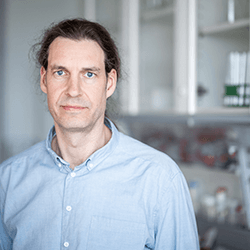
What is your research focus? What initially attracted you to your field?
My main research focus is the response of freshwater ecosystems to anthropogenic stressors, particularly toxicants. I was particularly attracted by the challenge to understand how multiple stressors and species interact.
What do you hope to bring to your journal?
Expertise in interdisciplinary environmental research, systems thinking and insights of toxicant effects in real world ecosystems in a One Health context.
What are the major challenges facing your field today?
Disentangling the effects of multiple chemicals and stressors in ecosystems and identifying generalizable responses across organism groups.
What do you think is the most interesting and/or important unsolved problem in your field?
Connecting responses across biological levels, from cells to ecosystems.
Do you have a recent paper in an ACS journal that you’d like to highlight?
We just published a paper in ES&T where we analyzed how the robustness of results depends on decisions during data analysis:
Data Analysis Choices Influence the Relative Importance of Multiple Stressors on Macroinvertebrates in Agricultural Streams
Environ. Sci. Technol. (2026) 60 (36): 25753–25762.
Tong Yang, Topic Editor
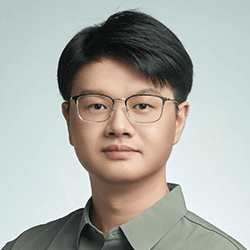
What is your research focus? What initially attracted you to your field?
I study the release and environmental risk of microplastics, nanoplastics, and PFAS. I am curious about how much are those pollutants released from products during use, and what are the consequences if they enter the environment.
What are the major challenges facing your field today?
Variability of the toxicity results between different labs, and how to interpret effects at molecular and cellular levels.
What do you think is the most interesting and/or important unsolved problem in your field?
The human toxicity of nanoplastics.
Do you have a recent paper in an ACS journal that you’d like to highlight?
Critical Evaluation and Meta-Analysis of Ecotoxicological Data on Per- and Polyfluoroalkyl Substances (PFAS) in Freshwater Species
Environ. Sci. Technol. (2024) 58 (40): 17555–17566.
ACS Food Science & Technology
David Jeffery, Associate Editor
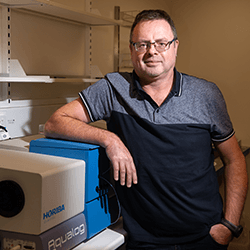
What is your research focus? What initially attracted you to your field?
I focus primarily on wine chemistry, which essentially involves the application of fundamental aspects of chemistry to grape and wine science. I was attracted to this field by a postdoctoral position that was advertised at the time I was completing my Ph.D. thesis (related to total synthesis of a marine natural product).
What do you hope to bring to your journal?
I hope to utilise my expertise in chemistry and extensive experience with publishing and reviewing to contribute to the journal’s success and to the provision of a high quality outlet for publications related to food science and technology.
What are the major challenges facing your field today?
Challenges associated with climate would be high on the list, from both chemical and production points of view. This factors into unpredictability in the composition of agricultural products and requires technological solutions to sustainably deliver quality products across various markets. This is particularly important from the perspective of provenance and authenticity, valued by consumers who expect certain characteristics typically associated with products from specific regions. Production cannot simply be recreated in another place and smart adaptation strategies are needed.
What do you think is the most interesting and/or important unsolved problem in your field?
Relating raw material composition to final product sensory and quality traits is of great interest. Research is addressing this issue but it’s by no means a trivial problem, especially when biotransformation of raw materials is involved.
Do you have a recent paper in an ACS journal that you’d like to highlight?
A recent perspective in Journal of Agricultural and Food Chemistry highlights some advances in chemical analysis and data science to address human sensory perceptions of wine mouthfeel.
From Sensometabolomics to Rapid Analysis and Machine Learning: A Perspective on Modeling Wine Mouthfeel
J. Agric. Food Chem. (2026) 74 (13): 10737–10745.
Anything else you’d like readers to know about you?
I am a qualified chef, which brings a somewhat unique perspective to my research involving chemistry and the interaction with human senses.
ACS Materials Au
Elizabeth Brisbois, Associate Editor
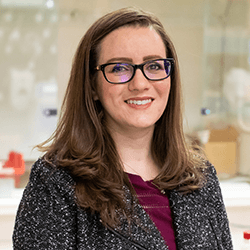
What is your research focus? What initially attracted you to your field?
My research focuses on polymeric biomaterials and therapeutic biointerfaces that help improve how medical devices interact with the body. In particular, we engineer materials that actively modulate biological responses at material–tissue interfaces, with an emphasis on addressing two critical challenges in blood-contacting devices: thrombosis and infection. One approach we’re really excited about is nitric oxide (NO)-releasing materials, which mimic the body’s natural signaling to prevent clotting and limit bacterial biofilm formation.
I was drawn to this field by the opportunity to use chemistry to solve real clinical problems. Issues like device-associated infections and clotting affect a significant number of patients, and I found it really compelling that we could design materials that don’t just sit there, but actually mimic the body to improve outcomes. The interdisciplinary nature of the field and the potential to impact healthcare through material design have been exciting and a key motivation.
What do you hope to bring to your journal?
I’m excited to support work that bridges fundamental materials chemistry with real-world impact. ACS Materials Au is a great platform for new materials research, and I hope to bring an emphasis on interdisciplinary materials research that pushes the boundaries of materials design while also addressing complex biological challenges and keeping an eye on practical applications. I also care a lot about making the review process constructive and supportive to help ensure high standards and quality of published research.
What are the major challenges facing your field today?
One of the biggest challenges is translation—moving from promising lab results to something that actually works reliably in real clinical settings. Biological systems are complex, and processes such as immune responses, blood coagulation, and bacterial infections can be difficult to control. Additionally, antibiotic resistance remains a significant concern. These are just a few examples of why it is even more important to find new, materials-based approaches to address current medical device challenges.
What do you think is the most interesting and/or important unsolved problem in your field?
A key unsolved problem is figuring out how to maintain long-term control over biological responses at material interfaces. Ideally, we’d like to design materials that are multifunctional and simultaneously prevent thrombosis, resist infection, exhibit biocompatibility, and maintain long-term functionality. This remains a major material design and research challenge. That level of control at the material-tissue interface would be transformative for many medical device technologies.
Do you have a recent paper in an ACS journal that you’d like to highlight?
One area of our recent work to highlight is our development of nitric oxide-releasing polymeric materials. By building NO donor chemistries directly into polymers, we can create surfaces that locally release bioactive NO to signal a reduction in clotting and bacterial growth. We’ve tested these in both in vitro systems and more clinically relevant models, and they’re showing a lot of promise. A couple of our recent papers are linked below!
Nitric Oxide-Releasing Polydimethylsiloxane Sponges with Tunable Porosity
ACS Appl. Mater. Interfaces (2025) 17 (24): 35262–35274.
Catalyst-Free Synthesis of a Mechanically Tailorable, Nitric-Oxide-Releasing Organohydrogel and Its Derived Underwater Superoleophobic Coatings
ACS Appl. Mater. Interfaces (2025) 17 (13): 19335–19347.
Anything else you’d like readers to know about you?
I really enjoy working at the intersection of disciplines and collaborating across fields. I’m also passionate about mentoring students and trainees in this kind of environment. A lot of the most interesting ideas happen where different perspectives come together, and I think that’s especially true in materials science and biomedical engineering, where we have the opportunity to translate fundamental discoveries into technologies that address major challenges in healthcare and beyond.
ACS Materials Letters
Ivano Eligio Castelli, Associate Editor
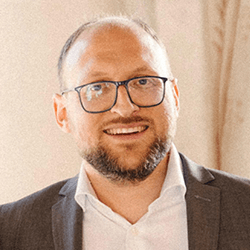
What is your research focus? What initially attracted you to your field?
I have always been fascinated by the idea of designing materials that can solve important challenges. My major research focus is thus to automate and accelerate the design of novel materials by developing computational workflows based on AI-enhanced quantum mechanical calculations and integrating them with experiments.
What do you hope to bring to your journal?
I would like to contribute to make ACS Materials Letters a hub for experts in developing materials acceleration platforms, where computational methods and self-driving experiments are accelerated and orchestrated by machine learning models, closing the gap between in-silico discoveries and experimental synthesis and testing.
What do you think is the most interesting and/or important unsolved problem in your field?
Creating a platform able to operate across scales, fidelities, and uncertainties is both challenging and very interesting. This requires both new and interoperable models as well as being able to learn from heterogeneous (and often not organised) data. Moreover, this approach should be technology agnostic, allowing it to operate on a variety of nowadays challenges.
Do you have a recent paper in an ACS journal that you’d like to highlight?
Very recently, Benjamin Sjølin, a Ph.D. graduate from my group, has developed a computational approach that combines density functional theory simulations and surrogate models to automate the investigation of diffusion pathways in battery electrodes. This approach shows orders of magnitude acceleration in estimating kinetic properties, which is critical to speed up the design of new materials.
Accelerated Percolation Path Identification in Twisted Bilayer Graphene
J. Chem. Theory Comput. (2026) 22 (5): 2586–2596.
ACS Sensors
Madhu Bhaskaran, Associate Editor
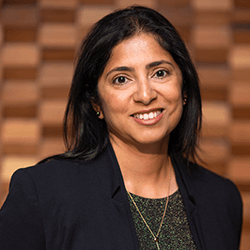
What is your research focus? What initially attracted you to your field?
Sensors for healthcare and aged care with a specific focus on wearables and point-of-care diagnostics.
I was keen to develop unbreakable electronics which are soft and flexible in 2012 — a large interest from industry on healthcare has shifted the application focus towards medtech.
What do you hope to bring to your journal?
While I am keen to bring my expertise on wearables and biosensors to the journal, this is a fantastic opportunity to also see first-hand the impressive research being carried out across the globe. Being able to enhance the scientific rigour in this field even higher (especially with the emergence of AI/machine learning) is my key focus.
What are the major challenges facing your field today?
Creating sensors which are scalable for commercialisation while remaining reliable and user-friendly.
What do you think is the most interesting and/or important unsolved problem in your field?
Breaking silos and having cross- and trans-disciplinary collaborations across clinical, engineering, science, and design will enable fantastic innovations in this field which will be embraced by society as practical technologies.
Do you have a recent paper in an ACS journal that you’d like to highlight?
Nicotine Sensors for Wearable Battery-Free Monitoring of Vaping
ACS Sens. (2022) 7 (1): 82–88.
Anything else you’d like readers to know about you?
I have a keen interest in gender diversity and equity and co-lead Women in STEMM Australia.
Environmental Science & Technology
Treavor Boyer, Associate Editor
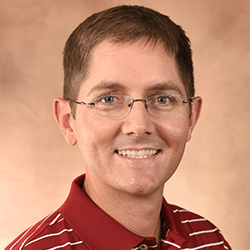
What is your research focus? What initially attracted you to your field?
My research focuses on sustainable water treatment and resource recovery, particularly ion exchange processes, PFAS remediation, and nutrient recovery. I was attracted to the field by the opportunity to apply engineering and science to solve meaningful environmental problems with tangible societal benefits.
What do you hope to bring to your journal?
I hope to bring thoughtful scientific judgment and an engineering perspective to the editorial process. While novelty is an important criterion, I also value research that advances environmental science and technology through rigorous experimental design, mechanistic insight, and technologies that address real-world environmental challenges.
What are the major challenges facing your field today?
One of the biggest challenges is translating scientific advances into technologies that are widely implemented and adopted. Achieving that requires not only rigorous science and engineering, but also a systems perspective that considers technical performance alongside economic, environmental, and societal factors.
What do you think is the most interesting and/or important unsolved problem in your field?
Many individual technologies continue to improve, but the larger unsolved problem is how to integrate them into systems that are sustainable, practical, and broadly adopted. Addressing that challenge requires combining advances in environmental science and engineering with a systems perspective.
Do you have a recent paper in an ACS journal that you’d like to highlight?
Our recent paper demonstrates how a systems perspective can reveal the broader environmental benefits of circular phosphorus recovery, showing that evaluating technologies across the entire food-water system is essential for guiding their implementation and adoption.
Circular Economy for Phosphorus from Human Urine to Food Systems Can Generate Potential Water, Climate, and Eutrophication Benefits
ACS Sustainable Resour. Manage. (2026) 3 (3): 692–704.
Delphine Farmer, Associate Editor
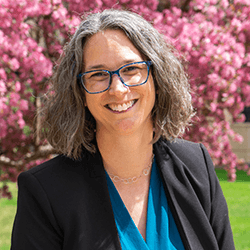
What is your research focus? What initially attracted you to your field?
I study the chemistry of the air we breathe, both indoors and out, and how it impacts health, ecosystems, and climate. We think about the water we drink and the food we eat — but rarely the air we are breathing although it so deeply impacts our lives and our planet. It was all the potential to measure what we cannot see that attracted me to the field, along with the opportunity to study chemistry in the real world through field work.
What do you hope to bring to your journal?
A fair and rigorous approach to peer review.
What are the major challenges facing your field today?
There are scientific and analytical challenges in atmospheric chemistry, but one of the largest is how we approach and synthesize the vast amount of information we acquire from field, laboratory and model studies.
What do you think is the most interesting and/or important unsolved problem in your field?
Where pollutants end up! We think a lot about where pollution comes from, but less about how it is deposited or lost from the atmosphere.
Do you have a recent paper in an ACS journal that you’d like to highlight?
Yes! We have a paper that was just accepted at ACS ES&T Air showing how the indoor chemistry of a real office space responds to germicidal ultraviolet lights in the far-UV — and how and when ultrafine particles are produced.
Particle Formation and Growth in an Office under Far-UV Germicidal Ultraviolet Lights with Cooking, Cleaning, and Personal Care Products
ACS EST Air (2026)
Damian Helbling, Associate Editor
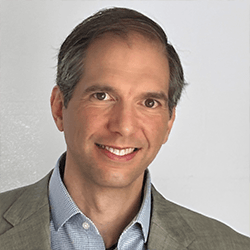
What is your research focus? What initially attracted you to your field?
I study the occurrence, fate, and removal of trace organic chemicals from water. I am interested in natural processes that determine the fate and transformation of trace organic chemicals, and in leveraging knowledge derived from natural systems to develop engineered technologies for water purification.
I am fascinated by the fundamental principles of organic chemistry and I enjoy spending time in and around water.
What do you hope to bring to your journal?
I hope to bring timely and constructive reviews to our authors, and contribute towards the ongoing evolution of the journal.
What are the major challenges facing your field today?
The broad field represented by Environmental Science & Technology faces a number of important challenges from the global scale (e.g., climate change) to the local scale (e.g., providing clean water and sanitation for everyone). It is inspiring to be part of a community focused on developing solutions that impact people and the planet.
What do you think is the most interesting and/or important unsolved problem in your field?
Broadly speaking, problems related to defining a safe operating space for humanity within the Earth’s limited carrying capacity remain incredibly important. In some ways, all problems our research community faces are related to this challenge.
Jinxia Liu, Associate Editor
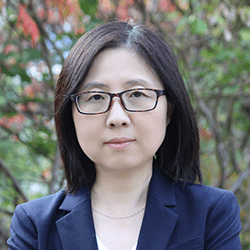
What is your research focus? What initially attracted you to your field?
My area of study includes PFAS, covering their environmental chemistry, analytical methods, biotransformation, and remediation technologies, as well as more general aspects of soil and water quality. I am also involved in developing new technologies for the disposal of wastewater and solid waste to address the chemical challenges we currently face. At the beginning, I had planned to conduct research on membrane processes as part of my Ph.D., but because the university’s change in tuition policy affected my professor’s funding and brought my first Ph.D. project to a halt, I had to change direction. It was then that I came across a new subject and heard people subtly referring to it as the “21st-century PCB problem”. This subject was PFAS, and it became the topic of my Ph.D. thesis and has remained the main focus of my research ever since.
What do you hope to bring to your journal?
I am a strong supporter of the “negative” findings. Throughout my career working on PFAS, I have kept running into negative results. In science, a dead end still forms an important element of the map, even if we usually don’t publish such results. I have been successful in getting negative results presented and published, and I would like to contribute to establishing a culture that productively embraces these outcomes since they are essential to scientific progress.
What are the major challenges facing your field today?
Scientific publishing is experiencing challenges due to a growing conflict in academia between the desire to discover the truth and the need to tell a “perfect” story. Due to the strong competition, there is a great deal of pressure to present flawless datasets and to create very appealing narratives. Even though it is necessary to use logic and reasoning, our primary duty must always be to make a real attempt to find the truth, no matter how messy that truth may be.
The idea of accepting the messy truth is particularly pertinent to the practical difficulties faced in environmental engineering. At present, our discipline is dealing with a speed mismatch: modern industries are rapidly introducing new chemicals, but our physical pollution-control infrastructure cannot adapt quickly enough to stop them. The major scientific problem we need to solve is figuring out how to properly handle and treat the complex waste streams generated by modern industry and agriculture. We have a duty to protect our environment and ecosystems from toxic, highly persistent substances without halting technological advancement.
What do you think is the most interesting and/or important unsolved problem in your field?
Although I am not a toxicologist, I do have serious concerns about the “cocktail effect” since, as an environmental engineer, it is important to gain a better understanding of mixture toxicity and of the various, overlapping routes by which humans are exposed to the numerous different chemical substances present in their daily lives. I hope that my work will contribute to solving part of this puzzle directly or indirectly.
Do you have a recent paper in an ACS journal that you’d like to highlight?
High Persistence of Novel Polyfluoroalkyl Betaines in Aerobic Soils
Environ. Sci. Technol. (2023) 57 (19): 7442–7453.
The study investigated PFAS structures that are commercially important and have several highly accessible carbon atoms, carbons that microbes should, in theory, be able to utilize. Instead, we discovered no evidence of biotransformation. This shows a major gap in our field: our understanding of how microbes interact with PFAS structures remains largely preliminary.
Anything else you’d like readers to know about you?
I almost decided not to go into academia because I was afraid it would mean giving up my life outside the laboratory. Luckily, when I made the decision to join McGill University, I came across a culture that genuinely supports family life. Together with my husband, I have been able to achieve what I had once considered impossible, that is, to build a satisfying scientific career while raising two lovely daughters. Although this path has not been easy at all, it has enabled me to develop a deep appreciation for the human aspect of research.
Juan Liu, Associate Editor
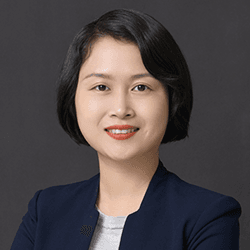
What is your research focus? What initially attracted you to your field?
My research lies at the intersection of environmental mineralogy, geochemistry, and geomicrobiology, focusing on mineral-microbe interactions in contaminant transformation, nutrient cycling, and resource recovery. My initial interest grew from studying how mineral-microbe interfacial interactions influence the transport and transformation of radionuclides in subsurface environments. That work made me realize that, in many oligotrophic natural habitats, minerals are not passive solids, but active participants in microbial metabolism and environmental redox processes.
What do you hope to bring to your journal?
I hope to help broaden the journal’s coverage of mineralogical and geochemical processes in environmental systems, especially work that connects molecular-scale interfacial mechanisms with field-scale contaminant behavior, remediation, and resource recovery.
What are the major challenges facing your field today?
A major challenge is connecting mechanisms observed under well-controlled laboratory conditions with complex natural and engineered systems. Scale-up often introduces spatial and temporal heterogeneity, while disciplinary boundaries can separate engineering practice from microbiology, mineralogy, and geochemistry. Bridging these gaps is essential for developing more predictable and transferable remediation and resource-recovery strategies.
What do you think is the most interesting and/or important unsolved problem in your field?
One important unsolved problem is how electron exchange between minerals and microorganisms scales up to shape ecosystem-level processes. We still do not fully understand how these microscopic interfacial reactions control contaminant fate, metal cycling, greenhouse gas production or consumption, and long-term ecosystem recovery in complex environments.
Do you have a recent paper in an ACS journal that you’d like to highlight?
Photoelectron-Promoted Sulfate Reduction for Heavy Metal Removal without Organic Carbon Addition
Environ. Sci. Technol. (2024) 58 (49): 21680–21691.
This work shows that mineral-derived photoelectrons can support microbial sulfate reduction and heavy metal removal under organic-carbon-limited conditions, suggesting a possible low-carbon strategy for bioremediation.
Anything else you’d like readers to know about you?
I enjoy working across disciplines, from mineral structure and microbial metabolism to environmental technology. I am especially interested in how fundamental biogeochemistry can help design practical solutions for polluted sites and mine-waste recycling.
Rainer Lohmann, Associate Editor

What is your research focus? What initially attracted you to your field?
My research focus is on understanding the sources, transport and impact of anthropogenic organic contaminants in the environment. I was initially attracted by the environmental problems posed by polychlorinated dioxins and other legacy pollutants, and the success of the Stockholm Convention of phasing out the worst xenobiotics.
What do you hope to bring to your journal?
To serve as a balanced editor that supports the field and the best submissions.
What are the major challenges facing your field today?
The proliferation of man-made chemicals without appropriate hazard assessment, compounded by their occurrence as complex mixtures. The ongoing production and use of many PFAS is a distressing symptom of our problems of reducing even the most persistent chemicals.
What do you think is the most interesting and/or important unsolved problem in your field?
Better chemicals management remains important, as the costs of inaction are far greater than the paying attention to proper chemical vetting before mass production.
Do you have a recent paper in an ACS journal that you’d like to highlight?
Contribution of Indoor Air and Dust to Children’s Per- and Polyfluoroalkyl Substance Exposure in the Faroe Islands
Environ. Sci. Technol. (2026) 60 (31): 21804–21814.
This represented a unique collaboration between our Superfund Research Center and the Faroese Hospital System to investigate the importance of indoor air and dust (and water) as exposure sources of PFAS on the Faroe Islands. My stay was supported by the Fulbright Arctic Initiative, while my doctoral student was able to have her passive sampling tools deployed in homes across the Islands.
Anything else you’d like readers to know about you?
It is an honor to serve as Associate Editor for ES&T, even on days when I have to bug reviewers or reject a manuscript.
JACS Au
Seung Bum Park, Associate Editor
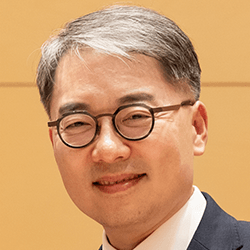
What is your research focus? What initially attracted you to your field?
My research is driven by a long-standing fascination with how small molecules can precisely modulate complex biological systems—specifically, the challenging landscape of protein-protein interactions (PPIs).
To navigate this, I’ve focused on building a specialized chemical biology toolkit designed to bridge the gap between phenotypic discovery and mechanistic understanding. This includes expanding molecular diversity through novel heterocyclic skeletons (pDOS), developing Seoul-Fluor (organic fluorophores) to monitor protein proximity, and utilizing FITGE for target identification in live cells.
By integrating these tools with AI-based rational design, my lab focuses on discovering novel therapeutic agents. It’s been incredibly rewarding to see this pipeline yield results; we currently have drug candidates for idiopathic pulmonary fibrosis (IPF) and immuno-oncology in Phase II and Phase I clinical trials, respectively.
What do you hope to bring to your journal?
My primary goal is to establish JACS Au as the natural home for researchers working at the frontiers of interdisciplinary science. Throughout my career, I have navigated the “in-between” spaces—bridging organic chemistry and molecular biology, academic discovery and industrial application, and unbiased phenotypic screening and rational drug design. I want to leverage this experience to champion “boundary-crossing” research, ensuring that scientists who integrate diverse methodologies feel their work is not only understood but celebrated here. By fostering this balance, I hope to broaden the journal’s reach and solidify its reputation as a global hub for innovative chemical biology.
What are the major challenges facing your field today?
The most profound challenge facing chemical biology today is navigating the AI-driven paradigm shift. Leveraging AI is no longer a matter of choice; it is a foundational necessity. The true challenge lies in the intelligent integration of these tools—ensuring we use them to enhance human creativity rather than replace fundamental scientific rigor. Furthermore, we face a significant pedagogical hurdle: we must redefine how we train the next generation of scientists so they can master this new era of “augmented discovery” without losing the essential intuition of traditional organic chemistry and biology.
What do you think is the most interesting and/or important unsolved problem in your field?
I believe the most critical challenge—and the most exciting opportunity—is developing a universal platform strategy for the selective modulation of protein-protein interactions (PPIs). For decades, PPIs have been considered “undruggable” due to their large, flat interfaces. Transitioning from traditional, labor-intensive inhibitor discovery to a systematic, AI-augmented approach is the key to unlocking new therapeutic frontiers. The real breakthrough will come when we can seamlessly bridge the gap between deep-learning computational predictions and high-throughput experimental validation, allowing us to “wisely” apply AI to the subtle complexities of PPI surfaces.
Do you have a recent paper in an ACS journal that you’d like to highlight?
Revisiting Pyrimidine-Embedded Molecular Frameworks to Probe the Unexplored Chemical Space for Protein–Protein Interactions
Acc. Chem. Res. (2024) 57 (22): 3254–3265.
In this work, we demonstrate how embedding privileged frameworks, like pyrimidine, into structurally diverse molecular skeletons allows us to systematically probe the “undruggable” chemical space of protein-protein interactions. This account serves as a comprehensive roadmap for navigating the transition from phenotypic discovery to the rational design of PPI modulators.
Anything else you’d like readers to know about you?
I consider myself extraordinarily fortunate to have pioneered interdisciplinary research as part of the first generation of chemical biologists in Korea. Beyond the science, my greatest privilege has been the opportunity to mentor and grow alongside truly talented young scientists; seeing more than 15 of them establish their own independent faculty careers globally is my proudest achievement.
Furthermore, as a chemist, witnessing my molecules transition from the bench to clinical trials and provide tangible therapeutic benefits to patients has been a rare and humbling experience. These milestones have instilled in me a deep sense of responsibility to share my experience with the next generation, serving as a roadmap for what is possible at the intersection of chemistry, biology, and medicine.
Journal of Agricultural and Food Chemistry
Beatrice Cobucci-Ponzano, Associate Editor
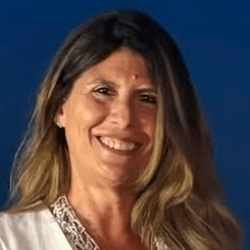
What is your research focus? What initially attracted you to your field?
My research focuses on the biochemical characterization and biotechnological exploitation of carbohydrate-active enzymes (CAZymes), especially from (hyper)thermophilic microorganisms. I am particularly interested in understanding how their catalytic properties and remarkable stability can be harnessed to develop tailored enzymatic systems for the sustainable valorization of renewable biomass and agro-industrial by-products.
What first attracted me to this field was the extraordinary ability of extremophilic microorganisms to thrive under conditions once thought to be incompatible with life. I was fascinated by the molecular mechanisms underlying these remarkable adaptations, which naturally led me to investigate their enzymes. Their exceptional robustness and catalytic efficiency continue to inspire my research, both from a fundamental and an applied perspective.
What do you hope to bring to your journal?
I hope to contribute my expertise in the biochemistry and application of CAZymes, particularly those from extremophiles, for biomass bioconversion, and to provide thoughtful, constructive editorial handling of manuscripts within my areas of expertise.
What are the major challenges facing your field today?
The explosion of genomic and metagenomic data has revealed an extraordinary diversity of putative CAZymes, yet only a small fraction have been experimentally characterized. A major challenge is translating the rapidly growing wealth of sequence information into experimentally validated biochemical function. This functional knowledge is essential for the rational design of tailored enzyme cocktails for the sustainable valorization of renewable biomass, as it requires a deeper understanding of enzyme specificity, complementarity, and synergistic action.
What do you think is the most interesting and/or important unsolved problem in your field?
One of the most interesting and timely open questions is to further understand which natural substrates CAZymes act on and how these enzymes function and cooperate in their native contexts. Although many enzymes can be characterized using simplified model substrates, their natural substrates and physiological roles often remain only partially understood. Addressing this gap will be crucial both for advancing our understanding of enzyme function and for improving their biotechnological exploitation.
Do you have a recent paper in an ACS journal that you’d like to highlight?
A Hyperthermostable Archaeal GH78 Rhamnosidase Efficiently Hydrolyzes Flavonoid Glycosides for Juice Debittering
J. Agric. Food Chem. (2026) 74 (6): 5562–5574.
Anything else you’d like readers to know about you?
I coordinate IBISBA-IT, the Italian node of the European research infrastructure IBISBA, which facilitates access to expertise, technologies, and collaborative opportunities in industrial biotechnology. Through my research and coordination activities, I aim to foster the integration of fundamental enzymology with multidisciplinary approaches to develop sustainable biotechnological solutions.
Mengcen Wang, Associate Editor
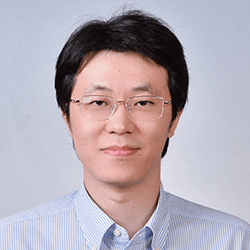
What is your research focus? What initially attracted you to your field?
My research centers on chemical ecology of crop host-microbiome-environment interactions. I aim to decode plant-microbe chemical communication and translate these molecular insights into practical sustainable biocontrol solutions for safe, high-quality agriculture. Chemical signaling at plant-microbe interfaces shapes plant immunity, symbiosis recruitment, pathogen infection, stress tolerance and produce quality. Unravelling these hidden chemical dialogues governing crop fitness and agricultural sustainability drives my research.
What do you hope to bring to your journal?
I will feature rigorous work that integrates chemical signal profiling, microbial molecular mechanisms and agronomic validation to unpack plant-microbe chemical interactions, bridging fundamental chemical ecology to eco-friendly biocontrol and crop safety technologies. I also aim to foster cross-talk across chemical ecology, agricultural microbiology and plant protection, and welcome submissions on underexplored plant-microbe chemical dialogues relevant to sustainable agriculture and food security.
What do you think is the most interesting and/or important unsolved problem in your field?
The most fascinating unresolved puzzle is untangling how fluctuating field environments remodel dynamic plant-microbe chemical signalling networks. A major challenge remains translating these molecular mechanisms into targeted approaches to simultaneously enhance crop disease resistance, abiotic stress tolerance and nutritional quality.
Anything else you’d like readers to know about you?
I am happy to communicate with readers on all microbiology- and chemical ecology-related topics relevant to crop systems, and look forward to constructive academic exchanges.
Journal of the American Society for Mass Spectrometry
Ryan Julian, Associate Editor
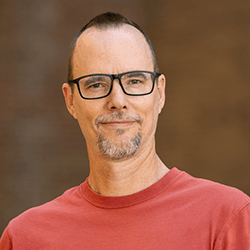
What is your research focus? What initially attracted you to your field?
My lab is interested in applying and developing new tools in mass spectrometry to investigate interesting questions in chemistry, biology, and medicine. I like instruments, machines, mechanical devices, tools, and I also like molecules and chemical reactions. The amazing ability of mass spectrometers to weigh molecular ions with precision and accuracy was immediately fascinating to me.
What do you hope to bring to your journal?
I think that there are a lot of interesting stories out there involving mass spectrometry that have the potential to change the way people think. Mass spectrometry is incredibly broad in terms of the areas of science and discovery that it can impact, and I would like to help make sure we find and publish all of those stories.
What are the major challenges facing your field today?
I would say it is the same challenge facing every field, namely, how to stay focused on and truly value the real science rather than impact factors or H-indices, etc.
What do you think is the most interesting and/or important unsolved problem in your field?
Nothing. We’ve solved everything with mass spectrometry. But seriously, I’m not going to take a stance on that one. There are too many great unanswered questions to pick one in particular.
Do you have a recent paper in an ACS journal that you’d like to highlight?
Radical-Initiated Photodissociation at Tryptophan Residues within Intact Proteins in the Gas Phase
Journal American Chemical Society (2025) 147 (32): 28583–28588.
Anything else you’d like readers to know about you?
I once wrote a novel with the starting line, “I doubt anyone will ever read this, at least, I hope they don’t.”
The Journal of Organic Chemistry
AnnMarie O’Donoghue, Associate Editor
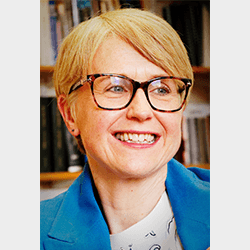
What is your research focus? What initially attracted you to your field?
I am a physical organic chemist. My group focuses on the determination of organic and biological reaction mechanisms with an emphasis on catalysis. As an undergraduate I studied Chemistry as a Major and Maths as a Minor. I particularly enjoyed all courses relating to determination of reaction mechanism, including understanding the chemical behaviour of reactive intermediates. I was always drawn to the more quantitative end of organic chemistry and the interface between physical and organic chemistry.
What do you hope to bring to your journal?
As a physical organic chemist, I hope to bring experience of application of quantitative approaches including study of reaction kinetics, kinetic isotope effects and determination of pKa, to achieve insight into molecular level mechanisms alongside organic synthesis.
What are the major challenges facing your field today?
Sustainability must be addressed by organic chemists. This could involve simple changes, e.g. solvent, yet often has significant implications for reaction efficiency and selectivity. It will be essential for key synthetic developments to be underpinned by mechanistic understanding to facilitate progress. Engagement with recent tools including digital chemistry and new instrumental approaches will also be important.
What do you think is the most interesting and/or important unsolved problem in your field?
Chemists need to access increasingly complex molecular architectures that require innovative, sustainable synthesis solutions. Stereoselectivity and asymmetric control continue to require the problem-solving expertise of organic chemists in providing innovative solutions. There is no “one size fits all” solution to stereochemical control and every new molecule brings unique challenges. The predictive powers of ML and AI offer many opportunities to accelerate and enhance synthetic organic chemistry from reaction design to asymmetric control.
Do you have a recent paper in an ACS journal that you’d like to highlight?
The Role of the Fused Ring in Bicyclic Triazolium Organocatalysts: Kinetic, X‑ray, and DFT Insights
Journal of Organic Chemistry (2022) 87 (6): 4241–4253.