
Meet some of our newest journal editors and learn about the unique gifts they bring to their respective journals.

New editors bring new experiences, perspectives, and ideas to their publications. Get to know some of ACS Publications' senior, associate, and topic editors who have joined us over the past year, explore their featured research articles, and learn about the unique gifts they each bring to their respective journals.
Browse by Journal or Editor:
ACS Catalysis
- Hirohisa Ohmiya
- Rebecca Ruck
ACS Electrochemistry
- Edgar Ventosa
ACS Energy Letters
- Lakshminarayana Polavarapu
ACS Infectious Diseases
- Xinghong Zhao
ACS Synthetic Biology
- Aindrila Mukhopadhyay
Biomacromolecules
- Harm-Anton Klok
- Abigail Knight
Energy & Fuels
- Zhehui Jin
- Paramaconi Rodriguez
Journal of Medicinal Chemistry
- Lori Ferrins
- Hai Qian
Langmuir
- Herdeline Ann Ardoña
Macromolecules
- Jadranka Travas-Sejdic
ACS Catalysis
Hirohisa Ohmiya, Associate Editor
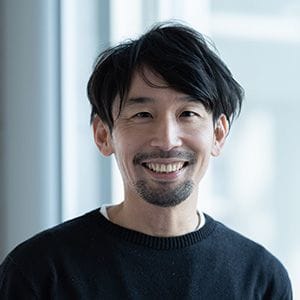
What is your research focus? What initially attracted you to your field?
Our research is dedicated to expanding the frontiers of radical-based organic synthesis through the design of novel catalysts, reactions, and molecular architectures. Our current research interests encompass light-driven radical catalysis, chemical modification of nucleotides, and caging strategy.
What do you hope to bring to your journal?
As an Associate Editor with a strong foundation in synthetic organic chemistry, I am eager to elevate ACS Catalysis by ensuring the publication of high-impact research that sets new benchmarks in the field. I will also champion diversity and inclusivity initiatives to foster a more equitable and innovative research community.
What are the major challenges facing your field today?
Organic synthesis often involves multiple steps and various reagents to gradually modify molecules, leading to high costs, long timelines, and environmental impact. To address these challenges, we are researching a technology that can directly assemble desired organic molecules, regardless of their complexity, using sustainable reagents and energy sources.
What do you think is the most interesting and/or important unsolved problem in your field?
The rational design of catalysts that can precisely control radical generation and bond formation presents a significant challenge in synthetic organic chemistry. Our research seeks to address this challenge by developing novel catalytic systems for challenging molecular transformations.
Do you have a recent paper in an ACS journal that you'd like to highlight?
A Dual Cobalt and Photoredox Catalysis for Hydrohalogenation of Alkenes
Shotaro Shibutani, Kazunori Nagao*, and Hirohisa Ohmiya*
DOI: 10.1021/jacs.3c10133
Rebecca Ruck, Executive Editor
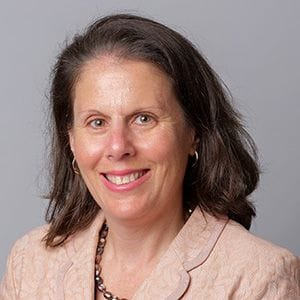
What is your research focus? What initially attracted you to your field?
My background is in synthetic organic chemistry, with a focus on catalysis and mechanism. Initially, I stumbled into this area through choosing to conduct research in a physical organic chemistry laboratory as an undergraduate because I was mostly able to understand the one-page description based on my 1st semester of coursework. Now, I realize that this space represents a confluence of organic chemistry and math, the latter of which was my initial planned college major!
Today, I lead a team at Merck that broadly covers Enabling Technologies, with diverse skillsets that include molecular biology and biochemistry, organic and analytical chemistry, chemical and bio-engineering, as well as data science. I call it an innovation incubator, the likes of which is necessary to solve the increasing complex and inter-disciplinary types of challenges we encounter in the pharmaceutical industry.
What do you hope to bring to your journal?
I have been affiliated with ACS Catalysis for many years, starting as an Editorial Advisory Board member, before becoming a Topic Editor, then an Associate Editor and now an Executive Editor! Side note: as an industrialist, that feels like climbing the corporate ladder! Throughout, my goals for the journal have remained consistent: 1) highlight the impressive scientific work that goes on in industry where preparation of the molecules we are interrogating demands ongoing innovations in synthetic chemistry; 2) socialize synthetic problems of interest in the pharmaceutical industry to drive academic investment; 3) provide a discerning eye for claims of applicability of new catalytic chemistries toward complex molecules.
What are the major challenges facing your field today?
Chemical matter that appears in medicines and vaccines is growing increasingly complex, merging traditional small molecule fragments with large molecule constructs. How we can efficiently prosecute these molecules is rate-determining, whether from an SAR or single-molecule standpoint. Bringing skillsets and experiences that were historically disparate represents a challenge and an opportunity to change the complexion of human health!
What do you think is the most interesting and/or important unsolved problem in your field?
We have a data problem. The power of predictive science is growing with increasing computing capacity and the emergence of sophisticated modeling languages and tools. The success of these efforts is predicated on access to data. Right now, we are limited by a combination of the lack of structure and contextualization around the data we have and our non-sharing of negative results. We need it all! Digital infrastructure investments and changes in publication attitudes are critical for truly tapping into the immense potential here.
Do you have a recent paper in an ACS journal that you'd like to highlight?
The Catalysis Laboratory at Merck: 20 Years of Catalyzing Innovation
Rebecca T. Ruck*, Neil A. Strotman, and Shane W. Krska
DOI: 10.1021/acscatal.2c05159
This is a review of the seminal work from Merck's Catalysis laboratory over the past 20 years. In writing it, my colleagues and I were astounded by all the cutting-edge, field-defining science we have been able to contribute - not just for the literature but to drive the progression of medicines to patients! I feel very fortunate that I am privy to this dual motivation every day.
Anything else you'd like readers to know about you?
I am one of the founders of Empowering Women in Chemistry (EWOC), which we were able to host at Merck in June 2024. This has been a true labor of love as we seek to not only stem the leaky pipeline but achieve equity in our field! For more info, check out this perspective we cross-published in 10 (!) ACS journals:
Empowering Women in Organic Chemistry (EWOC) at Five Years: Giving Back and Getting Back
Elinor H. Cantor*, Margaret M. Faul*, Donna M. Huryn*, Lara Kallander*, Rebecca T. Ruck*, and Mary P. Watson*
DOI: 10.1021/acscatal.3c04367
ACS Electrochemistry
Edgar Ventosa, Associate Editor
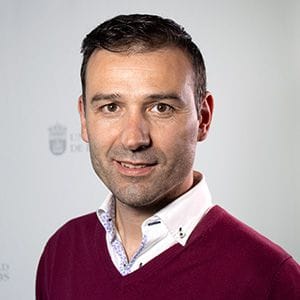
What is your research focus? What initially attracted you to your field?
My research focuses on electrochemical energy storage, particularly batteries. Our research group covers several battery topics, including development of advanced techniques, new battery concepts, elucidation of key storage mechanisms.
What do you hope to bring to your journal?
Based on my background as battery electrochemist, I hope to contribute to the development of fruitful forum for electrochemists working in various aspects of electrochemical energy storage.
What are the major challenges facing your field today?
Electrochemical energy storage devices are complex systems. Thus, there are multiple specific challenges for each energy storage technology. In general, study of individual key steps under operando conditions is very challenging since it is difficult to deconvolute from other electrochemical processes occurring simultaneously.
What do you think is the most interesting and/or important unsolved problem in your field?
The integration of scientific strategies in complex environment to address technological limitations has always interested me. That is, I am interested in leveraging scientific knowledge to overcome the challenges inherent in electrochemical technologies and bring them to market.
Do you have a recent paper in an ACS journal that you'd like to highlight?
Addressing Practical Use of Viologen-Derivatives in Redox Flow Batteries through Molecular Engineering
Rubén Rubio-Presa, Lara Lubián, Mario Borlaf, Edgar Ventosa*, and Roberto Sanz*
DOI: 10.1021/acsmaterialslett.2c01105
ACS Energy Letters
Lakshminarayana Polavarapu, Topic Editor

What is your research focus? What initially attracted you to your field?
My research focuses on the colloidal chemistry, optical spectroscopy, and optoelectronic applications of semiconductor nanocrystals, spanning halide perovskites, classical II–VI and III–V quantum dots, and other metal chalcogenide systems. Colloidal chemistry provides a versatile platform to tailor nanocrystal functionalities, enabling applications that span LEDs, solar cells, photodetectors, X-ray detectors, and solar-to-fuel generation. Recently, our group has been actively working on developing chiral materials with high dissymmetry factors for spin filters and chiral LEDs for energy-efficient displays. Initially, I was drawn to the field by the fascinating optical properties of these materials, such as near-unity quantum yields and tunable emission spanning the visible to near-infrared (NIR) spectrum, along with their strong potential for advanced optoelectronic applications.
What do you hope to bring to your journal?
As a topic editor, I hope to bring together research that tackles key challenges in semiconductor nanocrystals (quantum dots, QDs)–based optoelectronics, including the development of materials with high emission yields, efficient and operationally stable LEDs spanning the visible to near-infrared (NIR) range for display and communication technologies, and LEDs capable of circularly polarized electroluminescence. In addition, I aim to bring emerging materials and innovative conceptual designs for next-generation solar cells and radiation detectors.
What are the major challenges facing your field today?
Currently, colloidal semiconductor nanocrystals/QDs faces a major challenge with their surface chemistry, which is very sensitive to their optical properties and the corresponding devices. Controlling surface chemistry with different types of shell structures and ligands to achieve stability and high emission yields will still be one of the active research line.
Despite significant progress in visible QD LEDs, NIR LEDs continue to lag behind in both material development and device efficiency. In addition, achieving polarized emission through shape-controlled semiconductor nanocrystals remains a significant challenge, as they tend to form isotropic structures due to rapid nucleation and growth.
What do you think is the most interesting and/or important unsolved problem in your field?
Rational design of colloidal chemistry/synthesis to obtain NCs/QDs with desired morphology, surface chemistry, electronic structure, optical properties and optoelectronic function and performance remains a important unsolved problem. In addition, identifying non-toxic materials that exhibit properties and functions comparable to those of Cd- and Pb-based QDs remains one of the most compelling unsolved problems in the field.
Do you have a recent paper in an ACS journal that you'd like to highlight?
Chiral Molecules in Action: Chemistry of Chiral Perovskite and Perovskite-Inspired Materials
Ramavath Babu, Julian E. Heger, Taniya Dutta, Xiaowen Hu, Narayan Pradhan, Peter Müller-Buschbaum, Sergio Gómez-Graña, Lakshminarayana Polavarapu*
DOI: 10.1021/acsenergylett.5c02877
ACS Infectious Diseases
Xinghong Zhao, Associate Editor
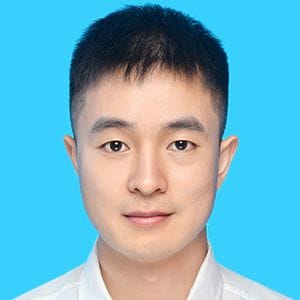
What is your research focus? What initially attracted you to your field?
My research interests include the discovery of novel antimicrobial peptides, the exploration of their mechanisms of action, and the development of targeted nanodelivery systems for antimicrobials and vaccines.
What do you hope to bring to your journal?
Expertise in engineering novel antibiotics and developing precise delivery strategies for antimicrobials and vaccines.
What are the major challenges facing your field today?
I believe that the lack of highly effective approaches for developing novel therapeutics against antibiotic-resistant pathogens, along with precise delivery strategies for antimicrobials and vaccines, poses significant challenges.
What do you think is the most interesting and/or important unsolved problem in your field?
Innovative strategies for discovering new therapeutics and precisely delivering antimicrobials and vaccines.
Do you have a recent paper in an ACS journal that you'd like to highlight?
Nisin-and ripcin-derived hybrid lanthipeptides display selective antimicrobial activity against Staphylococcus aureus
Xinghong Zhao, and Oscar P. Kuipers*
DOI: 10.1021/acssynbio.1c00080
Semisynthetic macrocyclic lipo-lanthipeptides display antimicrobial activity against bacterial pathogens
Xinghong Zhao, Yanli Xu, Jakob H. Viel, and Oscar P. Kuipers*
DOI: 10.1021/acssynbio.1c00161
ACS Omega
Lei Fang, Senior Editor
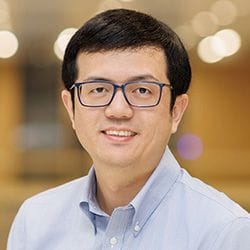
What is your research focus? What initially attracted you to your field?
My research interests focus on polymer chemistry, polymer materials, organic chemistry, and membrane science. I was drawn to this field by the extraordinary structural diversity of organic and polymeric compounds, and how this diversity enables an exceptionally wide range of material properties with great potential to benefit humanity.
What do you hope to bring to your journal?
I believe that research results should be shared to the entire humanity without a paywall. Among them, ACS Omega demonstrates a promising trajectory as part of one of the most successful chemistry-related publisher in the world.
What are the major challenges facing your field today?
One of the greatest challenges in my field is the disconnect between fundamental academic research and real‑world application needs.
What do you think is the most interesting and/or important unsolved problem in your field?
How one can achieve the seemingly "impossible triangle" of robustness, functional performance, and processability for organic materials.
Do you have a recent paper in an ACS journal that you'd like to highlight?
Yes, I am proud of our recent publication about ladder polymers on JACS Au:
Synthesis and Persistence Length Study of Defect-Free and Non-Aggregated Conjugated Ladder Polymers
James Shao-Jiun Yang, Vijaya Sundar Jeyaraj, Guorong Ma, Daniel Doria, Xiaodan Gu*, Daniel Tabor*, and Lei Fang*
DOI: 10.1021/jacsau.5c01162
ACS Synthetic Biology
Aindrila Mukhopadhyay, Associate Editor
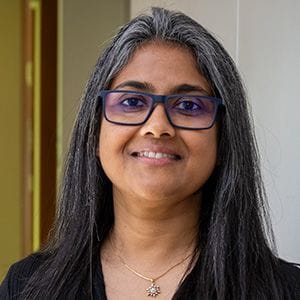
What is your research focus? What initially attracted you to your field?
I study both engineered and natural microbes in relation to their role in biomanufacturing and environmental applications. In my team we use functional genomics, systems biology and strain engineering techniques to develop microbial strains for improved catabolism, production and readiness for scale-up. We also use these approaches to examine signaling, mobile genetic elements in environmentally relevant bacteria.
What do you hope to bring to your journal?
I hope to bring studies that show the power of synthetic biology in microbes to solve critical challenges in biomanufacturing and other bio-based solutions.
What are the major challenges facing your field today?
Synthetic biology can be used to address a massive set of starting materials to many final products. Highly systematic approaches that use high throughput platforms and their integration with data driven approaches is a challenge we should try to over come.
What do you think is the most interesting and/or important unsolved problem in your field?
Natural microbial features such as heterogeneity or morphology are interic aspects of physiological states but remain poorly understood or used in the context of biomanufacturing.
Biochemistry
Jeremy Baskin, Associate Editor
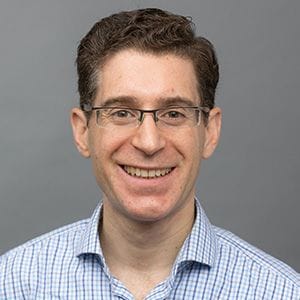
What is your research focus? What initially attracted you to your field?
My research interests are focused on the chemical biology and cell biology of lipids and membranes. I have been enamored with biochemistry and chemical biology ever since my days as a student working on bioorthogonal chemistry for protein labeling and glycan imaging, and I became fascinated with membrane trafficking and lipids during my postdoctoral studies. The dense metabolic web and dynamic nature of lipids has tremendous biochemical complexity that is an ideal setting for biochemists and chemical biologists to work in to develop precision tools for studying these biological molecules.
What do you hope to bring to your journal?
I hope to help Biochemistry serve as a major hub for the community of modern biochemists, broadly defined, where it continues to publish the most interesting, innovative, and impactful science in biochemistry and neighboring fields that it touches. Ideally the journal will also serve as a general resource containing commentaries, reviews, and perspectives on the important issues facing our field today.
What are the major challenges facing your field today?
I think that the field that I am most fascinated about — the biochemistry, chemical biology, and cell biology of lipids and membranes — faces a need for developing impactful tools for revealing mechanisms regulating highly dynamic metabolism and signaling with high spatiotemporal control.
What do you think is the most interesting and/or important unsolved problem in your field?
In the world of lipids and membranes, understanding how cells control the synthesis, transport, and degradation of these dynamic hydrophobic molecules that have to navigate an aqueous environment is one of the most important unsolved problems.
Do you have a recent paper in an ACS journal that you'd like to highlight?
I am super excited about a recent study led by graduate student Xiang-Ling (Julia) Li in my lab. In this work, Xiang-Ling exploited internal fusion of a LOV domain, an optogenetic conformational switch, to render the catalytic activity of a lipid-modifying enzyme, phospholipase D, controllable by visible light. The resultant "membrane editor", termed LOVPLD, enables targeted manipulation of the phospholipid content of different organelle membranes. This work, and example of an approach we have named synthetic lipid biology, revealed organelle-selective metabolism and signaling of the phospholipid generated by LOVPLD, the lipid second messenger phosphatidic acid, setting the stage for us to discover molecule mechanisms underlying these spatially restricted phenomena.
Ultralow Background Membrane Editors for Spatiotemporal Control of Phosphatidic Acid Metabolism and Signaling
Xiang-Ling Li, Reika Tei, Masaaki Uematsu, and Jeremy M. Baskin*
DOI: 10.1021/acscentsci.3c01105
Biomacromolecules
Harm-Anton Klok, Reviews & Perspectives Editor
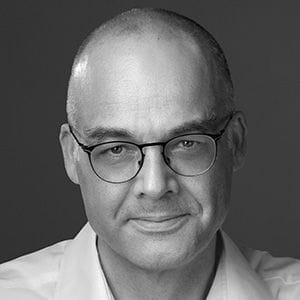
What is your research focus? What initially attracted you to your field?
Our research interests center around three areas; (i) polymer surfaces and interfaces, (ii) sustainable polymers, and (iii) polymers for health and agricultural applications. In all these three areas we strive to use techniques from modern polymer science to contribute to help address key societal challenges such as health, the environment and sustainable global development.
What do you hope to bring to your journal?
There are two topics that are close to my heart that I hope to be able to contribute. Firstly, I am passionate about publishing, and very keen on sharing my experiences as author, reviewer and editor with others, in particular younger colleagues. Secondly, I am convinced that materials in general, and polymers specifically, will be key to help transform our planet and secure a sustainable future for the next generations. Many of the Sustainable Development goals defined by the United Nations can only be addressed by innovative polymer materials innovations, many in areas that are highly relevant to the readership of Biomacromolecules.
What are the major challenges facing your field today?
Some of the most interesting and relevant scientific problems nowadays are those that run across various borders, both of scientific disciplines and nations around the world. Tackling today's complex problems requires the ability to cooperate and communicate across disciplines.
What do you think is the most interesting and/or important unsolved problem in your field?
Making our world a sustainable place for future generations to prosper. Polymer materials ("plastics") have revolutionized our world over the past ~100 years. In spite of many challenges that need to be addressed (such as e.g. combatting pollution and transitioning away from fossil-resource-based materials), I am convinced that polymers will also be of key importance to shape the future.
Do you have a recent paper in an ACS journal that you'd like to highlight?
This Perspective article that we recently published in Biomacromolecules is on a topic that is close to my heart. It highlights an area that I believe is full of exciting research opportunities.
Opportunities and Challenges for Lignin Valorization in Food Packaging, Antimicrobial, and Agricultural Applications
Alice Boarino and Harm-Anton Klok*
DOI: 10.1021/acs.biomac.2c01385
Anything else you'd like readers to know about you?
I am always interested to learn about new research or discuss publishing over a coffee!
Abigail Knight, Associate Editor
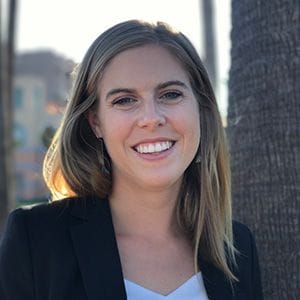
What is your research focus? What initially attracted you to your field?
The Knight Group integrates both perspectives and techniques at the forefronts of chemical biology and polymer science to develop materials that mimic and improve upon natural biomacromolecules. This work is inspired by my training in chemical biology (PhD with Prof. Matthew Francis at UC Berkeley) and polymer science (postdoctoral research with Prof. Craig Hawker at UCSB), and the overlapping challenges in identifying relationships between sequence, structure, and function in bio- and bioinspired macromolecules. In the Knight Group, we are pursuing both bioinpsired design to generate hierarchical structure and desirable conformational dynamics in synthetic materials and high-throughput workflow to traverse the large and complex design space of synthetic copolymers.
What do you hope to bring to your journal?
I am excited to add orthogonal areas of expertise in bioinspired design and high-throughput workflow development to Biomacromolecules. I look forward to engaging with the many community members working on biological and bioinspired materials, especially those beginning their independent careers, as I have benefited from supportive interactions from many editors within this ACS community.
What are the major challenges facing your field today?
The advances in the synthesis of macromolecules of various types in the past few decades have been enormous and revealed an enormous accessible design space. The challenge the remains is leveraging and expanding on our existing experimental and computational techniques to identify design principles that enable fine-tuned functions to address societal challenges.
What do you think is the most interesting and/or important unsolved problem in your field?
The de novo design of functional materials that have the desired reuse and recyclability properties is an enormous challenge, and one that those of us at the interface of biological and bioinspired materials are well suited to tackle.
Do you have a recent paper in an ACS journal that you'd like to highlight?
Tailoring Hierarchical Structure and Rare Earth Affinity of Compositionally Identical Polymers via Sequence Control
Peter A. Dykeman-Bermingham, Matthew P. Bogen, Supraja S. Chittari, Savannah F. Grizzard, and Abigail S. Knight*
DOI: 10.1021/jacs.4c00440
We investigated how polymer primary sequence impacts local structure and binding affinity/selectivity to target rare earth ions. A series of compositionally identical copolymers were synthesized, and kinetic Monte Carlo simulations were used to visualize and quantify overlap between the unique polymer ensembles using CopolymerSequenceGeneration (available Knight Group GitHub). Single-chain collapse and the distribution of single- and multichain assemblies were both impacted by monomer patterning. Sequence, structure, and target function, were all connected through a model system incorporating a functional acrylic acid monomer that demonstrated the impact of hierarchical structure on the affinity for rare earth elements. Collectively, these results highlight the potential and boundaries of sequence control via multiblock polymerizations to drive primary sequence ensembles hierarchical structures, and ultimately the functionality of compositionally identical polymeric materials.
Anything else you'd like readers to know about you?
Alongside beginning my position as a faculty member, I have enormously enjoyed becoming a parent during my early career.
Energy & Fuels
Zhehui Jin, Topic Editor
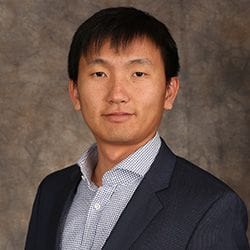
What is your research focus? What initially attracted you to your field?
My research focuses on understanding fluid behavior in subsurface energy systems from a molecular perspective, grounded in statistical thermodynamics and molecular simulation. We study adsorption, phase behavior, and transport in nanoporous materials relevant to CO2 storage, unconventional reservoirs, hydrogen systems, and critical mineral recovery. By integrating statistical thermodynamic frameworks with molecular simulations, I aim to connect microscopic interactions with macroscopic thermodynamic and transport properties to enable more predictive and sustainable energy processes.
I was initially drawn to this field by a fascination with how fundamental molecular interactions give rise to complex macroscopic behavior. During my early training, I became particularly interested in using molecular simulation to probe systems under extreme conditions, where experiments are challenging. The opportunity to uncover fundamental principles while contributing to energy sustainability continues to motivate my research.
What do you hope to bring to your journal?
As a Topic Editor for Energy & Fuels, I hope to support work that advances fundamental understanding while remaining closely connected to real-world energy systems. My research focuses on subsurface reservoirs, where complex processes span multiple scales, from nanoscale confinement to field-scale behavior, and take place under extreme thermodynamic conditions. I am particularly interested in contributions that bridge these scales, integrating statistical thermodynamics, molecular simulation, experiments, and emerging data-driven approaches to develop more predictive frameworks. I also hope to encourage studies that move beyond case-specific results toward broadly applicable insights. More broadly, I aim to contribute to a rigorous, fair, and efficient editorial process that supports authors and strengthens the journal’s impact.
What are the major challenges facing your field today?
A major challenge in this field is bridging the wide range of length and time scales involved in energy systems, particularly in subsurface reservoirs where processes span from molecular interactions in nanopores to field-scale behavior. Another key challenge is understanding fluid behavior under extreme conditions, such as high-pressure high-temperature and confinement, where conventional models often break down. More broadly, integrating statistical thermodynamics, molecular simulation, experiments, and data-driven approaches to develop predictive and transferable frameworks remains an important direction for the field.
What do you think is the most interesting and/or important unsolved problem in your field?
One of the most important unsolved problems in this field is achieving predictive thermodynamic descriptions of complex fluids under realistic subsurface conditions, where processes span multiple length scales and occur under extreme environments. This challenge is particularly evident in formation water systems, where ion thermodynamics in both bulk and confined environments remain incompletely understood. These effects play a critical role in applications such as critical mineral recovery, geothermal energy, and subsurface gas storage, including CO2 and hydrogen, yet current models often lack the accuracy and transferability needed under high salinity, high pressure, high temperature and confinement.
A related but distinct challenge lies in describing the thermodynamics of fluid mixtures, such as gas and hydrocarbon systems, under high-pressure, high-temperature, and confined conditions. In these environments, molecular interactions, phase behavior, and transport can deviate significantly from classical expectations, making it difficult to develop unified models that remain predictive across conditions and compositions.
More broadly, there is a need for reliable and efficient modeling frameworks that can bridge molecular-scale understanding, grounded in statistical thermodynamics, with larger-scale descriptions. Integrating molecular simulation, experimental data, and emerging data-driven approaches will be essential for building predictive and scalable tools for subsurface energy applications.
Do you have a recent paper in an ACS journal that you'd like to highlight?
Phase Equilibria of CO2 and n-Alkanes in Bulk and Confined Space Using Parallelized Wang–Landau Transition-Matrix Monte Carlo Simulations
Jilong Xu, Harold W. Hatch, Vincent K. Shen, and Zhehui Jin*
DOI: 10.1021/acs.energyfuels.5c00420
We demonstrated the capability of Wang-Landau transition-matrix Monte Carlo (WL-TMMC) for rapid and accurate prediction of fluid mixture phase behavior in both bulk and confined environments. By leveraging flat-histogram sampling and free energy reconstruction, the method enables the determination of phase equilibria, van der Waals loops, and free energy barriers from a single simulation.
This work establishes a scalable framework for thermodynamic predictions of complex systems and paves the way for broader applications, including brine thermodynamics, gas separation, and polymer-containing systems under realistic subsurface conditions.
Paramaconi Rodriguez, Associate Editor
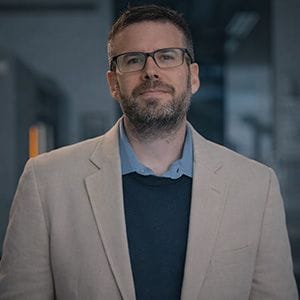
What is your research focus? What initially attracted you to your field?
My research focuses on electrochemical energy conversion, particularly electrocatalysis for hydrogen production and CO₂ utilization. I was drawn to electrocatalysis because it offers a direct route to turn renewable electricity into chemical fuels and feedstocks, especially green H₂ and value-added products from CO₂. The mix of fundamental interface chemistry with real climate and industrial impact is what keeps me excited about the field.
What do you hope to bring to your journal?
Building on my background in fundamental and applied electrocatalysis, I aim to contribute to a vibrant forum that connects electrochemists working across the many facets of electrochemical energy conversion. In particular, I’m interested in advancing the field through rational materials design, linking composition, structure, and interfaces to activity and stability, and through improved in situ/operando characterization methods that capture how catalysts and electrolytes evolve under realistic reaction conditions.
What are the major challenges facing your field today?
Key challenges are achieving high activity and selectivity at industrially relevant current densities while keeping low overpotentials and minimal mass-transport losses. Long-term stability remains difficult because catalysts and supports restructure, dissolve, or foul under operation, often in ways that are hard to detect. For CO₂ reduction, controlling local reaction environment (pH, CO₂ availability, ion effects) to suppress competing HER and steer product distributions is still a major hurdle. Finally, linking lab metrics to real devices requires standardized testing and operando tools that quantify true active sites and degradation pathways.
What do you think is the most interesting and/or important unsolved problem in your field?
What is the real active site during operation, what is the true composition and structure of the catalyst–electrolyte interface under working conditions, how do both evolve with time, and how can we engineer them to remain optimal for thousands of hours at industrial current densities?
Do you have a recent paper in an ACS journal that you'd like to highlight?
Electrochemical Conversion of CO2 and CH4 at Subzero Temperatures
Elizabeth Sargeant, Adam Kolodziej, Cécile S. Le Duff, and Paramaconi Rodriguez*
DOI: 10.1021/acscatal.0c01676
This paper is one of my favorites because it changes the rules of electrocatalysis by treating temperature and phase behavior as deliberate design knobs: operating at subzero conditions boosts gas availability and reshapes the interface in a way that makes the electrochemical conversion of CO₂ and even CH₄ feasible. It’s also exciting because it opens a new application space, from energy conversion in cold environments to concepts relevant for space/ISRU, while reinforcing a key lesson I care about: performance is often dictated as much by the real operating interface and transport as by the catalyst itself.
Anything else you'd like readers to know about you?
My passion for chemistry extends beyond the lab and into the kitchen; I love translating ideas from chemistry books into experiments at the stove. One of my favorite references is Modernist Cuisine by Nathan Myhrvold, which I often use for inspiration to explore the science behind cooking.
Journal of Medicinal Chemistry
Lori Ferrins, Associate Editor
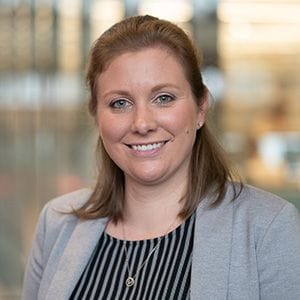
What is your research focus? What initially attracted you to your field?
My research focuses on the development of drugs for intractable diseases, including neglected tropical diseases, pathogenic free-living amoebae, and antifungal agents. I am particularly drawn to the inherently collaborative nature of medicinal chemistry and drug discovery, which allows for the integration of diverse expertise from a variety of disciplines, including but not limited to, biologists, computational chemists, structural biologists, PK/PD experts. This interdisciplinary approach not only drives innovation but enables us to address the unique challenges that each project presents, making each new endeavor both intellectually stimulating and rewarding.
What do you hope to bring to your journal?
I hope to contribute to the Journal of Medicinal Chemistry by promoting research on rare and infectious diseases, a field I am deeply passionate about, while also fostering opportunities to engage with and highlight the work of junior researchers, ensuring their innovative science is featured and celebrated.
What are the major challenges facing your field today?
A major challenge facing my field today is the limited understanding of the biology of certain organisms, such as parasites and free-living amoebae, which impedes the development of effective therapies. Despite this, one of the aspects I find most inspiring about neglected tropical disease research is the strong sense of community among researchers, often facilitated by organizations like the Drugs for Neglected Diseases initiative. Embracing the principles of open science could further accelerate progress by enabling faster identification of new treatments on a much larger scale.
What do you think is the most interesting and/or important unsolved problem in your field?
The most interesting and important unsolved problem in my field is understanding how drugs enter pathogenic organisms and how we, as chemists, can modulate their properties to enhance uptake and efficacy. For example, Trypanosoma cruzi is an intracellular parasite that causes Chagas disease, and is incredibly challenging to drug as several cellular membranes must be successfully traversed. This has translated to low hit rates from screening campaigns and consequently, no new drugs have been approved to treat Chagas disease in over 50 years. This problem is seen across many disease areas, not just those caused by parasites, but also pathogenic free-living amoeba, and other infectious agents. Understanding the mechanisms for how small molecules permeate into these organisms is vital to the future design of potent and selective therapies.
Do you have a recent paper in an ACS journal that you'd like to highlight?
Pharmacophore Identification and Structure–Activity Relationship Analysis of a Series of Substituted Azaindoles as Inhibitors of Trypanosoma brucei
Lori Ferrins*, Rosario Diaz, Carlos Cordon-Obras, Domingo Rojas-Barros, Antonio Quotadamo, Daniel P. Oehme, Gloria Ceballos-Pérez, Uma Swaminathan, Guiomar Pérez-Moreno, Cristina Bosch-Navarrete, Raquel García-Hernández, Claudia Gomez-Liñan, Andreu Saura, Luis Miguel Ruiz-Perez, Francisco Gamarro, Maria Santos Martinez-Martinez, Pilar Manzano, Dolores González-Pacanowska, Miguel Navarro, and Michael P. Pollastri
DOI: 10.1021/acs.jmedchem.4c00785
Hai Qian, Associate Editor
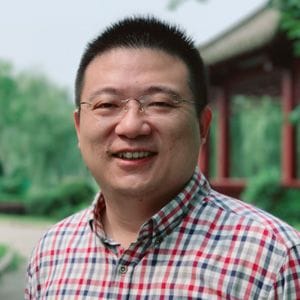
What is your research focus? What initially attracted you to your field?
My research focus revolves around medicinal chemistry, with the aim of uncovering several small molecules and peptide drugs in areas such as anti-cancer therapeutics, the treatment of metabolic disorders, analgesia and anesthesia. My most recent research pertains to antibody-derived peptides. The peptide paratope mimics are designed based on the sequences of antibody CDRs. Subsequently, we have crafted peptide-drug conjugates (PDCs) by connecting targeting peptides to toxin drugs.
China Pharmaceutical University, where I am employed, boasts a long-standing tradition of pharmaceutical education and research. Right from the onset of my research journey, I have been wholeheartedly engaged in medicinal chemistry research, with the aspiration of obtaining multiple drugs that can fulfill clinical demands.
What do you hope to bring to your journal?
I hope to report more narratives of drug development and offer outstanding cases for a greater number of professionals.
What are the major challenges facing your field today?
The application of artificial intelligence (AI) is set to exert a substantial influence on medicinal chemistry. Virtually all types of target protein structures can be simulated; however, designing drugs that are truly effective remains highly challenging and still relies on traditional drug design techniques. We hold the hope of achieving breakthroughs in this domain.
What do you think is the most interesting and/or important unsolved problem in your field?
The early detection and treatment of metabolic diseases and cancers, especially in the context of an increasingly aging population, will pose a significant challenge in the years to come.
Do you have a recent paper in an ACS journal that you'd like to highlight?
Development of Peptide Paratope Mimics Derived from the Anti-ROR1 Antibody and Long-Acting Peptide–Drug Conjugates for Targeted Cancer Therapy
Yang Zhang, Yiqing Fan, Shuyu Liu, Yonghui Guan, Jiale Wan, Qiang Ren, Jialing Wang, Li Zhong, Zhipeng Hu, Wei Shi*, and Hai Qian*
DOI: 10.1021/acs.jmedchem.4c00511
Langmuir
Herdeline Ann Ardoña, Senior Editor
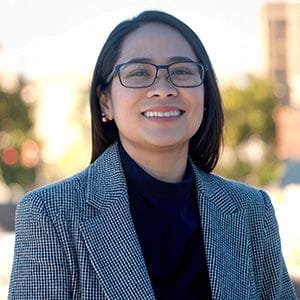
What is your research focus? What initially attracted you to your field?
Our group focuses on developing macromolecular biomaterials to regulate signal transduction between excitable cells and their environment. I became interested in biomaterials research because of its interdisciplinary nature. Currently, the biomaterials we are designing are based on peptide or polymer backbones, which are capable of transducing optical-to-electrical, mechanical-to-optical, and chemical-to-spatial cues at the cell-material interface.
What do you hope to bring to your journal?
I hope to bring the interdisciplinary nature of my training and current research to my role as a Senior Editor for Langmuir. Historically, Langmuir has been home to several papers that address fundamental concepts in interfacial research. As many emerging fields continue to rely on these concepts, I hope to help the journal feature newer interdisciplinary work that still brings fresh insights into rationally designing interfaces.
What do you think is the most interesting and/or important unsolved problem in your field?
Achieving personalized biomaterial design based on patient background could be truly impactful once fully realized. Advances in AI/ML could be leveraged to benefit the design of patient-specific biotic-abiotic interfaces.
Do you have a recent paper in an ACS journal that you'd like to highlight?
Micropatterning Photoconductive Peptide Assemblies on Stiff and Soft Biomaterial Substrates
Emil M. Lundqvist, Kathryn K. Lee, Lanie Le, Krystal Nguyen, Sujeung Lim, Natalie Celt, Yuyao Kuang, Ze-Fan Yao, Haotian Wu, Sheng Wei Tang, Jian Pei, and Herdeline Ann M. Ardoña*
DOI: 10.1021/acsami.5c05693
Macromolecules
Jadranka Travas-Sejdic, Associate Editor
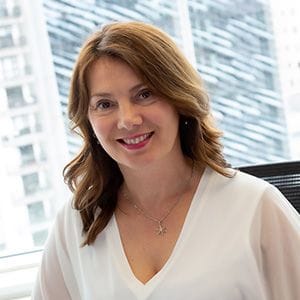
What is your research focus? What initially attracted you to your field?
I am a materials scientist specializing in polymeric materials with a focus on polymer bioelectronics and biosensors. My research primarily centers on cost-effective electrochemical biosensors and functional polymeric materials for wearable and implantable bioelectronics. I also explore nanostructured materials for biological applications and energy storage, along with developing tools for nano/micro-fabrication and characterization of polymeric conducting materials.
What initially attracted me to the field of polymers and, more broadly, materials science was the opportunity to combine chemistry, biology and engineering to create innovative functional materials that can improve health technologies.
What do you hope to bring to your journal?
I hope to bring a unique multidisciplinary perspective on polymer science to the journal, that is bridging disciplines of polymer science, bioelectronics and nanotechnology.
What are the major challenges facing your field today?
The inherent flexibility and lightweight of polymer electronics make them suitable for applications in wearable and skin electronics, smart textiles and various other stretchable and implantable electronics where electronic interfaces with biological tissues.
Some of the challenges are stability and long-term biocompatibility of polymeric electronic materials and their integration into miniaturised devices to enable, for example, real-time health monitoring. These challenges are closely linked to material innovations.
What do you think is the most interesting and/or important unsolved problem in your field?
I think it is the development of truly biocompatible, highly conductive polymers, solution processable and stable is physiological environments that can reliable function over extended periods. Having such polymeric materials could accelerate advancements in fields such as neural interfaces, prosthetics and other implantable medical devices.
Do you have a recent paper in an ACS journal that you'd like to highlight?
Recent Progress and Future Prospects in Transient Polymer Electronics
Eddie Wai Chi Chan, Xin Sun, and Jadranka Travas-Sejdic*
DOI: 10.1021/acs.macromol.3c00254
Transient polymer electronics is an emerging and important area of polymer electronics that is addressing a growing problem of electronic waste and, at the same time, the need for innovation in polymeric materials for biodegradable and implantable medical electronics.
Anything else you'd like readers to know about you?
I am committed to nurturing and mentoring young scientists and fostering an inclusive academic environment.
Molecular Pharmaceutics
Keisuke Ueda, Associate Editor
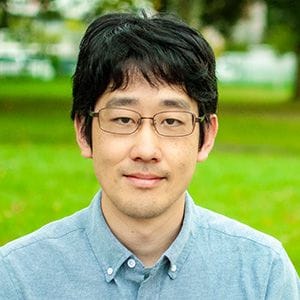
What is your research focus? What initially attracted you to your field?
My research focus is on drug formulations, particularly in understanding how the molecular state of active pharmaceutical ingredients (APIs) and additives affects their physicochemical properties and, consequently, their performance in drug delivery. I am deeply engaged in developing and improving formulations such as amorphous solid dispersions, nanoparticles, liposomes, and other advanced systems to enhance drug solubility, stability, and bioavailability. I also work on advanced characterization techniques, like solid-state NMR and suspended-state NMR, to gain molecular-level insights into these formulations.
What initially attracted me to this field was the fascinating challenge of translating chemical and physical principles into practical solutions that can improve human health. The ability to modify how drugs behave through molecular design and formulation intrigued me from early on, as it bridges science and its tangible impact on therapeutic outcomes. The idea that a deep understanding of the molecular state of drug formulations can lead to more effective treatments sparked my passion for pharmaceutical sciences.
What do you hope to bring to your journal?
As an editor for Molecular Pharmaceutics, I hope to bring a focus on innovation in drug formulation and delivery technologies, as well as foster interdisciplinary collaboration. Given my research background in molecular-level characterization techniques, such as NMR, I aim to highlight studies that advance the understanding of drug and excipient interactions and their impact on formulation performance. Additionally, I want to encourage submissions that bridge fundamental research and practical applications, ultimately guiding the development of safer, more effective drug delivery systems.
I also hope to create a platform that nurtures emerging research areas, such as nanoformulations and advanced drug complexes, while ensuring rigorous peer review to maintain the high scientific standards of the journal.
What are the major challenges facing your field today?
Some of the major challenges in the field of drug formulations and delivery today include:
- Improving Drug Solubility and Bioavailability: Many new drug candidates, particularly those emerging from high-throughput screening, are poorly soluble, which limits their bioavailability. Developing formulations that can enhance solubility without compromising stability or safety remains a key challenge.
- Predicting Long-Term Stability: Maintaining the physical and chemical stability of advanced formulations, like amorphous solid dispersions and nanoparticles, over long periods is difficult. Stability concerns can arise due to changes in the molecular state, leading to drug crystallization or aggregation.
- Precision in Characterization Techniques: While techniques like solid-state NMR and cryo-TEM have advanced, accurately characterizing the molecular state, interactions, and physical properties of complex formulations at nanoscale resolution remains challenging. Developing more precise, non-invasive characterization tools is critical for understanding the formulation behavior at the molecular level.
- Regulatory Hurdles: For new drug formulations, particularly for complex and nanostructured systems, navigating regulatory approval processes can be complex. The lack of standardized methods for evaluating the safety and efficacy of these formulations can slow down the translation of innovative technologies to the market.
Addressing these challenges requires continued innovation in formulation science, more sophisticated analytical methods, and stronger collaboration between academic research, industry, and regulatory bodies.
What do you think is the most interesting and/or important unsolved problem in your field?
One of the most interesting and important unsolved problems in drug formulation is precisely predicting and controlling the solubility and stability of complex drug formulations, particularly for amorphous and nanostructured systems. Despite significant advances, the mechanisms that govern how different excipients and additives influence the molecular state of drugs, and how this, in turn, affects solubility, crystallization, and physical stability, are not fully understood.
In amorphous formulations, for example, achieving a balance between increased solubility and preventing crystallization over time remains a critical challenge. Similarly, for nanoparticles and liposomes, understanding how surface interactions, encapsulation techniques, and external factors (such as temperature and pH) affect both drug release profiles and physical stability at the molecular level is still a topic of intense research.
Solving this problem would allow researchers to design more predictive, reliable formulations with optimal performance, reducing the trial-and-error phase in drug development and significantly speeding up the process of bringing new therapeutics to market. Additionally, it would pave the way for more tailored, patient-specific formulations, improving drug efficacy and safety.
Do you have a recent paper in an ACS journal that you'd like to highlight?
Molecular-Level Structural Analysis of siRNA-Loaded Lipid Nanoparticles by 1H NMR Relaxometry: Impact of Lipid Composition on Their Structural Properties
Keisuke Ueda*, Yui Sakagawa, Tomoki Saito, Taiki Fujimoto, Misaki Nakamura, Fumie Sakuma, Shun Kaneko, Taisei Tokumoto, Koki Nishimura, Junpei Takeda, Yuta Arai, Katsuhiko Yamamoto, Yukihiro Ikeda, Kenjirou Higashi, and Kunikazu Moribe
DOI: 10.1021/acs.molpharmaceut.3c00477
Quantitative Analysis of Drug Supersaturation Region by Temperature-Variable Nuclear Magnetic Resonance Measurements, Part 1: Effects of Polymer and Drug Chiralities
Keisuke Ueda*, Kenjirou Higashi, and Kunikazu Moribe
DOI: 10.1021/acs.molpharmaceut.2c00924
Organic Letters
Guosheng Liu, Associate Editor
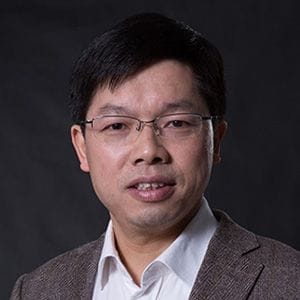
What is your research focus? What initially attracted you to your field?
My research focuses on the highly selective functionalization of alkenes and alkanes by transition metal catalysis, particularly on the site- and enantioselective functionalization of various C-H bonds. The latter presents a powerful and streamlined approach for the synthesis of highly valuable compounds. By designing metal catalysts, we aim to survey methods to tuning selectivity of the reaction of heteroatom and carbon radicals, leading to the highly selective functionalization of C-H bonds. The longstanding challenge of enantioselectivity controlling of radicals was a key factor that initially attracted me to this field.
What do you hope to bring to your journal?
I hope to provide high-quality editorial services for the publication of excellent and suitable researches and contribute with my expertise in radical and TM-catalysis.
What are the major challenges facing your field today?
Site- and enantioselective functionalization of C-H bonds is a longstanding challenge in the field, particularly for the the organic molecules containing multiple similar C-H bonds. Developing catalysts capable of controlling both site- and stereoselectivity remains a significant hurdle.
What do you think is the most interesting and/or important unsolved problem in your field?
Developing strategies to precisely control the reactivity and selectivity of radical intermediates is crucial for the development of new organic reactions and utility of these transformations in synthetic chemistry.
Do you have a recent paper in an ACS journal that you'd like to highlight?
I would like to highlight our recent paper published in Journal of the American Chemical Society. In this work, we developed an electrophotocatalytic decoupled radical relay approach that enables highly selective and efficient benzylic C-H functionalization, offering a new strategy for asymmetric functionalization of C-H bonds.
Electrophotocatalytic Decoupled Radical Relay Enables Highly Efficient and Enantioselective Benzylic C–H Functionalization
Wenzheng Fan, Xueyao Zhao, Yunshun Deng, Pinhong Chen, Fei Wang*, and Guosheng Liu*
DOI: 10.1021/jacs.2c09366
Additionally, I would like to highlight another paper, also published in Journal of the American Chemical Society, in which we report a site-selective functionalization of allenyl sp2 C-H bonds via a copper-catalyzed radical relay, providing a novel method for sp2 C-H functionalization of allenes.
Site-Selective sp2 C–H Cyanation of Allenes via Copper-Catalyzed Radical Relay
Zhongming Cheng, Tilong Yang, Can Li, Yunshun Deng, Fangjia Zhang, Pinhong Chen, Zhenyang Lin*, Shengming Ma*, and Guosheng Liu*
DOI: 10.1021/jacs.3c11368
Organometallics
David Powers, Associate Editor
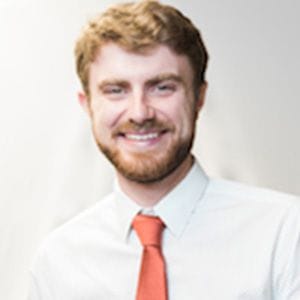
What is your research focus? What initially attracted you to your field?
My group develops new strategies for sustainable synthetic chemistry. Highlights include efforts to develop novel strategies to achieve redox catalysis with heavy main group elements, new strategies to characterize reactive intermediates in catalysis using in crystallo synthesis, and the development of new reagents to streamline the synthesis of functional organic small molecules. I was attracted to organometallic chemistry as a field that utilizes fundamental chemical insights to develop solutions to pressing societal challenges.
What do you hope to bring to your journal?
The intersection of photochemistry, organometallic chemistry, and new catalytic methods is rapidly expanding. I hope to provide a venue for researchers from these disparate research areas to share their most recent advances and discoveries in order to enable progress and build new communities.w
What are the major challenges facing your field today?
It is an incredibly exciting time to be an organometallic chemist as emerging challenges continue to push the field in new directions. Continuing challenges aimed to achieve highly selective and predictable reactions with earth-abundant transition metal ions continue to provide ample room for discovery. New opportunities, such as using main-group elements to achieve metal-free catalytic transformations, represent new horizons to apply the tools of organometallic chemistry and catalysis to unaddressed chemical challenges. Finally, delineation of reaction mechanisms and catalyst design principles remain foundational ideas in organometallic chemistry. The development of new tools and techniques to evaluate reaction mechanism and reactive intermediates will undoubtedly push the field forward.
Do you have a recent paper in an ACS journal that you'd like to highlight?
Aziridine Group Transfer via Transient N-Aziridinyl Radicals
Promita Biswas, Asim Maity, Matthew T. Figgins, and David C. Powers*
DOI: 10.1021/jacs.4c14169