
Meet some of our newest executive, senior, associate, and topic editors, and learn about the unique gifts they bring to their respective journals.

New editors bring new experiences, perspectives, and ideas to their publications. Get to know some of ACS Publications' newest executive, senior, associate, and topic editors, explore their featured research articles, and learn about the unique gifts they each bring to their respective journals.
Browse by Journal or Editor:
ACS Catalysis
- Céline Chizallet
- Emiliano Cortés
- Sílvia Osuna
ACS Central Science
- Seth Cohen
ACS Electrochemistry
- Long Luo
ACS Macro Letters
- Michael Webb
ACS Omega
- Tao Liu
- Carme Rovira
Industrial & Engineering Chemistry Research
- Elizabeth Endler
Inorganic Chemistry
- Marek Sierka
- Cheng Wang
Journal of Agricultural and Food Chemistry
- Tian Liu
- Wim Van den Ende
Journal of Chemical & Engineering Data
- Jayant Singh
Journal of Medicinal Chemistry
- Tudor Oprea
Journal of Natural Products
- Shinichi Nishimura
Langmuir
- Dong Wang
- Yilin Wang
- Xiaoji Xu
ACS Catalysis
Céline Chizallet, Topic Editor
What is your research focus? What initially attracted you to your field?
Catalysis, Molecular simulations.
I was attracted by:
- the very numerous questions (structure of active sites, mechanisms) remaining open in heterogeneous catalysis
- the relevance of molecular simulations to answer these questions
- the applied nature of heterogeneous catalysis
What do you hope to bring to your journal?
I am motivated by helping the catalysis community to ensure the robustness of the published data, so as to contribute to the expansion of knowledge at a global level, thanks to a fair, rigourous and ethical practice of science. I hope my expertise in heterogeneous catalysis and molecular simulations will be helpful to reach this goal.
What are the major challenges facing your field today?
Catalysis is a key-asset in the context of energy transition and sustainable chemistry. New opportunities are open, that require a significant diversification of the molecules to be transformed by catalysts, for a large set of targets.
What do you think is the most interesting and/or important unsolved problem in your field?
Having methods to infer the best catalyst for a given application, with a moderate research and development effort, is an ever-going challenge. In heterogeneous catalysis, the challenge is made even higher as significant efforts has to be devoted to the characterization of the structure of the active sites.
Do you have a recent paper in an ACS journal that you'd like to highlight?
The most recent one I have contributed to is the following:
Elucidating the Genesis and Nature of Alumina Supported Pt Single Atoms during Reduction: On the Role of Chlorine
Adrien Hellier, Céline Chizallet, and Pascal Raybaud*
DOI: 10.1021/acscatal.5c08947
Emiliano Cortés, Associate Editor
What is your research focus? What initially attracted you to your field?
My research focuses on developing catalytic materials and devices for clean energy harvesting, conversion, and storage—primarily through photocatalysis and electrocatalysis. I work on strategies to convert abundant molecules (like CO₂ and water) into useful fuels and chemicals, and to improve energy efficiency across these processes.
I was initially attracted to this field by the urgency of climate change and the opportunity to contribute to sustainability in a practical, science-driven way. The idea that we can enable renewable-energy-based chemistry and support a circular carbon economy—turning waste streams into value using sunlight and electricity—still motivates my work.
What do you hope to bring to your journal?
I hope to bring strong, constructive expertise in plasmonic and photonic chemistry, in-operando/operando microscopy and spectroscopy, and the design of novel nanomaterials and functional interfaces for energy conversion.
What are the major challenges facing your field today?
Major challenges include translating elegant lab-scale demonstrations into robust pilot-scale systems with realistic operating conditions, long-term stability, and meaningful energy/carbon metrics. The field also needs more earth-abundant, heterogeneous catalysts and supports that can match the activity/selectivity of precious-metal benchmarks while remaining durable and manufacturable. Finally, bridging the gap to deployment requires translational engineering and standardization—rigorous benchmarking, reproducible protocols, and designs that integrate with existing infrastructure and installed capabilities for real-world utilization.
What do you think is the most interesting and/or important unsolved problem in your field?
One of the most important unsolved problems is how to redefine chemistry around renewable energy—making electricity and light the primary “reagents” to drive selective transformations. If we can reliably couple photons/electrons to bond-making and bond-breaking with the same control as thermal catalysis, we could enable decentralized, modular, low-carbon chemical manufacturing. That shift wouldn’t just decarbonize today’s processes—it could unlock entirely new reaction pathways and molecular conversions that aren’t accessible in conventional, heat-driven chemistry.
Do you have a recent paper in an ACS journal that you'd like to highlight?
Yes—two recent ACS papers from my group that capture this direction are:
- Plasmonic Enhancement in an Earth-Abundant CuNi Catalyst for Alkaline Hydrogen Evolution Reaction
Ye-Hua Wang, Li Zhu, Edoardo Mariani, Evangelina Pensa, Olivier Henrotte, Yu Xia, Knut Müller-Caspary, Tian-Yun Zhang, Min-Rui Gao*, and Emiliano Cortés*
DOI: 10.1021/jacs.5c20455 - Visualizing Dynamic Processes in Energy Materials by Interferometric Scattering Microscopy
Franz Gröbmeyer, Victor Fernandez-Gonzalez, Simone Ezendam, Christoph G. Gruber, Mohsen Beladi Mousavi*, and Emiliano Cortés*
DOI: 10.1021/acsenergylett.5c03495
Anything else you'd like readers to know about you?
I’m Argentinean and currently based in Germany, and I’ve benefited enormously from working across borders, disciplines, and cultures. I strongly believe our global scientific community is essential for shaping the future of chemistry, and I’m committed to helping build a greener, more diverse, and more sustainable field—for chemistry and for all of us.
Sílvia Osuna, Associate Editor
What is your research focus? What initially attracted you to your field?
My research focuses on computational enzyme design and the study of biochemical processes mainly related to enzyme catalysis. I was first drawn to my field during my bachelor’s degree in chemistry, when I became fascinated by how computational chemistry could visualize reactions at the atomic level and reveal details that experiments alone could not capture. That interest deepened during my PhD, especially during my research stay at UCLA in Ken Houk’s group, where I realized computational chemistry was not only a tool for understanding mechanisms but also a powerful platform for design.
What do you hope to bring to your journal?
I hope to bring an interdisciplinary perspective based on computational chemistry, biology, and catalysis, with an emphasis on work that advances fundamental understanding and enables catalyst design.
What are the major challenges facing your field today?
A major challenge is translating mechanistic understanding into predictive catalyst design. It also remains difficult to integrate data-driven approaches with physics-based models in a way that remains both accurate and chemically meaningful.
What do you think is the most interesting and/or important unsolved problem in your field?
Computational enzyme design is now at a stage where structure prediction and backbone generation have improved dramatically, and the central remaining challenge is achieving high catalytic turnover.
Do you have a recent paper in an ACS journal that you'd like to highlight?
Inactive but Essential: The Role of the Inactive State of E49 in the Mechanism of the Alpha Subunit of Tryptophan Synthase and Its Stand-Alone Blueprint ZmBX1
Cristina Duran and Sílvia Osuna*
DOI: 10.1021/acscatal.5c08026
Altering Active-Site Loop Dynamics Enhances Standalone Activity of the Tryptophan Synthase Alpha Subunit
Cristina Duran, Thomas Kinateder, Caroline Hiefinger, Reinhard Sterner*, and Sílvia Osuna*
DOI: 10.1021/acscatal.4c04587
Anything else you'd like readers to know about you?
Beyond my scientific work, painting has long been an important part of my life. Having grown up in the Mediterranean landscape, whose light and colors have inspired artists for generations, I have painted since childhood and continue to value creativity as an essential complement to science.
ACS Central Science
Seth Cohen, Senior Editor
What is your research focus? What initially attracted you to your field?
My research interests primarily reside in two seemingly disparate fields — medicinal chemistry and materials chemistry. My research group has largely been divided along these two lines for some time. We have a program focused on the development of inhibitors of metalloenzymes and another effort focused on metal-organic frameworks (MOFs). The commonality between the two is inorganic coordination chemistry. I was initially attracted to the general field of coordination chemistry because of a charismatic Ph.D. advisor, Prof. Kenneth N. Raymond (U.C. Berkeley). Our laboratory has also had various other efforts related to our primary efforts that touch on chemical biology, supramolecular chemistry, and polymer chemistry.
What do you hope to bring to your journal?
I am hoping that I can bring renewed interest from researchers in the fields of inorganic, supramolecular, and materials chemistry to the journal. There are many exciting discoveries in these fields that have broad scientific and societal impact, and I want to attract those studies to the journal. In addition, I have been charged with editing much of the front matter. In that regard, I am hoping to leverage my broad experiences in both the academic and government scientific enterprise to highlight important discoveries, people, and issues impacting the chemical sciences.
What are the major challenges facing your field today?
There are many challenges to the chemical sciences these days — it is hard to point to just one. But challenges bring opportunities and it is imperative upon the scientific community to take on these challenges and elevate the level and impact of our scientific enterprise. It is also important that the chemistry community better communicate the importance of our discoveries to the public and highlight the value of these advancements to society.
What do you think is the most interesting and/or important unsolved problem in your field?
Again, it is difficult to point to the most important unsolved problems in the broad fields of inorganic, materials, and medicinal chemistry. That stated, in the fields of inorganic and materials chemistry, broadly speaking, the development of new catalysts that will help society address needed efficiency gains in large scale energy, fuel, and chemical production, as well as providing new sources of energy and fuels represents an ongoing area of importance. In medicinal chemistry, the emergence of new drug modalities (beyond conventional inhibitors) is very exciting and proving out these and other new medical technologies while ensuring they gain broad public acceptance is of great importance for advancing the scientific enterprise and public health. The rapidly changing landscape in AI and automation is almost certain to also have a tremendous impact in how chemical research is performed and accelerated.
Do you have a recent paper in an ACS journal that you'd like to highlight?
A few years ago, our group published a paper that allowed use to quantify the binding of molecules to the exterior surfaces of metal-organic frameworks. I hope the approach outline in this study will prove to be of broad utility to others for investigating and manipulating the surface of porous materials. For me, studies that gain wide adoption or inspire others to use or expand upon methods developed in our laboratory is a source of great satisfaction.
Quantifying Ligand Binding to the Surface of Metal–Organic Frameworks
Austin Wang, Kyle Barcus, and Seth M. Cohen*
DOI: 10.1021/jacs.3c04892
Anything else you'd like readers to know about you?
I like to think of myself as a pretty simple, down-to-Earth person. I love my job, my colleagues, my friends, my family and enjoy keeping busy with work, sports, movies, and the occasional classic car show. I’m really looking forward to being part of the team at ACS Central Science and I hope to serve its authors, readership, and the chemistry community well in this capacity.
ACS Electrochemistry
Long Luo, Associate Editor
What is your research focus? What initially attracted you to your field?
My research focuses on electrochemistry. I am interested in developing new electrochemical theories, methods, and tools, and applying them to sensing, organic synthesis, catalysis, and materials science. I was drawn to the field of electrochemistry through my undergraduate research experience in an electrochemistry group.
What do you hope to bring to your journal?
I hope to bring my expertise in electroorganic synthesis, electrochemistry automation, and electrochemical separation to the journal.
What are the major challenges facing your field today?
A major challenge facing my field is the mismatch between the rapid adoption of electrochemical techniques across diverse areas and the limited fundamental understanding of the underlying processes.
What do you think is the most interesting and/or important unsolved problem in your field?
There are many interesting and unsolved problems in my field. For example, how can we rationally design optimal conditions for electroorganic synthesis without resorting to trial-and-error? How can we control the selectivity in electrochemical reactions?
Do you have a recent paper in an ACS journal that you'd like to highlight?
Below is a recent JACS paper from our group that explains how AC electrolysis can be synchronized with a metal-catalyzed cycle to determine product selectivity.
Deciphering the Synchronization of Alternating Current Frequency with the Nickel Catalytic Cycle in Selective C–N Cross-Coupling
Atanu Hazra, Marisa Organiscak, and Long Luo*
DOI: 10.1021/jacs.5c13155
ACS Energy Letters
Song Jin, Executive Editor
What is your research focus? What initially attracted you to your field?
I study nanoscale and solid-state materials for renewable energy and other technological applications. The significant energy and sustainability challenges facing us motived me to apply my training in materials chemistry in the various problems I study now.
What do you hope to bring to your journal?
I hope to serve the energy research field by dedicating my time, effort, and research expertise to promote the exciting research advances.
What are the major challenges facing your field today?
From an editorial standpoint, exciting breakthroughs are taking place in the energy research field, but the explosive growth of research literature also presents challenges to authors, reviewers and editors (see some of my editorials: "Fewer Sandwich Papers, Please"; "Should We Publish Fewer Papers?").
We need to work together to ensure the healthy long-term development of the field to address the energy and sustainability challenges.
Do you have a recent paper in an ACS journal that you'd like to highlight?
Cage Balancing Enhances Optoelectronic and Lasing Performance in Stable Quasi-2D Tin Iodide Perovskites
Christopher T. Triggs, Chun-Sheng Jack Wu, Yarong He, Eliana Bernat, Willa Mihalyi-Koch, Kristel M. Forlano, Ilia A. Guzei, Daniele Cortecchia*, Annamaria Petrozza*, and Song Jin*
DOI: 10.1021/jacs.5c09938
Anything else you'd like readers to know about you?
Due to limits of my own scientific expertise and personal interests, I would not be perfect in every decision made on the manuscripts, but I will try my best to be fair and prompt. Rest assured, we editors are authors and reviewers in the same research field too.
ACS ES&T Water
Yi Wan, Associate Editor
What is your research focus? What initially attracted you to your field?
High-throughput and sensitive screening of organic chemicals, their transformation behaviors, and potential ecological and health effects.
What do you hope to bring to your journal?
Enhancing the quality and impact of papers in the journal.
What are the major challenges facing your field today?
High-throughput and sensitive analysis of trace pollutants and their toxic components in the environment.
What do you think is the most interesting and/or important unsolved problem in your field?
Establishing a link between pollutant exposure and the occurrence of adverse health outcomes.
Do you have a recent paper in an ACS journal that you'd like to highlight?
Discovery of the Insecticide Chlorantraniliprole as a Thyroid Hormone Receptor β Antagonist Reinforcing Thyroid-Liver Metabolic Disruption to Promote Metabolic Dysfunction-Associated Steatotic Liver Disease
Ling Jiao, Yi Yang, Yixuan Huang, Hailin Shang, Zehua Liu, Wenyi Li, Jinqi Sun, Hui Yang, Jianying Hu, and Yi Wan*
DOI: 10.1021/acs.est.5c07061
ACS Macro Letters
Michael Webb, Associate Editor
What is your research focus? What initially attracted you to your field?
My group uses theory and computation to understand and design materials, with a particular emphasis on polymer systems and the roles of chemistry, sequence, and architecture. I was drawn to the field because the problems are rich and complex, both conceptually and methodologically. Our work therefore focuses not only on uncovering the fundamental physics of these systems but also on developing computational tools or frameworks to probe them.
What do you hope to bring to your journal?
I hope to bring a curious, critical, and open mindset to support the rapid dissemination of high-quality macromolecular research. I think my broad experience with computational and theoretical approaches, in the context of polymer science and elsewhere, should be valuable when considering diverse contributions while also giving me a clear sense of what I do and do not know. I see that combination of breadth, humility, and perspective as valuable in helping authors present impactful advances with clarity and rigor.
What are the major challenges facing your field today?
We have the scientific challenge of understanding soft materials whose behavior emerges from complex, multiscale interactions and from an ever-growing and increasingly diffuse body of knowledge. At the same time, advances in AI are transforming how research is conducted, as well as the pedagogy of the practitioners, raising important questions about how to maintain rigor, interpretability, and continuity as methodologies evolve. Perhaps most critically, we must confront the reality that many technologies enabling modern life are not compatible with a sustainable future, and the field will be defined by how boldly and creatively we respond.
What do you think is the most interesting and/or important unsolved problem in your field?
The most important unsolved problem, and one that will never be fully resolved, is the persistent mismatch between what can be made or measured experimentally, what can be simulated or modeled, and the levels of fidelity, precision, or complexity achievable on either side. The real challenge for the field is learning how to navigate and reconcile these gaps yet still make meaningful scientific progress. For something that is interesting, without adjudicating its importance: the origin of same material contact charging in insulating polymers defies a satisfying explanation.
Do you have a recent paper in an ACS journal that you'd like to highlight?
I might as well highlight our recent paper in ACS Macro Letters, where we set out to understand the origins of phenomena like heating-induced coil–globule transitions and miscibility loops. We developed a minimal lattice model to show how orientation-dependent interactions between polymer and solvent species are sufficient to produce complex thermoresponsive behavior, without any temperature-dependent parameters or compressibility effects.
Asymmetry in Polymer–Solvent Interactions Yields Complex Thermoresponsive Behavior
Satyen Dhamankar and Michael A. Webb
DOI: 10.1021/acsmacrolett.4c00178
ACS Omega
Tao Liu, Associate Editor
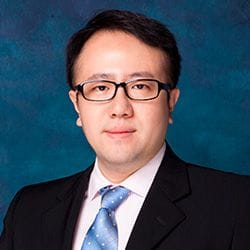
What is your research focus? What initially attracted you to your field?
I am interested in developing novel bio-therapeutics using protein chemistry and engineering. Since both of my parents are scientists in chemistry, I was raised in a scientific environment.
What do you hope to bring to your journal?
I hope to bring more bio and med related content to ACS Omega.
What are the major challenges facing your field today?
How can we translate protein chemistry into novel bio-therapeutics.
What do you think is the most interesting and/or important unsolved problem in your field?
Can we beat nature at its own game using proteins with unnatural amino acids? Can it really provide new evolutionary advantages? With AI as a new tool, I am sure this day is coming soon.
Do you have a recent paper in an ACS journal that you'd like to highlight?
This is one of our very recent papers on improving the bioorthogonal chemistry for in vivo applications:
Computation-Guided Discovery of Diazole Monosubstituted Tetrazines as Optimal Bioorthogonal Tools
Yuxuan Li, Yeyu Su, Haoyu Wang, Yuanzhe Xie, Xin Wang, Liying Chang, Yanbo Jing, Jiayi Zhang, Jun-An Ma, Hongwei Jin, Xiaoding Lou*, Qian Peng*, and Tao Liu*
DOI: 10.1021/jacs.4c07958
I also want to highlight another review written by my lab for people to better understand my field:
Genetic Code Expansion: Recent Developments and Emerging Applications
Yujia Huang, Pan Zhang, Haoyu Wang, Yan Chen, Tao Liu*, and Xiaozhou Luo*
DOI: 10.1021/acs.chemrev.4c00216
Carme Rovira, Associate Editor
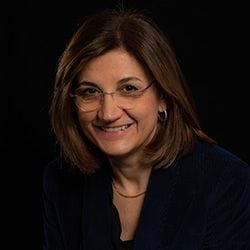
What is your research focus? What initially attracted you to your field?
Computational chemistry and biochemistry.
What do you hope to bring to your journal?
I hope to bring strong technical rigor that helps ensure manuscripts are methodologically sound, clearly presented, and genuinely insightful. I also would like to ensure that figures and graphics communicate results transparently. My goal is to help highlight work that combines solid methodology with real chemical insight and broad interest.
What are the major challenges facing your field today?
Description of processes in large biomacromolecules that occur at long time scales at atomic resolution with chemical accuracy.
What do you think is the most interesting and/or important unsolved problem in your field?
In glycoscience, one of the challenges is predicting and controlling carbohydrate recognition and reactivity—i.e., how subtle changes in glycan conformation and composition dictate specificity across glycosyltransferases, glycosidases and other carbohydrate-active enzymes (CAZymes). We still cannot reliably “read” sequence/structure and predict donor–acceptor selectivity, stereochemical outcome, or processivity across diverse CAZymes. A predictive framework would have enormous impact on glycoengineering, therapeutics, and biotechnology.
Do you have a recent paper in an ACS journal that you'd like to highlight?
Mechanism of Bacterial Arginine N-Glycosylation: A Chemically Challenging Post-Translational Modification
Beatriz Piniello, Ana García-García, Fabio Pietrucci, Ramón Hurtado-Guerrero*, and Carme Rovira*
DOI: 10.1021/acscatal.5c07775
ACS Sensors
Niko Hildebrandt, Associate Editor
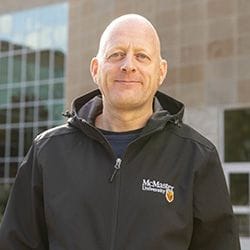
What is your research focus? What initially attracted you to your field?
My research focuses on FRET (Förster resonance energy transfer) for biosensing and bioimaging using various nanoscale and molecular luminescent materials. I was attracted to this field already during my PhD, when we developed time-resolved FRET immunoassays for rapid clinical diagnostics.
What do you hope to bring to your journal?
ACS Sensors receives many submissions related to luminescence-based sensing, and I hope that my expertise in optical biosensing, photoluminescence, molecular diagnostics, and nanoscience will help to get the best sensing papers selected and published in our journal.
What are the major challenges facing your field today?
That is always a tough question, especially in such an interdisciplinary field as biosensing. I think that one major challenge is the translation of biosensors into useful real-life applications. If done correctly and appropriately, such translation requires a lot of research, careful material and method characterization, detailed sensor performance analysis, validation under challenging conditions, and finally the application to actual real-life samples and a one-to-one comparison to existing and established methods. In addition, all steps require critical discussion and knowledge of the state-of-the-art to make sure that the sensor will really be useful. The approach of trying to do everything at once unfortunately leads to a lot of superficial research, whereas we need depth, details, and critical discussion for developing useful sensing technologies and innovations.
What do you think is the most interesting and/or important unsolved problem in your field?
There are so many important unsolved problems. That is the very reason why research is so incredibly interesting. I work a lot in multiplexed biosensing and if someone could come up with a solution that makes multiplexing, sensitivity, specificity, simplicity, and rapidness more compatible, such that we can reliably quantify many biomarkers at very low concentrations simultaneously from one sample within a few minutes, that would be great. But I guess the Theranos scandal has taught everyone that this problem will probably remain unsolved for some more time.
Do you have a recent paper in an ACS journal that you'd like to highlight?
I am very happy that we published our review about FRET materials for biosensing and bioimaging last year in Chemical Reviews. Working on this review (for several years) has taught me how broad the field really is and though we touched only a small part of it, the paper still has 123 pages…
FRET Materials for Biosensing and Bioimaging
Ruifang Su, Laura Francés-Soriano, P. Iyanu Diriwari, Muhammad Munir, Lucie Haye, Thomas J. Sørensen, Sebastián A. Díaz*, Igor L. Medintz, and Niko Hildebrandt*
DOI: 10.1021/acs.chemrev.5c00386
Industrial & Engineering Chemistry Research
Elizabeth Endler, Topic Editor
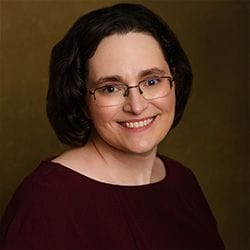
What is your research focus? What initially attracted you to your field?
My current research interests focus on integrated energy networks, system flexibility and sector coupling for energy carriers; design, optimization, operation and control of energy resources and manufacturing processes; and novel energy storage systems and devices.
As a chemical engineer, I’ve always been interested in the interplay between processes & products, and components & systems. For example,
- how phenomena at the materials, device, and unit-operation levels aggregate into process, plant, and grid behaviors,
- how processing conditions influence product and formulation performance, and
- how we can design and deploy practical, impactful solutions that are robust across those dimensions.
What do you hope to bring to your journal?
As Topic Editor for New Energy Systems, I hope to bring a fresh perspective on emerging forms of energy technologies in the process industries and provide a home for interdisciplinary work that resonates across researchers in academia and industry.
What are the major challenges facing your field today?
One of the exciting, yet challenging, things in my research area is the sheer amount of R&D happening across different scales in parallel for new processes. Emerging technologies and tools are enabling researchers to tackle problems in ways that were not previously possible. Rapid learning and digitalization are critical to incorporate and build on results, so that scalable solutions can be developed and deployed effectively and in a timely manner.
What do you think is the most interesting and/or important unsolved problem in your field?
Exploring how processes can be designed and operated to leverage multiple feedstock and energy options for secure, safe, reliable, and cost-effective production of fuels and materials will be key to optimizing across increasingly interconnected systems with multiple, sometimes competing, objectives.
Do you have a recent paper in an ACS journal that you'd like to highlight?
Transforming the Process Industries through Electrification: Challenges and Opportunities
Michael Baldea, Elizabeth E. Endler, Elaine Hale, Christos T. Maravelias, Massimiliano Barolo, Iiro Harjunkoski, Mehmet Mercangoz, Sirish L. Shah, Masoud Soroush, Brent R. Young, and Qi Zhang
DOI: 10.1021/acs.iecr.5c01256
Inorganic Chemistry
Marek Sierka, Associate Editor
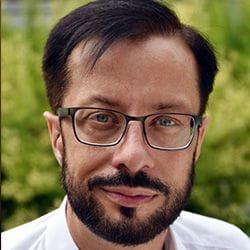
What is your research focus? What initially attracted you to your field?
My research focuses on computational inorganic and materials chemistry, using electronic-structure methods (primarily DFT and beyond) to understand and predict structure-property relationships in complex systems, including surfaces and interfaces as well as disordered and amorphous materials. I was drawn to the field because it links fundamental quantum chemistry with real materials problems: it lets us explain why materials behave as they do and, increasingly, use theory to guide the design of improved materials.
What do you hope to bring to your journal?
I hope to strengthen the journal’s coverage at the interface of inorganic chemistry, theory, and modern data-driven approaches by promoting rigorous mechanistic insight, clear validation, and reproducible computational practice. As an editor, I aim to provide fair, constructive handling and to help authors communicate why their results matter to the broader inorganic community.
What are the major challenges facing your field today?
A central challenge is achieving predictive accuracy for real inorganic materials, where disorder, defects, finite temperature, and complex environments are often decisive but hard to treat at scale. Methodologically, the field still needs more reliable, broadly applicable treatments of strong correlation and excited-state phenomena in extended systems, alongside transparent uncertainty estimates for both quantum-chemical and machine-learning predictions.
What do you think is the most interesting and/or important unsolved problem in your field?
The most important unsolved problem is true inverse design of complex inorganic materials: starting from a target function (stability, catalytic performance, ion transport, optical response) and reliably identifying synthesizable structures and compositions, including disordered and amorphous phases. Solving this requires bridging quantum accuracy with realistic models and scalable workflows, while keeping the conclusions interpretable enough to guide experiment.
Do you have a recent paper in an ACS journal that you'd like to highlight?
Our review/article on density functional theory methods for molecular and periodic systems in TURBOMOLE, which summarizes theory, implementation details, and representative applications across surfaces, nanostructures, and adsorption processes:
Density Functional Theory for Molecular and Periodic Systems in TURBOMOLE: Theory, Implementation, and Applications
Manas Sharma, Yannick J. Franzke, Christof Holzer, Fabian Pauly, and Marek Sierka*
DOI: 10.1021/acs.jpca.5c02937
Anything else you'd like readers to know about you?
I enjoy working at the boundary between method development and applications, especially when theory can directly sharpen experimental interpretation or accelerate materials discovery. I am also a strong supporter of transparent reporting and computational reproducibility, because the community benefits most when results can be checked, extended, and reused.
Cheng Wang, Associate Editor
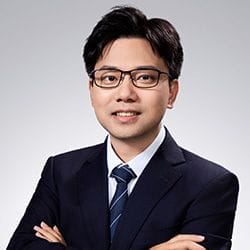
What is your research focus? What initially attracted you to your field?
My research lies at the interface of chemistry, artificial intelligence, and automation, with a current focus on AI-driven electrochemistry and data-enabled catalyst discovery. I was initially drawn to inorganic and materials chemistry through metal–organic frameworks, where the ability to define and manipulate structures at the molecular and atomic levels offered a powerful platform for understanding catalytic mechanisms. This foundation naturally led me to explore how AI methods can further accelerate discovery and deepen chemical insight.
What do you hope to bring to your journal?
I hope to bring an interdisciplinary perspective that bridges traditional inorganic chemistry with emerging AI-based methodologies. In particular, I aim to support work that combines rigorous chemical understanding with modern data science, ensuring that advances in machine learning, automation, and electrochemistry remain grounded in sound chemistry and clear mechanistic interpretation.
What are the major challenges facing your field today?
A key challenge is integrating AI tools into chemical research in a way that genuinely advances understanding rather than merely optimizing performance metrics. For electrochemistry and synthetic chemistry, this includes addressing data quality, standardization, and interpretability, as well as connecting model predictions to physically meaningful descriptors and experimentally verifiable mechanisms. The rise of large language models provides a huge opportunity to the field to bring chemical knowledge to data-driven approaches. I expect to observe a huge progress of the field in 2026.
What do you think is the most interesting and/or important unsolved problem in your field?
One of the most compelling unsolved problems is how to integrate chemical data from fundamentally different sources—spanning experiments, theory, simulations, and literature—across heterogeneous formats and contextual backgrounds. Achieving meaningful unification of such data, while preserving chemical context and physical interpretability, could enable a level of scientific intelligence and discovery capability that has not been realistically accessible before.
Do you have a recent paper in an ACS journal that you'd like to highlight?
I would highlight our recent Journal of the American Chemical Society work on natural-language-interfaced robotic synthesis for AI-copilot-assisted exploration of inorganic materials, not only as a specific study but as an illustration of a broader direction. The work reflects how AI, automation, and chemical reasoning can be integrated into a unified research workflow, pointing toward future chemical laboratories where hypothesis generation, experimentation, and data interpretation are increasingly connected through intelligent systems.
Natural-Language-Interfaced Robotic Synthesis for AI-Copilot-Assisted Exploration of Inorganic Materials
Lin Huang, Chao Zhang, Yun Fu, Yibin Jiang*, Enyu He, Ming-Qiang Qi, Ming-Hao Du, Xiang-Jian Kong, Jun Cheng*, Leroy Cronin*, and Cheng Wang*
DOI: 10.1021/jacs.5c05916
Anything else you'd like readers to know about you?
Beyond research, I am actively involved in developing new models for education and collaboration in the AI era, particularly in training chemists to work fluently across experiment, theory, and data science. I see the integration of AI into chemistry not as a replacement for chemical intuition, but as a powerful extension of it.
JACS Au
Angshuman Nag, Associate Editor
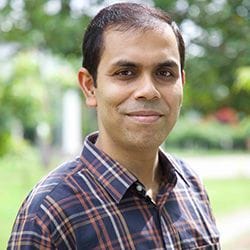
What is your research focus? What initially attracted you to your field?
My research interest is at the interface of chemistry, materials science, and semiconductor optoelectronics. The focus is to understand how chemical composition, lattice structure, and nanoscale dimensionality govern charge transport, excitonic processes, and spin-dependent phenomena. Our current research topics include: (i) doping metal halide perovskites for short-wave-infrared (SWIR) LEDs, (ii) molecular design of hybrid 2D layered perovskites, and (iii) colloidal quantum dots.
It is fascinating to realize that chemists are in a unique position to rationally design different chemical compositions and tailor their structure-property correlation to address challenges related to energy materials, quantum materials, spin-based optoelectronics, photonic materials and beyond. The scope is limitless.
What do you hope to bring to your journal?
I hope to further establish JACS Au as the premier journal for publishing cutting-edge research across diverse areas of materials chemistry. The journal’s broad readership is deeply interested in the fundamental chemistry principles that connect bonding, structure, and molecular design to emergent physical phenomena and their applications.
What are the major challenges facing your field today?
The design of novel materials and their applications is advancing rapidly. But the materials and the methods employed are often not sustainable. The community needs to address this challenge more aggressively by developing recyclable, environmentally benign, and biodegradable functional materials and methods.
What do you think is the most interesting and/or important unsolved problem in your field?
In the early days of semiconductor research, the physicists and engineers dominated the field. During the decade spanning 1981–1990, chemists made major breakthroughs with new classes of semiconductors like colloidal quantum dots, organic electronics, sensitized solar cells, and hybrid metal halide perovskites. I am hoping for a similar breakthrough in the coming 5-10 years, where chemists will design, synthesis, and fabricate novel quantum materials and their devices, employing simple methodologies.
Do you have a recent paper in an ACS journal that you'd like to highlight?
One of our recent paper showed the exciton storage mechanism in RoHS-compliant Ag–In–Ga–S nanocrystals, contrasting sharply with the conventional excitonic behavior observed in CdSe nanocrystals.
Defect-Mediated Exciton Storage in Ag–In–Ga–S Nanocrystals
Manmayuri Sarma, Barnali Mondal, Yashvini Teotia, K. V. Adarsh*, and Angshuman Nag*
DOI: 10.1021/acsenergylett.5c01727
Journal of Agricultural and Food Chemistry
Tian Liu, Associate Editor
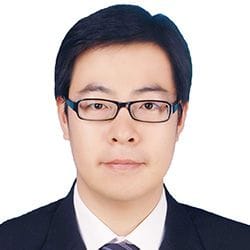
What is your research focus? What initially attracted you to your field?
The discovery of insecticide targets related to insect cuticles and the design of biomimetic materials. What attracts me is my love for entomology and my passion for interdisciplinary research.
What do you hope to bring to your journal?
I will leverage my expertise in agricultural chemistry to ensure a rigorous and insightful peer-review process, thereby attracting high-quality submissions that push the boundaries of agricultural chemistry.
What are the major challenges facing your field today?
Protein-level research—encompassing structure-function relationships and target-ligand interactions—remains underrepresented in entomology and pesticide science. By bridging the gap between omics and genetics, these studies are essential for driving both basic scientific discovery and practical applications.
What do you think is the most interesting and/or important unsolved problem in your field?
By what mechanisms do insects assemble cuticles with multi-level hierarchical structures and varied mechanical profiles from simple organic raw materials under mild physiological conditions?
Do you have a recent paper in an ACS journal that you'd like to highlight?
Structural Mechanism of Insect Cuticular Protein Binding to Chitin Revealed by Solid-State NMR
Shuaifei Hu, Juan Li, Fenghou Yuan, Jin Zhang, Xinyue Cheng, Shengqi Xiang, Changlin Tian, Weimin Gong, Tian Liu*, and Chaowei Shi*
DOI: 10.1021/jacs.5c05099
A Core Structural Protein That Builds the Locust Mandible with a Mechanical Gradient
Huitang Qi, Yi Ding, Yingda Teng, Xiangyu Liang, Lei Chen, Jianli Ma, Qing Yang*, and Tian Liu*
DOI: 10.1021/acsnano.3c08715
Wim Van den Ende, Associate Editor
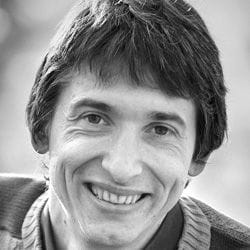
What is your research focus? What initially attracted you to your field?
I focus on sugars and sugar metabolism in plants and microorganisms. Initially, I became fascinated by the remobilization of inulin‑type fructans from chicory roots during the production process of Belgian endives.
What do you hope to bring to your journal?
Sugars occupy a central position in many submissions within the scope of the Journal of Agricultural and Food Chemistry (JAFC). My expertise and broad scientific interests will be an asset in contributing to high‑quality and standardized review processes in collaboration with the entire JAFC team.
What are the major challenges facing your field today?
Sugars, sugar‑metabolizing enzymes, and sugar signaling play central roles in processes that enable future crops to cope with climate change and emerging diseases. Gaining a deeper understanding of these mechanisms will support the development of superior crop varieties that can better withstand climate-related stresses and associated plant pathogens.
What do you think is the most interesting and/or important unsolved problem in your field?
A deep understanding of sugar signaling, sugars acting as prebiotics, and the identification of novel sugar sensors during plant–microbe interactions is essential for advancing our knowledge of plant resilience and health.
Do you have a recent paper in an ACS journal that you'd like to highlight?
Sweet Immunity in Action: Unlocking Stem Reserves to Improve Yield and Quality. A Potential Key Role for Jasmonic Acid
Laura Leaerts and Wim Van den Ende*
DOI: 10.1021/acs.jafc.4c03874
Anything else you'd like readers to know about you?
Just associate my name with “The Sugar Man.” Sugar doesn’t just dominate my research—it also dominates my snacks. I’m completely addicted, especially when it comes to fruit yoghurt and ice cream 😄
Journal of Chemical & Engineering Data
Jayant Singh, Associate Editor
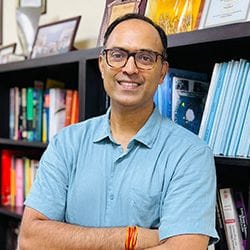
What is your research focus? What initially attracted you to your field?
My research focuses on integrating molecular simulations with data science to recreate real-world experiments in the digital domain at the molecular scale. This approach enables a deeper understanding of thermophysical properties and helps accelerate the discovery and design of molecules and materials for applications such as CO₂ capture, electrolyte membranes, and antifreeze agents. My early fascination with computational experimentation—particularly coding and the principles of statistical mechanics—sparked my interest in this field and continues to drive my research
What do you hope to bring to your journal?
I hope to contribute to strengthening the journal’s presence in the area of molecular simulation–driven prediction of phase behavior and thermophysical properties, while supporting rigorous and impactful research in this domain.
What are the major challenges facing your field today?
One of the major challenges in this field is bridging the gap between molecular-scale simulations and experimentally relevant time and length scales. While advances in computational power and algorithms have significantly improved our ability to model complex systems, translating these insights into reliable predictions of phase behavior and thermophysical properties for real materials remains challenging. Another important challenge is the effective integration of molecular simulations with data science and machine learning to accelerate materials discovery while maintaining physical interpretability and reliability.
What do you think is the most interesting and/or important unsolved problem in your field?
One of the most important unsolved challenges in this field is the ability to reliably design molecules and materials with targeted thermophysical and transport properties directly from molecular-level principles.
Journal of Medicinal Chemistry
Tudor Oprea, Associate Editor
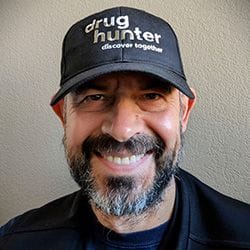
What is your research focus? What initially attracted you to your field?
A journey that began with a shoebox in 1989 in Timișoara, Romania, took me to the frontiers of artificial intelligence for drug discovery. My interest in scientific research was motivated by the desire to understand how drugs work at the molecular level and the defiance of my youth in Romania. On my first international scientific trip, I traveled by train from Timișoara to Helsinki, via Lviv and Leningrad (St. Petersburg). Without the required approval from Romania’s chief scientist (Elena Ceaușescu), I had to smuggle a scientific poster out of the country hidden inside a shoebox. A meeting with two American PhDs in Helsinki that year changed everything: our ideas were good, but our methods were outdated. I realized then that, to become a true innovator, I needed to speak the languages of chemistry, medicine, and data science all at once.
My current focus is on the intersection of artificial intelligence (AI), machine learning (ML), and knowledge management to study the three pillars of drug discovery: diseases, targets, and therapeutics. My work is focused on articulating data by building predictive models for bioactive molecules and novel target-disease associations. Whether developing large language model (LLM) drug discovery assistants or high-performance ML platforms, my goal is to turn "clusters of information" that seem unrelated into actionable medical insights
What do you hope to bring to your journal?
I bring a broad understanding of pre- and clinical data integration and a dedication to production-level machine learning and AI. My experience in industry (AstraZeneca, Roivant, Expert Systems) and academia (United States, Italy, Denmark, Sweden, Romania) allows me to bridge the gap between computer simulations and clinical practice. I aim to help the Journal of Medicinal Chemistry explore emerging technologies that are set to make a significant impact, ensuring that the AIML research we publish is not only innovative but rigorously validated and "machine-learning ready." I hope to strengthen the medicinal chemists' "AI Corner."
What are the major challenges facing your field today?
The most lucrative business model in the pharmaceutical industry is the "me-too" approach, which rewards companies that make incremental improvements on similar products instead of exploring novel drug targets and scaffolds. Currently, about 10% of the human proteome is targeted by drugs (3%) or small molecules (7%). Moreover, we face a "deluge of information" from preprints to paper mills and twitter claims, often lacking scientific rigor. We need to be more vigilant in weeding out "fake science" and using AI-supported systems to improve the peer-review process. Although drug discovery is slow, integrating "true data" and AIML technologies can speed up the process.
What do you think is the most interesting and/or important unsolved problem in your field?
To me, the "dark genome" remains the undiscovered country. Out of 20,000 human proteins, only about 750 are currently used as drug targets, with over a quarter of the human proteome, more than 5,000 proteins, classified as understudied or "dark." Illuminating these proteins to find untapped therapeutic opportunities is the puzzle I am most passionate about solving. Closely linked to this is the challenge of rare diseases; we must move toward systematic platforms and pathways to treat the thousands of conditions that currently have no cure.
Do you have a recent paper in an ACS journal that you'd like to highlight?
Virtual and In Vitro Antiviral Screening Revive Therapeutic Drugs for COVID-19
Giovanni Bocci, Steven B. Bradfute, Chunyan Ye, Matthew J. Garcia, Jyothi Parvathareddy, Walter Reichard, Surekha Surendranathan, Shruti Bansal, Cristian G. Bologa, Douglas J. Perkins, Colleen B. Jonsson, Larry A. Sklar, and Tudor I. Oprea*
DOI: 10.1021/acsptsci.0c00131
This is a clear example of how we can use virtual screening to identify existing drugs, like the antimalarial amodiaquine, that show high activity against SARS-CoV-2. We didn't rush this to a preprint; we carried out multiple iterations and verified our results through independent labs, with separately sourced chemicals, to ensure our findings are reproducible.
Anything else you'd like readers to know about you?
People often ask how I can spot patterns in data that others miss. I have a straightforward explanation: I’ve put in my 10,000 hours. Following the logic of Malcolm Gladwell’s Outliers, if you spend that much time on a problem, as I have with informatics and data science since 1989, you develop an almost instinctive ability to see hidden connections.
I also want to say that if you cannot explain your work to a 5-year-old, you probably need to understand it better. Case in point: Several of my success stories involve virtual screening. To me, virtual screening is like trying to fit the right car into a specific garage. If the garage is an airplane hangar, the car is too small; if it's a toy house, the car won't fit at all. Virtual screening helps match the right set of molecules ("cars") with the right therapeutic target ("garage"), which can lower the costs of drug discovery.
Journal of Natural Products
Shinichi Nishimura, Topic Editor
What is your research focus? What initially attracted you to your field?
As an undergraduate, I became fascinated by the unusual chemical structures of marine natural products. Over time, that fascination evolved into a deeper curiosity about the biological activities of structurally unique natural products.
What do you hope to bring to your journal?
As a topic editor, I would like to support JNP by highlighting research that uncovers novel biological activities of natural products. Such discoveries not only advance fundamental scientific understanding but also lay the groundwork for future drug development. I am confident that JNP will continue to reach an even broader scientific community and increase its impact in the years ahead.
What are the major challenges facing your field today?
A major challenge in the field is not only discovering new natural products but also assigning biological functions to both new and known molecules. Addressing this challenge requires innovative technologies for both experimental and computational investigations—along with passion and a bit of serendipity.
What do you think is the most interesting and/or important unsolved problem in your field?
One of the most intriguing unresolved issues is understanding the ecological roles of natural products in their native environments. Even for well-known compounds, their physiological functions in nature often remain unclear. Uncovering these roles represents an exciting opportunity to solve fundamental mysteries of nature.
Do you have a recent paper in an ACS journal that you'd like to highlight?
Differential Biosynthesis and Roles of Two Ferrichrome-Type Siderophores, ASP2397/AS2488053 and Ferricrocin, in Acremonium persicinum
Yoshiki Asai, Tomoshige Hiratsuka, Miyu Ueda, Yumi Kawamura, Shumpei Asamizu, Hiroyasu Onaka, Manabu Arioka, Shinichi Nishimura*, and Minoru Yoshida*
DOI: 10.1021/acschembio.1c00867
Langmuir
Dong Wang, Senior Editor
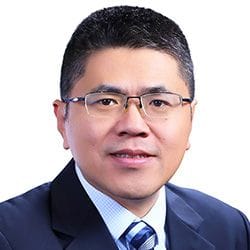
What is your research focus? What initially attracted you to your field?
My research focuses on surface and interface physical chemistry, with the goal of exploring reaction mechanisms at the atomic level and applying this understanding to guide the design of functional interfaces. We employ high-resolution imaging techniques, particularly scanning probe microscopy, to directly visualize and probe surface structures and electronic states with atomic precision. Surfaces and interfaces lie at the core of important application fields ranging from catalysis to energy conversion. Developing a microscopic understanding of these complex interfaces has long been the central driving forces of our research group.
What do you hope to bring to your journal?
Langmuir has long been a leading forum for interfacial chemistry. As a Senior Editor, I seek to highlight research that rigorously connects advanced characterization with theoretical insight to reveal atomic-scale mechanisms, explicitly linking fundamental understanding to functional materials design.
What are the major challenges facing your field today?
Interfaces are inherently dynamic and delicate. Operando characterization of the interface process is critical but challenging due to the fundamental trade-off between extreme spatial-temporal resolution and realistic reaction environments. Such characterization demands the capability to probe dynamic interfacial atomic and electronic structures under real working conditions without perturbing the intrinsic processes, while enabling multi-signal integration to establish a comprehensive mechanistic understanding.
What do you think is the most interesting and/or important unsolved problem in your field?
Solid–solid interfaces are ubiquitous in functional systems, governing critical processes ranging from charge transport in all-solid-state batteries to mechanical degradation in structural composites. Yet their direct characterization and fundamental understanding remain exceptionally challenging, because these interfaces are inherently buried and inaccessible to most conventional structural and chemical probes. Developing non-invasive, interface-sensitive approaches to resolve their atomic-scale structure, chemical composition, and local environment represents a critical need in the field.
Do you have a recent paper in an ACS journal that you'd like to highlight?
N-Heterocyclic Carbene-Derived 1,3,5-Trimethylenebenzene: On-Surface Synthesis and Electronic Structure
Jun-Jie Duan, Xue-Qing Yang, Ruoning Li, Xin Li, Ting Chen*, and Dong Wang*
DOI: 10.1021/jacs.3c14298
Yilin Wang, Executive Editor
What is your research focus? What initially attracted you to your field?
My research focuses on the development of novel surfactant molecules and surfactant self-assembly, interactions and phase behaviors of surfactants with polymers and biomacromolecules, droplet spreading on solid surface controlled by surfactants, and their applications in agriculture, personal care production, enhanced oil recovery and industrial cleaning.
What do you hope to bring to your journal?
I hope to provide professional and efficient service for our authors and reviewers, and also hope to maintain the high scientific standards of Langmuir by publishing reports on emerging research areas and innovative advancements related to interface science.
What are the major challenges facing your field today?
Surfactants self-assemble into different aggregate structures in solution and ordered molecular packing at interfaces, thus they display widespread applications in detergents, cosmetics, coating, food, pharmaceuticals, biological techniques, environmental protection, etc. However, how to establish more efficient, environment-friendly and new functional surfactant systems desired in practical applications is still a major challenge.
What do you think is the most interesting and/or important unsolved problem in your field?
The following two unsolved problems are very important in surfactant field, the relationship between dynamic self-assembly and static equilibrium of surfactants, and quantitatively strategies to understand and control the diffusion of surfactants among bulk phase and air/liquid/solid interfaces.
Do you have a recent paper in an ACS journal that you'd like to highlight?
Component Effects on Agricultural Spray
Tengda Wang and Yilin Wang*
DOI: 10.1021/acs.langmuir.5c00278
Deposition and Spread of Aqueous Pesticide Droplets on Hydrophobic/Superhydrophobic Surfaces by Fast Aggregation of Surfactants
Yaxun Fan and Yilin Wang*
DOI: 10.1021/acs.langmuir.3c00282
Xiaoji Xu, Senior Editor
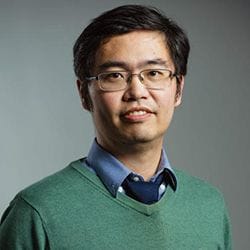
What is your research focus? What initially attracted you to your field?
My research focus is to develop and apply new types of scanning probe microscopy, especially atomic force microscope based nanoscale infrared spectroscopy and imaging. I was attracted to my research field because of its potential applications and utilities in chemical and material research. My research field provides me with opportunities to invent new methods and build new instruments.
What do you hope to bring to your journal?
I hope to better serve the scanning probe microscopy community and bring more of their works to Langmuir, as well as update the interface chemistry community with the latest high spatial resolution measurement techniques.
What are the major challenges facing your field today?
Besides the common challenges faced by all researchers, one major challenge in my research area of nanoscale infrared microscopy is how to further improve spatial resolution, chemical sensitivity, while maintaining the robustness and accessibility of the instruments.
What do you think is the most interesting and/or important unsolved problem in your field?
One scientific question that strongly interests me and is difficult to solve is how to experimentally study the solid-solid interface at the nanometer scale. The structural composition transition, mode interactions, and energy transfer across non-crystalline solid-solid interface remain a largely unexplored territory for experimental physical chemists.
Do you have a recent paper in an ACS journal that you'd like to highlight?
I would like to highlight one of my papers in Langmuir. In this paper, we demystified several AFM-IR methods and introduced them to new readers.
What Do Different Modes of AFM-IR Mean for Measuring Soft Matter Surfaces?
Qing Xie and Xiaoji G. Xu*
DOI: 10.1021/acs.langmuir.3c02950
Organic Letters
Michael Willis, Associate Editor
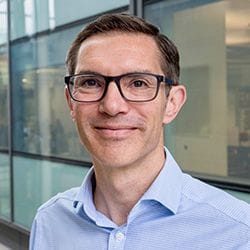
What is your research focus? What initially attracted you to your field?
We are interested in organosulfur chemistry, new reaction development, catalysis, coupling chemistry and enantioselective desymmetriyation.
What do you hope to bring to your journal?
Expert knowledge of organosulfur chemistry, catalysis, and synthetic methods in general.
What are the major challenges facing your field today?
Achieving efficiency and selectivity in a sustainable way.
Do you have a recent paper in an ACS journal that you'd like to highlight?
Our recent publication highlighted the utility of sulfinylamine reagents for the synthesis of S(IV) and S(VI) functional groups, and the conceptual simplicity of the overall transformation.
Palladium-Catalyzed Addition of Aryl Halides to N-Sulfinylamines for the Synthesis of Sulfinamides
Ming-Kai Wei, Daniel F. Moseley, Robin M. Bär, Yeshua Sempere, and Michael C. Willis*
DOI: 10.1021/jacs.4c06726
Organometallics
Makoto Yamashita, Topic Editor
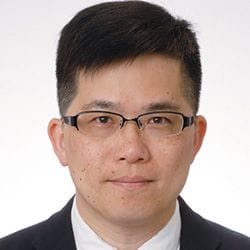
What is your research focus? What initially attracted you to your field?
Main group chemistry, organometallic chemistry, homogeneous catalysts. Currently, I am working on the synthesis of main group element-incorporated molecules featuring new chemical bonds, new reactivity, and catalysis.
What do you hope to bring to your journal?
A continuous, smooth, rapid, and fair handling of all assigned manuscripts.
What are the major challenges facing your field today?
Exploring new chemical bonds, reactivity, and catalysts based on Earth-abundant main group elements.
What do you think is the most interesting and/or important unsolved problem in your field?
In molecular chemistry, the manipulation of electron spins would be a key to constructing future quantum technologies. Therefore, molecular design for quantum computer would be very interesting.