
Learn about the 2026 winners of ACS Publications' Biological and Medicinal Chemistry lectureships and awards.

Each year, ACS journals recognize exceptional scientists whose research is reshaping their fields and expanding the frontiers of discovery in biological and medicinal chemistry.
This year’s recipients not only exemplify excellence, they also took time to reflect on the impact of their work and the future of their disciplines.
Below, you’ll find each award category alongside the accomplished individuals whose contributions are shaping the future of their fields. Together, their reflections offer a vivid look at the curiosity, rigor, and innovation fueling the next generation of scientific breakthroughs.
Browse by Award or Winner:
ACS Infectious Diseases Early Career Award
- Winner: Dr. Laura M. K. Dassama
- Winner: Dr. Daniel L. Hurdiss
- Winner: Dr. Patrick T. Dolan
Philip S. Portoghese Early Career Award for the Advancement of Medicinal Chemistry
- Winner: Dr. Alison Axtman
- Winner: Dr. Fleur Ferguson
ACS Chemical Biology Early Career Award
- Winner: Dr. Christopher Parker
Bioconjugate Chemistry Early Career Award
- Winner: Dr. Xinyuan Fan
ACS Synthetic Biology Early Career Innovator Award
- Winner: Dr. Xiaojing Gao
ACS Infectious Diseases Early Career Award
The ACS Infectious Diseases Young Investigator Award recognizes three outstanding early-career investigators conducting infectious diseases research. The award honors the recipients’ contributions to the field of infectious diseases research at an early stage in their careers.
Sponsored by ACS Infectious Diseases and the ACS Division of Biochemistry and Chemical Biology, these awards recognize three outstanding early-career investigators in the field of infectious diseases.
Winner: Dr. Laura M. K. Dassama, Stanford University (USA)
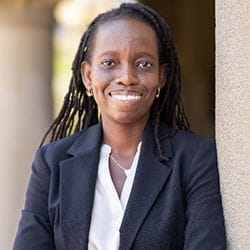
Dr. Dassama is an Assistant Professor of Chemistry and of Microbiology & Immunology at Stanford, and an Institute Scholar at Sarafan ChEM‑H. Her research centers on disabling pathogenic bacteria using chemistry, biophysics, and data science.
She holds a BS from Temple University and a PhD from Penn State, followed by postdoctoral work at Northwestern and a visiting scientist role at Boston Children’s Hospital. Since starting her lab at Stanford in 2018, her group has identified new protein targets involved in pathogen lipid acquisition.
What does this award mean to you?
I am incredibly honored to receive this award. I attribute the recognition to the creativity and hard work of my mentees who have bought into my vision that the problem of antimicrobial resistance is one that requires our biggest investments and brightest ideas.
How is your research making a difference in the field?
My research aims to uncover vulnerabilities in human pathogens that we can leverage for the discovery or design of narrow spectrum anti-infectives. At a minimum, I hope our work is highlights the gap in knowledge between our understanding of model pathogens and the emerging, poorly characterized organisms that wreak havoc on healthcare systems. One recent effort has focused on the pathogens responsible for Lyme Disease and Syphilis, and it is quite surprising that despite infecting millions each year, our understanding of the metabolism that supports pathogenesis of these organisms remains limited.
What excites you most about the future of your research area?
I am excited about how artificial intelligence, especially machine learning, has been used to accelerate the design and discovery of new antibiotics. I remain optimistic that similar methods will be integrated with multi-omics approaches to also expedite the discovery of new antibiotic targets, especially in non-model pathogens.
Winner: Dr. Daniel L. Hurdiss, Utrecht University (Netherlands)
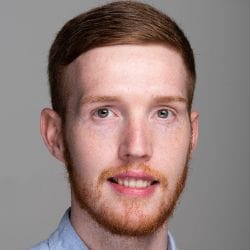
Dr. Hurdiss is an Assistant Professor of Biomolecular Health Sciences at Utrecht University. Trained in structural biology during his Wellcome Trust–funded PhD at Leeds, he used cryo‑EM to study non‑enveloped viruses, earning the Kendrew Prize and VC Jordan/PR Radford Thesis Prize. He later received Marie Skłodowska‑Curie and EMBO fellowships to investigate picornaviral AAA+ ATPases.
Since 2021, he has led an independent group focused on positive‑strand RNA virus entry, replication, and assembly, contributing to antiviral target discovery. He played a key role in IMI CARE’s SARS‑CoV‑2 structural biology efforts and advanced coronavirus spike research. His work has been recognized with the Beijerinck Premium, Van Leeuwenhoek Award, Kluyver Award, and selection as a 2025 EMBO Young Investigator.
What does this award mean to you?
This award is an important recognition of my work and the efforts of my team, collaborators, and mentors. It is especially encouraging at this stage of my career and reinforces my commitment to advancing virology research. I’m honoured to be included among such an outstanding group of scientists, including former recipients whose work I greatly admire.
How is your research making a difference in the field?
My research uncovers fundamental mechanisms of viral replication and leverages these insights to develop new antiviral strategies. Our work has identified a glycan-mediated mechanism that triggers opening of human coronavirus spike proteins and revealed new principles of norovirus replication, while also contributing to antiviral development. Ultimately, I’m motivated by discoveries that impact both education and patient care.
What excites you most about the future of your research area?
I’m particularly excited by the integration of new technologies that allow us to study viruses in increasingly native contexts. As a structural virologist, the shift from purified molecules to visualizing viral replication directly within cells using in situ cryo-electron tomography is especially transformative. Combined with advances in structure prediction tools like AlphaFold, these approaches are dramatically improving our ability to interpret complex structural data and uncover new biology.
Winner: Dr. Patrick T. Dolan, National Institutes of Health (USA)
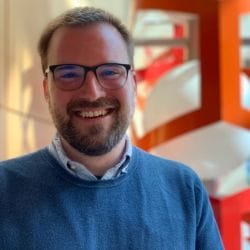
Dr. Dolan is an experimental virologist and computational biologist whose work focuses primarily on the evolution and host-virus interactions of positive-sense RNA viruses.
He earned his B.S. degree in Microbiology and Molecular Genetics from Michigan State University, where he worked in the laboratory of Professor Yong-Hui Zheng on the antiviral function of APOBEC3 cytidine deaminases in HIV-1. He earned his Ph.D. in Biological Sciences in 2014 from Purdue University, where he studied the form and function of the hepatitis C virus-host protein interaction network under the supervision of Professor Douglas J. LaCount and co-advisor Professor Michael Gribskov. He then pursued postdoctoral studies at Stanford University and University of California, San Francisco, in the laboratories of Professors Raul Andino and Judith Frydman where he developed methods to understand the evolutionary dynamics of enteroviruses and flaviviruses in alternative host environments.
In 2021, Dr. Dolan began as Earl Stadtman Investigator and Unit Chief of the Quantitative Virology and Evolution Unit at the National Institutes of Allergy and Infectious Disease Division of Intramural Research at the National Institutes of Health in Bethesda, MD, where his group studies the biological and biophysical forces that shape the long- and short-term evolution of RNA virus populations.
What does this award mean to you?
It is an honor to receive the ACS ID Early Career Award in recognition of the work my group has done over the last few years. It is a validation that our work is valuable and important to the field of infectious disease and evolutionary virology.
How is your research making a difference in the field?
Our work uses sequencing approaches to explore the diversity of viral populations and the biological and biophysical forces that shape their evolution. In our recent work, we have pushed the boundaries of how these technologies are used, describing viral population structure in new detail, and expanding our studies of mutational selection to explore how selective pressures change across chemical and biological environments. We hope that these advances will advance our understanding of evolutionary dynamics and have real translational impacts in the field of evolutionary medicine.
What excites you most about the future of your research area?
Emerging computational and experimental technologies are accelerating the field exponentially. Protein language models, molecular dynamics, and computational structural prediction are allowing us to understand the impacts of mutation more thoroughly, and new molecular biology and sequencing tools allow us to ask new questions at the bench. Together, these advances will open whole new lines of inquiry in the coming years, and I’m excited to be able to ride that wave.
Philip S. Portoghese Early Career Award for the Advancement of Medicinal Chemistry
Sponsored by ACS Medicinal Chemistry Letters, the Journal of Medicinal Chemistry, and the ACS Division of Medicinal Chemistry, this award is named for Philip S. Portoghese, Editor-in-Chief of the Journal of Medicinal Chemistry from 1972 to 2011. Each year, this award honors the contributions of an individual who has had a major impact on medicinal chemistry research.
Winner: Dr. Alison Axtman, University of North Carolina at Chapel Hill (USA)
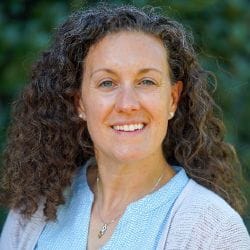
Dr. Axtman is an Assistant Professor and Maureen Daly Blouin Distinguished Fellow at the Eshelman School of Pharmacy at the University of North Carolina at Chapel Hill. She also serves as Principal Investigator of Medicinal Chemistry for UNC's Structural Genomics Consortium (SGC‑UNC). A highly experienced synthetic medical chemist, Dr. Axtman works at the interface of chemistry and biology and is dedicated to carrying out the basic research that will ultimately lead to new therapies for diverse diseases. Her research training has focused on the synthesis of small molecules that selectively modulate proteins implicated in disease-propagating pathways. To drive medicinal chemistry optimization, her lab has also developed small molecule tracers that enable cell-based assays.
She is a core scientist within SGC-UNC, an interdisciplinary team of researchers that designs and shares strategic compound sets and performs iterative medicinal chemistry to turn promising chemical starting points into selective chemical probes and/or bifunctional molecules. These compounds are shared openly with the scientific community to facilitate disease-relevant advances.
What does this award mean to you?
Being selected for this award is such an honor. My group has worked hard to publish influential papers in the field of medicinal chemistry and to have that recognized by an esteemed group of my colleagues is thrilling. It solidifies that scientists around the world are reading our work and see the value in what we are doing, which motivates us to keep pushing boundaries and explore the power of medicinal chemistry further.
How is your research making a difference in the field?
One way that my group is making a difference is through the development and sharing of best-in-class chemical probes. We hold ourselves to a high standard when it comes to benchmarking our molecules and embrace sharing them without restrictions to accelerate scientific discoveries. Tracking the uptake of our chemical probes via requests, publications, and citations supports that others are using them to characterize their protein targets and that our open science model is working as intended.
What excites you most about the future of your research area?
The constant evolution of biology that can be explored and elicited “via small molecules excites me. Novel modalities that induce proximity between two or more proteins is an area we are exploring and hope to soon influence with our own work. We also see value in expanding the portfolio of chemical probes to include those that modulate poorly characterized proteins from across the proteome, including those previously deemed undruggable.
Winner: Dr. Fleur Ferguson, University of California San Diego (USA)
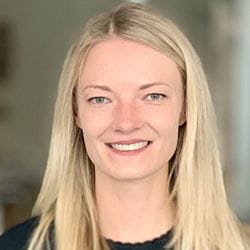
Dr. Ferguson is an Assistant Professor in UC San Diego's Department of Chemistry and Biochemistry and Department of Pharmaceutical Sciences, where she leads a research group focused on developing next-generation proximity-pharmacology technology platforms. Her laboratory integrates chemical synthesis, mass spectrometry, and cell biology to create therapeutic strategies for diseases where conventional approaches have failed.
Ferguson received her Ph.D. from the University of Cambridge, advised by Professors Chris Abell and Alessio Ciulli, and completed postdoctoral research with Professor Nathanael Gray at Dana-Farber Cancer Institute. Her innovative work in chemical biology has been recognized with major awards including the NIH Director's New Innovator Award, NSF CAREER, International Chemical Biology Society Young Chemical Biologist Award, Pew Biomedical Research Scholar Award, and early career honors from multiple foundations.
What does this award mean to you?
It's an honor to have our research program acknowledged by the medicinal chemistry community. I'm especially thankful to my talented team at UC San Diego whose creativity and dedication drive our research forward.
How is your research making a difference in the field?
Our work is expanding the chemical biology toolkit by developing technologies to enable systematic discovery and optimization of small molecules that act via chemically induced proximity. These platforms are helping the field understand how to rationally design molecular glues and degraders for challenging targets. In parallel, we apply induced proximity to develop prototype treatments for diseases with high unmet need.
What excites you most about the future of your research area?
I am most excited by the impact of rapid advances in protein complex modeling and the uncovering of new principles of endogenous protein homeostasis, that are allowing medicinal chemists to hijack new mechanisms of cellular regulation. We're still in the early stages of being able to exploit the cells sophisticated quality control machinery for therapeutic benefit, and I am excited about the next wave of technologies that expand beyond our current repertoire of E3-ligase recruitment.
ACS Chemical Biology Early Career Award
This award honors the contributions of an early-career individual who is doing outstanding work in chemical biology.
Winner: Dr. Christopher Parker, Scripps Research (USA)
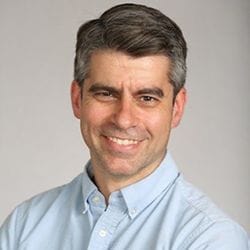
Dr. Parker is the Abide‑Vividion Chair of Chemistry & Chemical Biology and a Professor of Chemistry at Scripps Research. He earned his B.Sc. from Case Western Reserve University and his Ph.D. from Yale University, where he developed bifunctional molecules that recruit endogenous antibodies for targeted immune clearance. After postdoctoral work with Ben Cravatt at Scripps—integrating fragment‑based ligand discovery with chemical proteomics, he launched his independent lab in 2018 and became a tenured full Professor in 2024. His honors include a DoD CDRMP New Investigator Award, a Chan Zuckerberg Initiative Exploratory Cell Network Award, and he is a co‑founder of Belharra Therapeutics.
The Parker Lab focuses on chemistry‑driven approaches to understanding human biology in therapeutic contexts. Their work centers on chemical proteomics to map small‑molecule‑accessible proteins directly in cells and to translate these insights into functional chemical probes for targets central to human health and disease.
What does this award mean to you?
It is a tremendous honor to receive the ACS Chemical Biology Early Career Award, especially considering the many outstanding scientists who have received this recognition in the past and whose work has helped shape the field of chemical biology. It is humbling to be included among such an inspiring group of researchers.
At the same time, this award reflects the extraordinary students, postdoctoral associates, and staff members who have been part of my laboratory. It is a privilege to have a career where I get to work alongside such creative and driven scientists—tackling challenging problems together while constantly learning from one another. Chemical biology is an inherently collaborative field, and I have been fortunate to learn from generous mentors and colleagues throughout my career. This recognition reflects the collective effort and innovative spirit of the people I have had the opportunity to work with, and I am deeply honored to accept it on their behalf.
How is your research making a difference in the field?
The traditional paradigm for discovering chemical probes often relies on screening large, small-molecule libraries against purified proteins isolated from their native biological context. While this approach has been very successful for certain target classes, many proteins do not behave the same way outside the complex environment of the cell, and a large portion of the proteome remains poorly characterized and difficult to target. The field of chemical proteomics—pioneered by Ben Cravatt and Matt Bogyo—has begun to address this challenge by developing chemical probes to interrogate proteins directly in complex biological systems, often using covalent chemistry. These approaches have been widely adopted by the community and have already contributed to the development multiple clinical candidates.
Our laboratory is working to extend these concepts by developing technologies that enable systematic, proteome-wide discovery of noncovalent, ligandable sites directly in living cells. Rather than focusing on a single protein target or class, our goal is to map where small molecules can interact across the proteome, independent of protein function or the presence of specific reactive amino acids. By enabling comprehensive exploration of protein ligandability, we hope to reveal new biological insights and create starting points for therapeutic discovery. We are particularly excited to see elements of our platforms beginning to be translated and industrialized in drug discovery settings.
What excites you most about the future of your research area?
One of the most exciting aspects of chemical proteomics is that methods for measuring protein ligandability are becoming a central hub connecting multiple areas of biology and chemistry. These approaches are powerful for discovering new druggable sites on proteins and corresponding probes, identifying targets of biologically active small molecules, and enabling new modalities. However, we are increasingly realizing that ligandability can also report on many other features of protein biology. For instances, changes in ligandability can reflect protein conformational state, post-translational modifications, mutational status, protein–protein interactions, metabolite/cofactor interactions, or subcellular localization, and these properties are often highly context dependent. We are learning that such information can be leveraged to learn new biology of that protein, or to perhaps generate context-specific chemical probes.
Looking forward, we are also excited about the integration of large-scale chemical proteomic datasets with computational and predictive approaches. Combining experimental proteome-wide measurements with emerging computational tools could allow us to better understand, and maybe even robustly predict, where small molecules can engage proteins across the proteome, accelerating both basic biological discovery and therapeutic development.
Bioconjugate Chemistry Early Career Award
This award recognizes the contributions of one person who has made a major impact working at the interface of the synthetic and biological worlds.
Winner: Dr. Xinyuan Fan, Beijing Normal University (China)
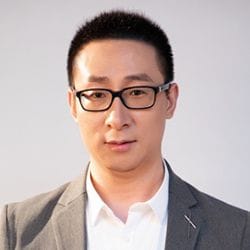
Dr. Fan is a Professor at Beijing Normal University and was formerly a research Associate Professor at Peking University. He developed bioorthogonal photocatalysis, a chemical strategy that utilizes catalysts for spatial targeting and external light for temporal resolution within living systems. Building upon this framework, his group established the CAT-X platform, a versatile system comprising 12 distinct technologies such as CAT-Prox, CAT-seq, and CAT-Lyso. The platform currently encompasses three primary research frontiers: subcellular multi-omics within organelles such as lysosomes that are inaccessible to traditional genetic methods; cross-scale analysis of molecular and cell-cell interactions; and the development of precision therapeutics through controllable drug activation. By providing these capabilities in hard-to-transfect cells and intact tissues, his work effectively overcomes the inherent limitations of conventional enzymatic approaches. This research provides a robust chemical toolkit to decipher the spatiotemporal molecular mechanisms of life and to advance the development of precision medicine.
What does this award mean to you?
This award is a vital recognition for an early career researcher. It provides scientific validation for the independent research direction I have established in bioorthogonal photocatalysis. Receiving this honor during my transition to a full professorship at Beijing Normal University is particularly meaningful; it offers the visibility and momentum necessary to launch my new laboratory's next phase of innovation. This recognition from the American Chemical Society reinforces my commitment to developing rigorous chemical tools that address fundamental questions in biology and medicine.
How is your research making a difference in the field?
Our research addresses a critical gap in chemical biology by providing a programmable "remote control" for chemical reactions within complex living systems. Through the CAT-X platform, we have achieved subcellular-scale resolution in proteomics and multi-omics without relying on genetic or enzymatic methods. By leveraging near-infrared light and catalytic efficiency, we can now map membrane receptor dynamics and profile cell-cell interactions in clinical samples and living animals. This framework transforms how researchers interrogate biomolecular functions with unprecedented spatiotemporal precision and biological compatibility.
What excites you most about the future of your research area?
I am most excited by the development of a universal toolkit for non-invasive, site-specific chemical intervention. The power of photochemical tools in biology lies in their dual-level controllability: the reaction space is governed by the precise localization of catalysts, while the reaction timing is governed by remote external light. While my current work focuses on light-triggered reactions, the next frontier involves harnessing a broader spectrum of exogenous stimuli, such as ultrasound and other physical signals, to achieve deep-tissue penetration for in vivo applications.
The challenge of ultrasound-controlled chemistry is significant, yet its potential for clinical application is immense. My ultimate goal is to leverage the unique advantages of chemical technology to decode complex molecular mechanisms within clinical and hard-to-transfect samples that are often inaccessible to conventional biological methods. By translating these bioorthogonal strategies into precision therapeutics, we aim to enable the site-specific activation of drugs or the modulation of biological pathways directly at the site of disease with surgical accuracy. Successfully bridging the gap between basic chemical innovation and clinical application will provide a powerful framework for both understanding and treating human diseases.
ACS Synthetic Biology Early Career Innovator Award
Sponsored by ACS Synthetic Biology and The American Institute of Chemical Engineers (AIChE), this award recognizes an outstanding early career investigator conducting research in any area of synthetic biology.
The winner will be awarded during the 2026 Synthetic Biology: Engineering, Evolution & Design (SEED) meeting. The meeting will take place June 15–18 in Denver, Colorado, convening leaders advancing the science and application of synthetic biology. The conference features deep technical content focused on designing, building, and optimizing biological systems—from genetic circuits and engineered cells to biomanufacturing and therapeutic development. Attend to gain actionable insights, discover emerging tools and platforms, and connect with collaborators who can help accelerate innovation from bench to real-world impact.
Winner: Dr. Xiaojing Gao, Stanford University (USA)
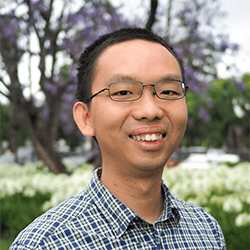
Dr. Xiaojing Gao is an Assistant Professor of Chemical Engineering from Stanford University. He received a B.S. in Biology from Peking University, a Ph.D. in Biology from Stanford University where he discovered his love for tinkering with biomolecules, and his postdoctoral training in Biology and Biological Engineering from Caltech where he finally found his way to synthetic biology. His lab strives to design biomolecular circuits as “smart medicine” that sense disease states, process the information, and respond accordingly. Some of his recent recognitions include BioInnovation Institute & Science Prize for Innovation and NIH’s New Innovator Award (DP2).
What does this award mean to you?
Other than the imposter syndrome it triggers, I'm overjoyed to be recognized by and be able to present to what I consider as my "home" community of synthetic biologists. I'm grateful that the committee resonates with the vision that my amazing group members are working tirelessly towards.
How is your research making a difference in the field?
We try to anticipate the biological constraints in the future human health application of our circuits, and preemptively circumvent or even embrace them. Examples of circumventing constraints include prioritizing designs that operate robustly in different cellular contexts and refactoring them to masquerade as human components to minimize immunogenic risks. As examples of embracing constraints, we leverage components of the secretory pathway to control intercellular communication and co-opt house-keeping RNA-editing enzymes into sensing mechanisms.
What excites you most about the future of your research area?
Speaking for myself, we live in an exciting moment where my lab members start to use ML/AI to lower the barrier on several previously impossible engineering tasks, as well as venture into and even innovate in in vivo models to put our circuits to test. As for my field, my wish list is for someone to build better computational oracles for molecular traits that we care deeply about, and to create accessible and sufficiently faithful ex vivo human-derived experimental models for circuit testing. However, my softest spot is always reserved for elegant molecular designs that make me wonder why I didn't think of them before.
Molecular Pharmaceutics Early Career Best Paper Award
Sponsored by Molecular Pharmaceutics, this award is presented to three early-career scientists, one each from three major geographic regions: the Americas, Europe/the Middle East/Africa, and Asia-Pacific.

Meet the Winners of the 2026 Molecular Pharmaceutics Early Career Best Paper Award
This award recognizes three early-career authors, highlighting their exceptional research published in the journal and the profound impact it has had on the field of molecular pharmaceutics. Learn about the 2026 winners and their research.
Stay informed about upcoming nomination opportunities
Bookmark the post below and check back throughout the year for the latest news and announcements about nominations for future Biological and Medicinal Chemistry lectureships and awards.

Biological and Medicinal Chemistry Lectureships and Awards
Explore nomination opportunities and browse the lectureship and award winner archives from ACS Publications' Biological and Medicinal Chemistry portfolios.